Category
Autos
Racing Homage
Taking a more sustainable approach, drivers turn to unique power sources.

Trend
Alternative Drive: With consumers growing more wary of their environmental impact, efforts to make everyday routines more sustainable are becoming more of a personal priority. Seeking to make necessities like driving more eco-friendly, individuals are turning to alternative energy sources like sewage and solar power to make routine commutes more environmentally adaptable. The use of unconventional power sources satiates both the need to be guilt-free, and to continue enjoying the conveniences of the modern age.
Trend themes
Development of eco-friendly vehicles using unconventional power sources like hydrogen, compressed air, and sewage as fuel.
Adoption of technology like solar panels for vehicle charging and biodegradable materials for luxury cars.
Growing personal preference for ecologically responsible actions and lifestyles, leading to eco-friendly cars becoming more of a personal priority.
Industry implications
Eco-friendly cars using alternative sources of energy and biodegradable materials.
Increased use of unconventional sources like sewage and solar power for vehicle powering.
Innovation opportunities for companies developing sustainable technologies for automobiles.
Trend signals
Trend score 4.5 out of 10, from popularity 71%, activity 57%, freshness 8%.
Evidence
The Mercedes Benz LX Concept by Irfendy Mohamad is Eco-Friendly
Disruptive innovation opportunity: Foster the development of eco-friendly luxury cars to meet growing consumer demand for sustainable transportation solutions.
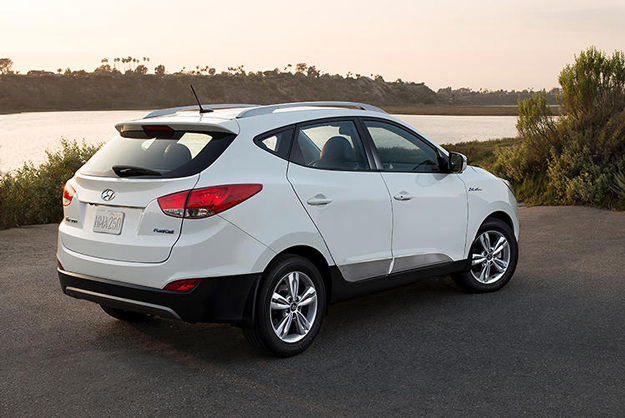
Californians Will Soon Be Able to Buy a Hyundai Tucson Powered by Waste
Disruptive innovation opportunity: Incorporating sustainable energy sources, such as sewage-powered engines, into the automotive industry to address environmental concerns and app…
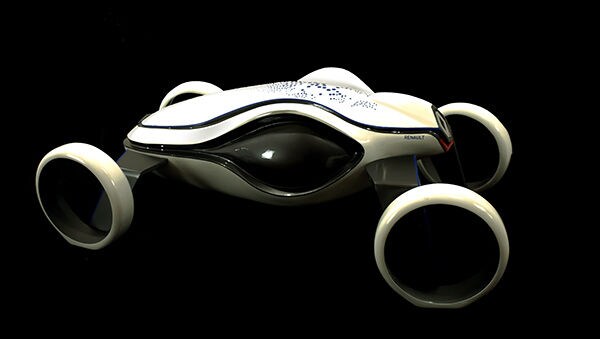
The Renault Moister was Aesthetically Inspired by the H2O Molecule
Hydrogen-powered vehicles disrupt the traditional fuel-powered automobile industry.
The Hyundai Tucson Runs on Sewage
Sewage-powered vehicles could revolutionize the automotive industry and drive the adoption of more sustainable transportation options.
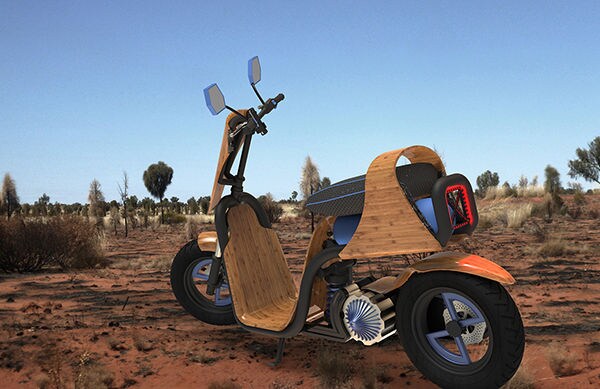
The EcoMoto Motorbike is Propelled by the Release of Pressurized Gases
Companies can develop air-powered vehicles to offer consumers a sustainable mode of transportation.
Ford's New Prototype is a Hybrid Vehicle Charged Through an Eco Roof Panel
Disruptive innovation opportunity: Collaborate with car manufacturers to develop solar-powered cars and advance sustainable transportation solutions.