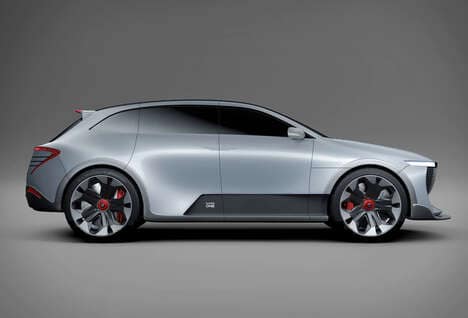
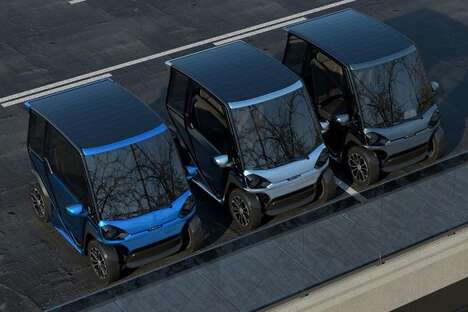
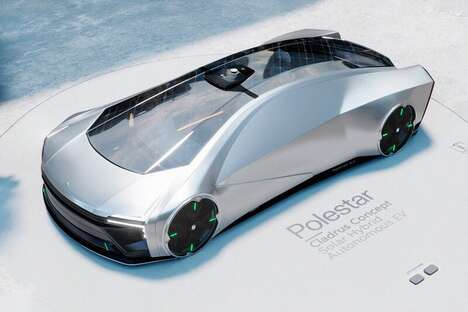
Ford recently unveiled its C-MAX Solar Energi car, with a first-of-its-kind solar roof. This is an advantage to consumers to have a hybrid car that doesn’t need to plug-in to recharge.
The C-MAX Energi car is powered through a Fresnel lens, which uses the sun to recharge its batteries. The Fresnel lens concentrates the sun’s power and tracks its movements throughout the day, which will take it about a day to fully charge.
Ford says that this car can be fueled for approximately 75% of a trip made by the average driver. The C-Max uses an estimated 108 miles per gallon for city driving. To put this into perspective, according to Ford, if every car had this solar panel-covered canopy, we could reduce emissions by about 1 billion metric tons.
Key Themes Behind This Trend
- Solar-powered Vehicles
- Disruptive innovation opportunity: Develop more efficient and powerful solar panels for vehicles to eliminate the need for plug-in charging.
- Sustainable Energy Solutions
- Disruptive innovation opportunity: Create new technologies and infrastructure that leverage renewable energy sources, such as solar power, to reduce dependence on fossil fuels.
- Hybrid Vehicle Advancements
- Disruptive innovation opportunity: Improve the performance and efficiency of hybrid vehicles by integrating solar charging capabilities and optimizing battery technology.
Where This Applies
- Automotive
- Disruptive innovation opportunity: Collaborate with car manufacturers to develop solar-powered cars and advance sustainable transportation solutions.
- Renewable Energy
- Disruptive innovation opportunity: Invest in research and development of solar energy technologies that can be integrated into various applications, including vehicle charging systems.
- Environmental Services
- Disruptive innovation opportunity: Provide consulting and implementation services to organizations looking to adopt sustainable energy solutions, such as solar-powered vehicles.