Category
Art & Design
Oven Aesthetics
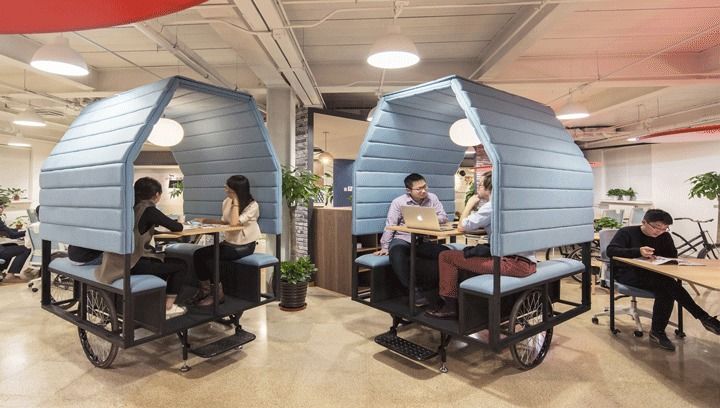
Shared spaces take a modular approach for multipurpose usage.
Trend
Adaptable Architecture: Modern lifestyle shifts mean a more adaptable approach in architectural design is needed in order to maximize the usage of a space. Shared spaces in particular are becoming increasingly relied upon to accommodate different work and leisure preferences so as to create a sense of inclusivity and acceptance.
Trend themes
The use of adaptable and modular spaces is becoming increasingly relied upon in order to accommodate different work and leisure preferences, maximizing the usage of a space.
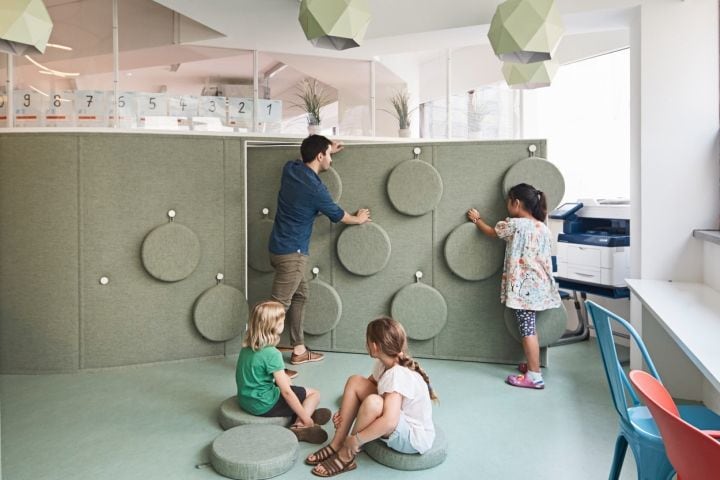
The adoption of rotational wall units in classrooms gives students an opportunity to engage in play and interact with their peers while indoors.
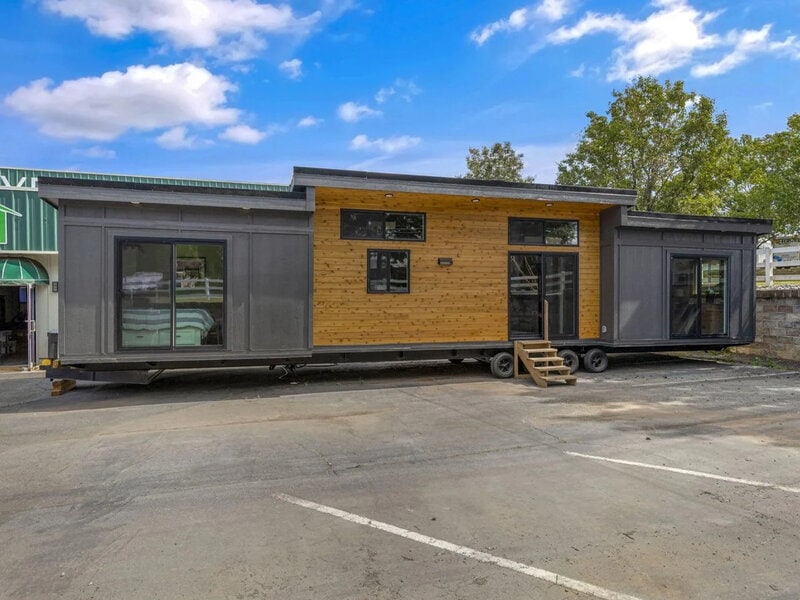
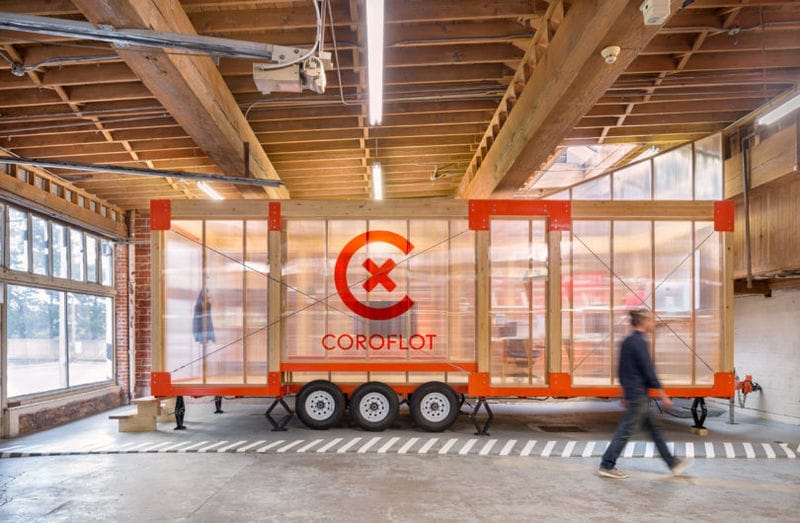
There is an increase in the adoption of mobile and flexible offices such as trailers and mobile work units that make use of adaptable furniture systems to fit specific needs.
Industry implications
Adaptable and modular design is becoming increasingly important in architectural and interior design industries as people require spaces that can accommodate different work and leisure preferences.
Flexible and transformative classroom design encourages active learning in students, allowing them to engage in play and interact with their peers while indoors.
Mobile and flexible offices are increasing in popularity, driving the demand for adaptable furniture and design solutions that cater to the specific needs of companies.
Workshop question
Trend signals
Trend score 5.6 out of 10, from popularity 72%, activity 88%, freshness 8%.
Evidence
Coroflot's Mobile Office Space is Built on a Trailer with Translucent Walls
The architecture and construction industry can look into providing modular mobile offices and designing transparent walls and modular furniture systems for future projects.
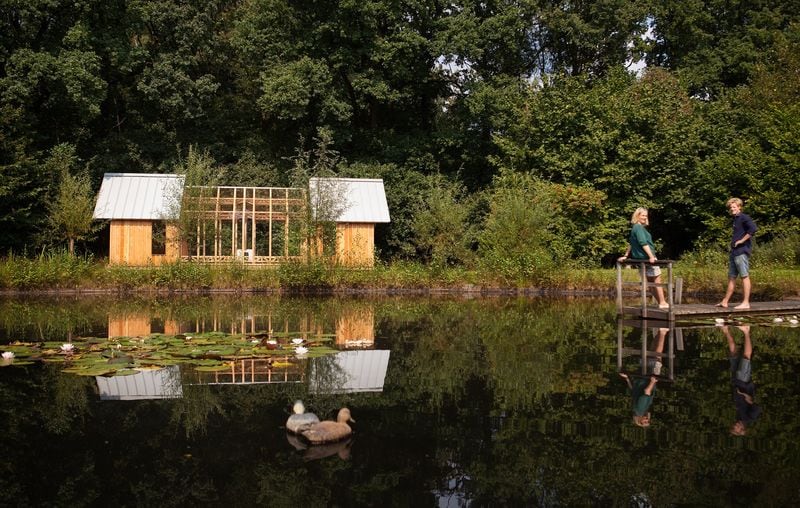
Casper Schols' 'Garden House' Has Sliding Walls that Offer Many Layouts
Architects and designers can explore innovative approaches to create modular and multi-use spaces using sliding wall systems.
DSSI Elementary School's Renovation Encourages Active Learning
Revolutionizing traditional classroom design and furniture to create innovative learning environments.
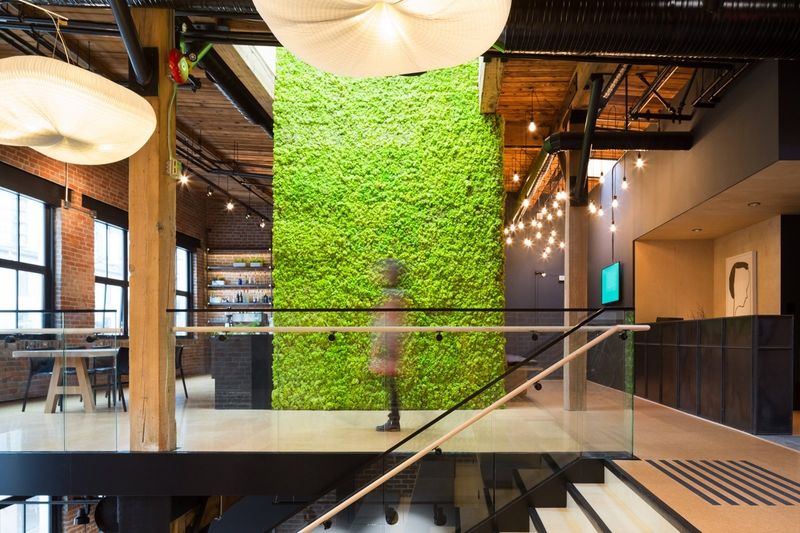
This Software Company's Office Features a Contemporary Aesthetic
Developers can explore building and designing flexible office spaces and incorporating industrial design elements to attract business and draw in tenants.
People's Industrial Design Created the Office for the Brand Sliced House
Disruptive innovation opportunity: Introduce innovative interior design solutions that cater to the changing needs and preferences of modern workplaces.