Category
Tech
Embedded Intelligence
The Internet of Things marks a shift towards a necessity for connectivity.
Trend
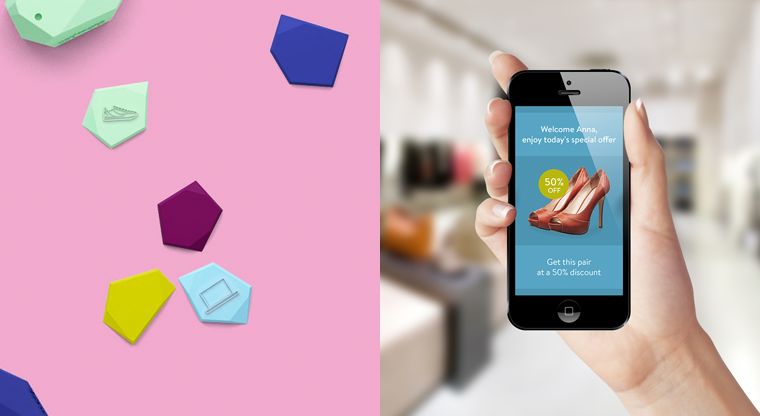
Commonplace Connectivity: Consumers prioritize convenience and automation in modern product design, which has accelerated the Internet of Things to new, unexpected levels. As connectivity transitions from ubiquitous to necessary for users, brands are integrating sensors and smart features to aid the shift towards completely connected lifestyles.
Trend themes
Incorporating NFC technology throughout the production and distribution of products can give companies greater control and more robust data on how their goods move and are being used.
As people demand simpler lifestyles, integrating sensors and smart features into existing products provides a unique opportunity for companies to accommodate their needs.
Wearables equipped with sensors are changing the way people interact with everyday objects and can be used to identify lost items, sense the presence of family members and improve the home automation experience.
Industry implications
Technology companies can take advantage of NFC and Accelerator sensors to improve usability of home automation, beacons and wearable devices.
Fast-moving consumer goods industry can incorporate NFC tracking technology throughout production and distribution to give companies direct access to their target audiences with promotional campaigns and more targeted advertising.
Hotels can use wearables and integrated automation sensors to improve overall experience and create unique differentiation to attract guest's attention.
Trend signals
Trend score 4.9 out of 10, from popularity 73%, activity 66%, freshness 8%.
Evidence
The Versatile Estimote Stickers Connect Everyday Objects to Smartphones
Wearable adhesive technology can disrupt the healthcare industry by enabling remote patient monitoring, accurate tracking of medication adherence, and efficient asset management.
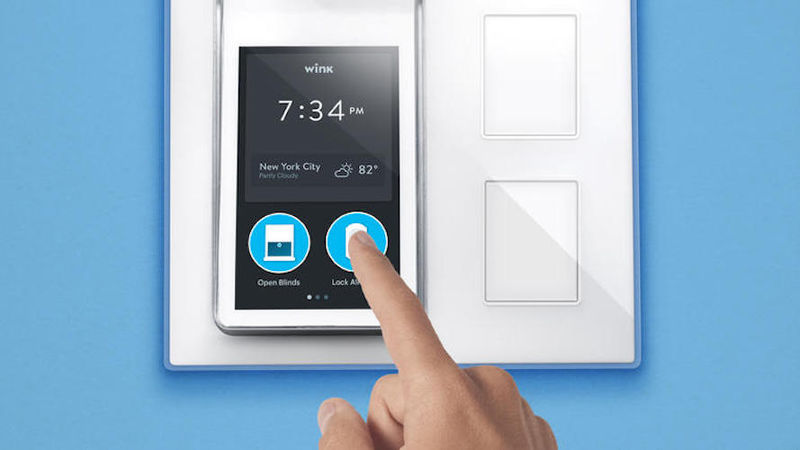
The Wink Relay Brings All Your Devices to One Interface for Ease
The Wink Relay presents disruptive innovation opportunities in the smart home technology industry by consolidating and streamlining device control.
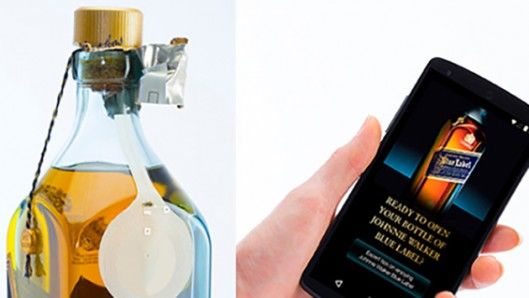
The Johnnie Walker Blue Label Smart Whiskey Bottle Talks To Your Smartphone
Opportunity to integrate intelligent sensors in bottles to prevent theft and track movement for targeted promotions and advertising.
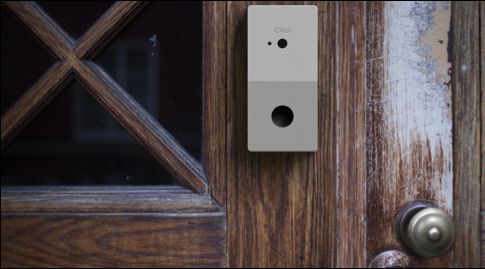
The Chui Offers Revolutionary Secure Access to One's Home
Chui's intelligent doorbell and facial recognition technology are disrupting the smart home technology industry, making our homes safer and more connected than ever.
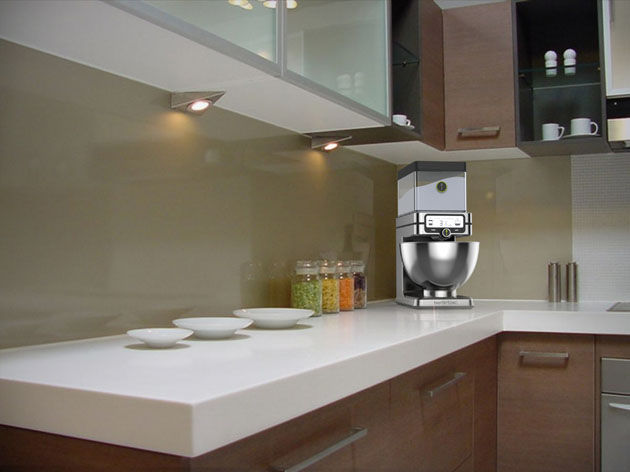
The PantryChic Ingredient Dispenser is Perfect For Lazy Bakers
Home appliance manufacturers can incorporate smart technology, like the PantryChic, into their appliances to create a more complete ecosystem of interconnected home devices.

Emberlight Allows You to Convert Regular Lightbulbs to Smart Bulbs
The smart home technology industry can leverage smart lightbulb adapters like Emberlight to offer cost-effective and convenient lighting solutions to consumers.
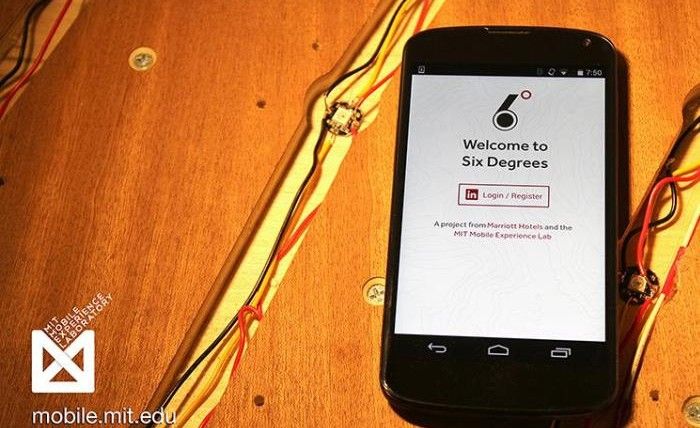
MIT's Future Hotel Experience Makes the Marriott More Interactive
The hospitality industry can utilize interactive accommodation apps to enhance guest experiences and foster connections between guests.