
Category
World
Layered Getaways
Instead of actually taking a trip, consumers turn to virtual reality for escape.

Trend
Simulated Travel: Consumers are busier than ever, which has left less time than ever for travel. The introduction of virtual reality travel experiences is providing consumers with the ability to get away without ever actually leaving. This shift supports the frugal consumer who's looking for cost-effective means of entertainment.
Trend themes
Consumers are turning to virtual reality to escape reality, providing a cost-effective means of entertainment.
Virtual tours give people an experiential travel opportunity and get them excited to visit.
Immersive technology lets users hear, feel and smell the changes in the virtual environment before them.
Industry implications
Virtual reality technology provides a new means of promoting cost-effective travel experiences to potential tourists.
Hotels can use immersive technology to give guests a preview of their facilities, as well as nearby activities and attractions without leaving the room.
Virtual reality technology is disrupting the traditional modes of entertainment by providing consumers with a cost-effective escape from reality.
Trend signals
Trend score 3.5 out of 10, from popularity 66%, activity 30%, freshness 8%.
Evidence
An Online Experiential Travel Tool Gives Four Seasons Guests a Preview
Hotels and resorts can enhance their guest experience by offering virtual tours and previews of their facilities using VR technology.
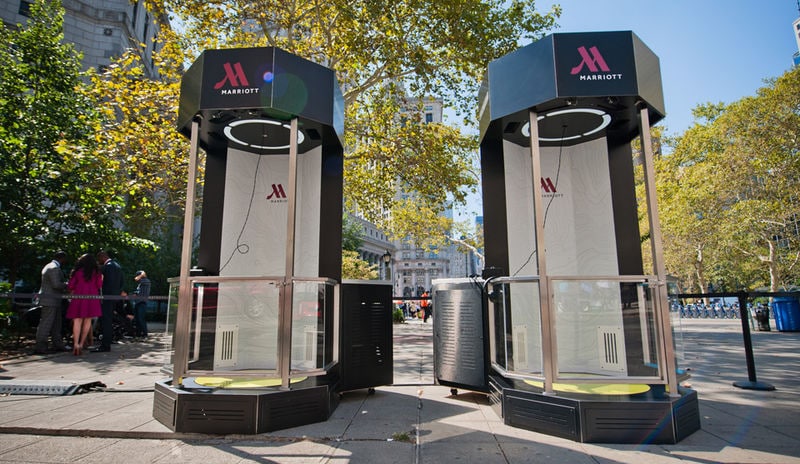
Marriott Hotel Shares a 4D Virtual Reality Travel Experience with Guests
Hotels can use virtual reality booths as a marketing tool to promote their brand and attract customers.
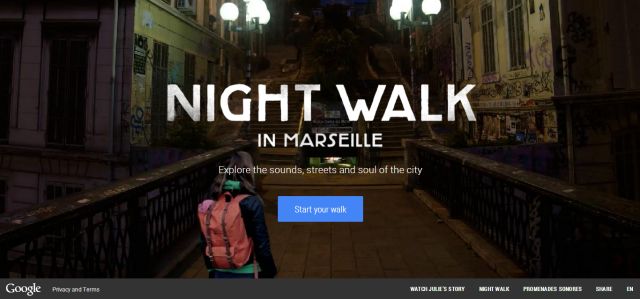
Google Night Walk Will Let Users Take a Virtual Tour of Marseilles
The tourism industry could benefit from offering virtual tours to consumers, especially for those who may not be able to travel due to cost or other limitations.
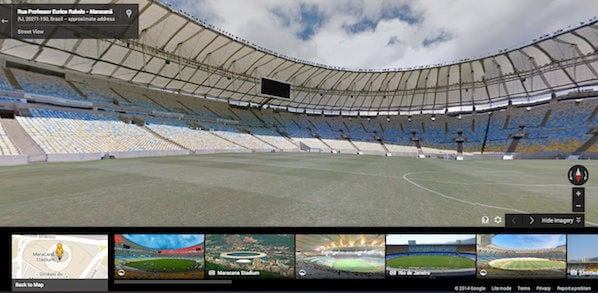
Google Maps is Allowing Fans to Step Foot into the World Cup Stadiums
The sports tourism industry has an opportunity to innovate by offering virtual experiences that can generate new revenue streams and extend the reach of major sporting events, att…