



Category
Lifestyle
Assisted Choices
Consumers are experimenting with inventive new soup flavors.



Trend
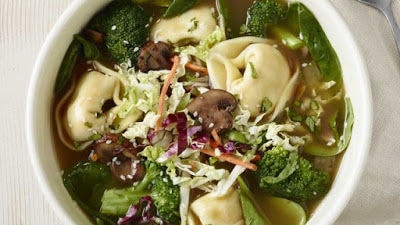
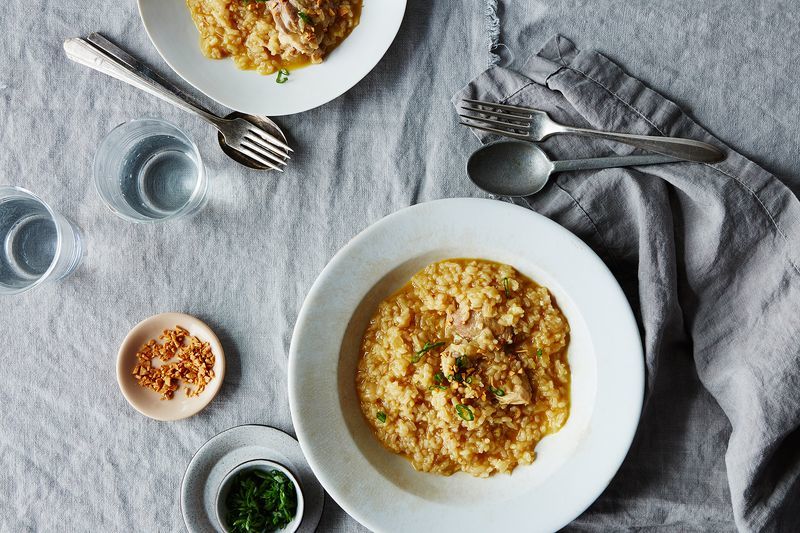
Experimental Hearty: Looking for ways to invigorate a classic meal, consumers are turning to creative soup recipes. Whether it's combining unique flavors or updating a classic taste in a new form, this shift reveals a consumer desire for a sense of novelty even when it comes to familiar foods. Beyond health-consciousness and affordability, the growing interest in soup is based on ease of experimentation with flavor.
Trend themes
Consumers are experimenting with inventive new soup flavors, revealing a consumer desire for a sense of novelty even when it comes to familiar foods.
Restaurants are offering healthier, heartier soup bowls as alternatives to traditional fast food options.
Soup recipes are being combined and customized to cater to global consumers looking for a flavor experience.
Industry implications
The food and beverage industry can experiment with new soup flavors and global fusion concepts.
Quick-service and casual dining restaurants can offer healthier soup options to attract health-conscious consumers.
Cooking tools and appliances manufacturers can offer consumers appliances that make preparing soup easier and more convenient.
Trend signals
Trend score 3.3 out of 10, from popularity 48%, activity 43%, freshness 8%.
Evidence
This Restaurant Has Added a New Addition to Its Line of Broth Bowls
Restaurants can capitalize on the trend of expanding broth bowls by offering their own versions of healthy and flavorful soups.
This Tasty Appetizer From The Garlic Pad Makes Soup More Epic Than Ever
Restaurants, food trucks, and catering companies can explore incorporating pizza soup recipes into their menus and offerings.
Platings and Pairings' Lasagna Soup Transforms a Classic Noodle Dish
The convenience food industry can capitalize on the trend of lasagna noodle soups by introducing ready-to-cook soup kits with lasagna-inspired ingredients.
This Recipe for Chicken Porridge Serves as a Hearty Alternative to Soup
Opportunity for food and beverage companies to develop and market new, hearty alternatives to traditional soups.
This Cream of Pumpkin and Apple Soup Recipe Will Be a Favorite for Fall
Innovate new recipes and dishes for the autumn season






