



Category
Lifestyle
Assisted Choices
Urban gardeners turn to maintenance-free planters for convenience.
Trend
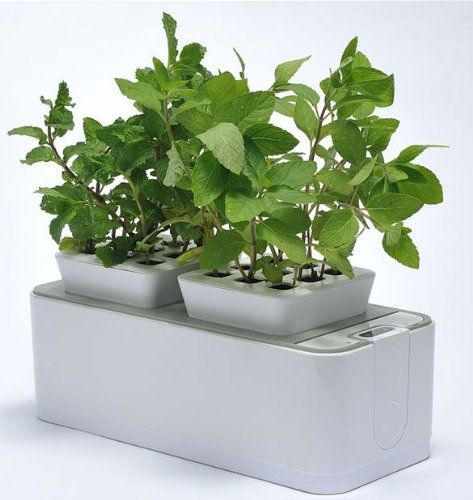
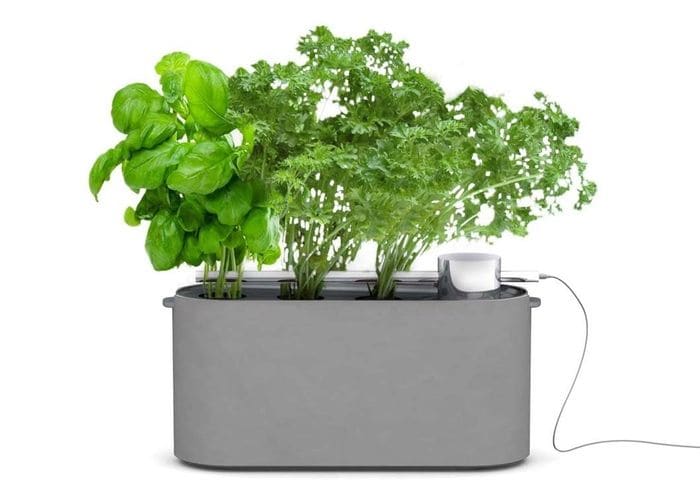
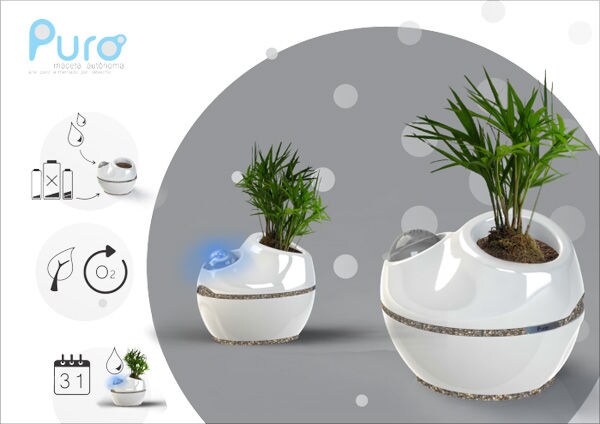
Self-Contained Garden: Seeking to attract the urban consumer who's tight on time, brands in the gardening industry, are integrating elements of technology to make the planting process more streamlined. Requiring little to no effort, these gardening products feature unique self-watering and self-maintaining features, allowing busy, on-the-go consumers to enjoy the tranquility of plants without the hassle of constant monitoring.
Trend themes
Automation and technology are being incorporated into the gardening industry creating products with unique self-watering and self-maintaining features.
Urban farmers are looking for products that allow them to grow fresh herbs, vegetables, and flowers indoors in small apartment spaces.
Gardeners are increasingly looking for zero-maintenance systems and self-contained kits that require little to no effort to grow fresh plants.
Industry implications
The incorporation of technology in the gardening industry plays well into smart home technology, enabling customers to have full control of their gardens through smartphone apps and voice assistants.
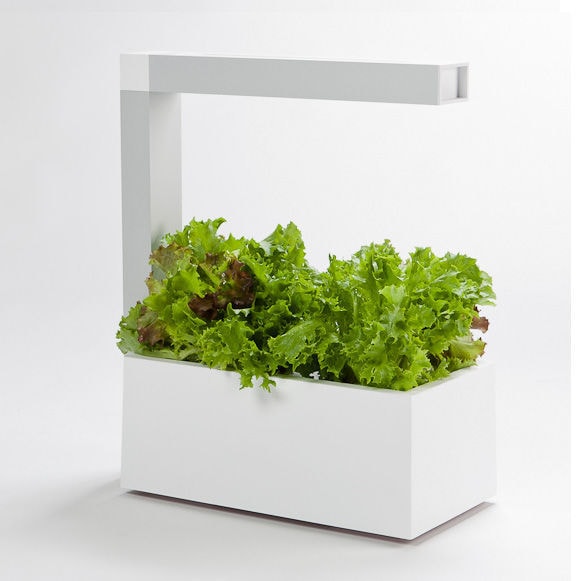
Indoor gardening accessories such as Herbie serve as decoration while fulfilling the consumer's need for fresh indoor plants.
Effortless gardening kits that are self-contained and require little maintenance have the potential to provide a sustainable way to grow fresh produce in small spaces, perfect for city-dwellers.
Workshop question
Trend signals
Trend score 5.1 out of 10, from popularity 69%, activity 77%, freshness 8%.
Evidence
This Versatile Planter is Combined With a Hydroponics System
The integration of indoor gardening products like ZeroSoil into home decor can provide new revenue streams for home decor companies.
GardenIn's Zero-Maintenance System Comes Out of the Box Pre-Assembled
Companies in the home gardening industry can capitalize on the trend of providing self-sustaining indoor gardening kits that appeal to those with limited space and time
This Self-Watering Planter is Perfect for Forgetful Users
The home and garden industry can benefit from the growth of self-watering planters and smart gardening solutions to cater to consumers' changing needs.
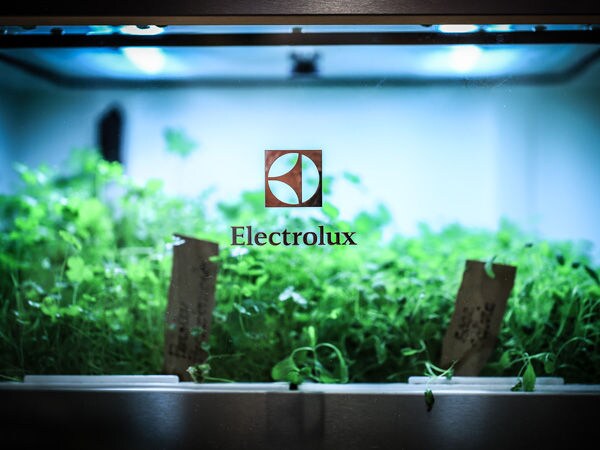
The Electrolux Home Garden Gives Users Access to Yearly Herbs
Developing indoor herb gardens and refrigeration units as an innovative feature for kitchen appliances.
Herbie is an Indoor Garden Accessory for the Urban Farmer
Herbie caters to consumers with limited space, suggesting a market for smaller-scale indoor gardening products in urban areas with the need for self-sufficient and sustainable lif…
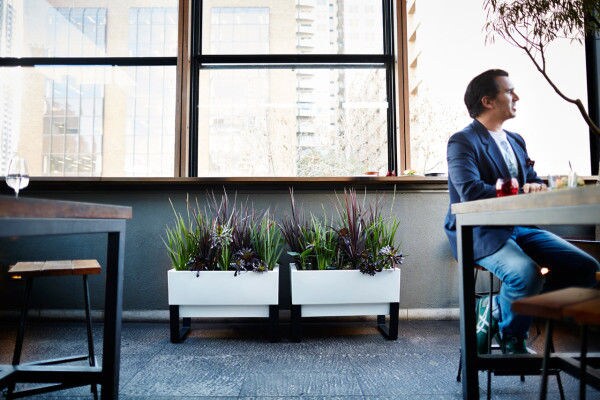
The Glowpear is a Self-Watering Planter That Will Brighten Any Space
The gardening industry can benefit from creating more high-tech products, like self-watering planters and modular planters, to make gardening easier and more accessible.
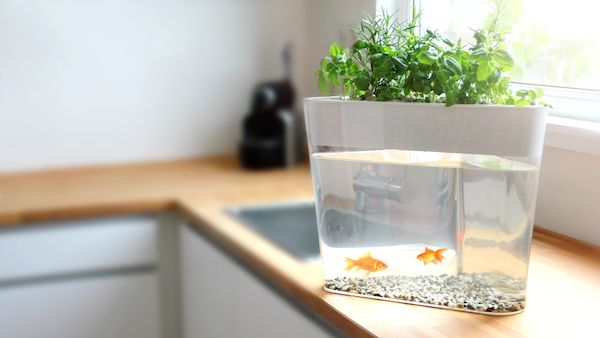
The Ecofarm Mini Herb Garden Self-Sustains Using a Built-In Fish Tank
Companies that create products that serve both the function of home decor and a practical use case such as herb gardens are disrupting traditional decor brands.






