Category
Lifestyle
Pastry Echoes
Everyday drinks are becoming low-effort tools for mood and energy.
What's Happening
Ritual Refreshment: Beverage brands are adding adaptogens, botanicals and other functional ingredients to familiar formats like sparkling drinks, powders and tea-based beverages. These products are positioned as convenient ways to hydrate while supporting mood, focus, calm or stamina within existing routines.
Why It's Happening
Overwhelmed by packed schedules and the "always-on" culture of the digital age, many are looking for accessible ways to support their mind and body on the go without the friction of implementing a full health regimen or lifestyle change. Thus, consumer desires for feeling better during the day are paired with a strong priority for manageable ways to support mental and psychological stamina. In this context, individuals are exhibiting preferences for familiar, low-effort usefulness over maximal functionality.
Evidence
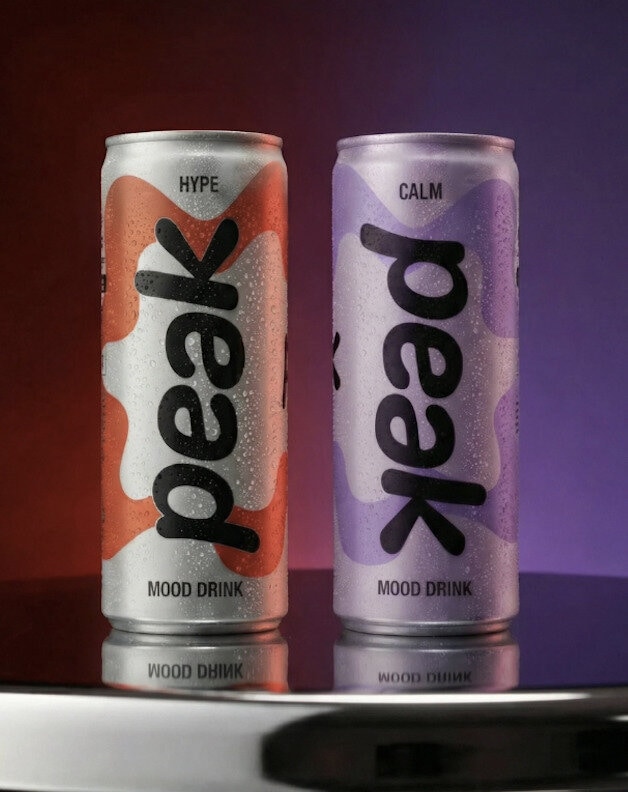
PEAK Moods Introduces Functional Drinks Designed Around Different Moods
The category is widening as mood-positioned drinks introduce nuanced benefits that compete with traditional energy, hydration and relaxation products.
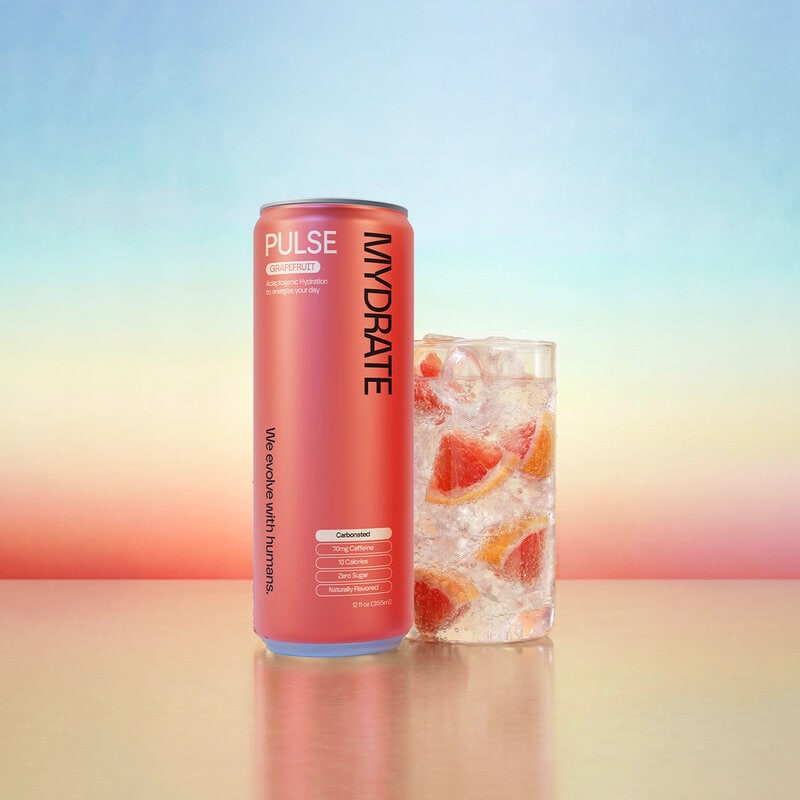
MYDRATE PULSE is a Drink with Electrolytes, Adaptogens and Caffeine
Brands in this space are redefining refreshment through hybrid products that combine hydration, energy, and cognitive-support ingredients in convenient ready-to-drink formats.
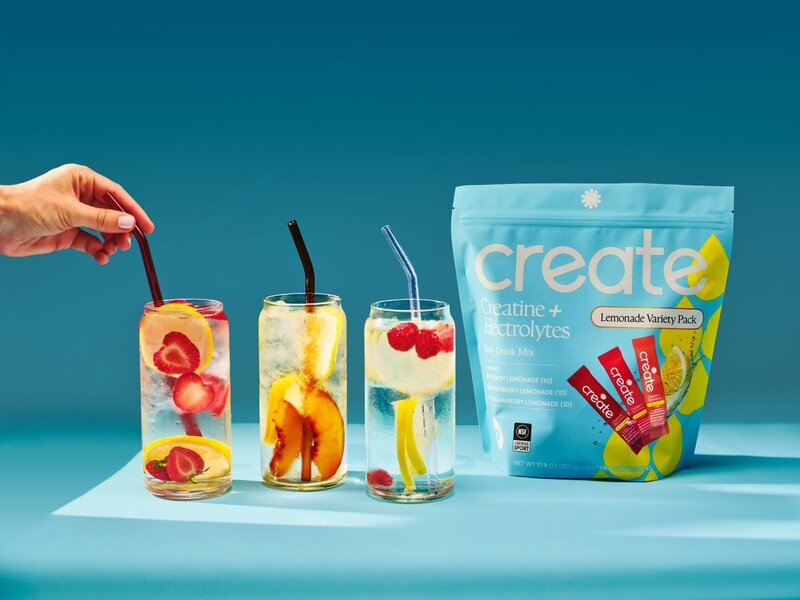
The Creatine + Electrolytes Line Expands with a Lemonade Collection
Hybrid drink mixes create white space for brands to merge sports nutrition benefits with mainstream refreshment occasions.
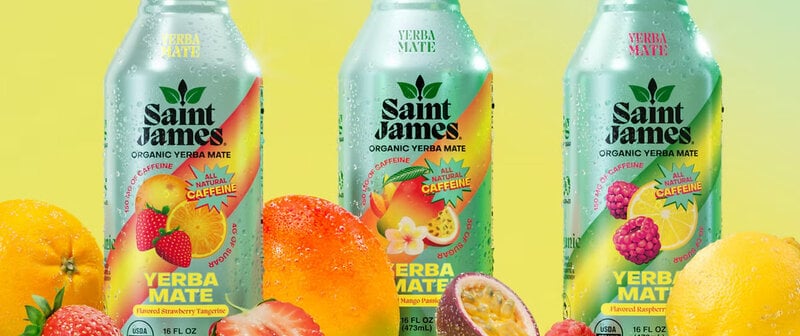
Saint James Yerba Mate Expands the Brand's Organic Beverage Range
The rise of naturally caffeinated drinks signals white space for alternatives to conventional energy drinks that emphasize organic sourcing, cleaner labels and moderate calorie co…
Workshop question
How could your brand turn an everyday habit into a simple ritual that supports how people want to feel?
Trajectory
Latest reading 7.4 for the week of Oct 26, 2026. Holding over the final 3 scored weeks (−0.1), −1.2 from its peak of 8.6 in the week of Aug 31, 2026. Momentum 3.8/10, persistence 5.0/10, backed by 4 research findings.
36 Trend Hunter articles were grouped into the wider weekly cluster this trend was identified in, over 6 weeks.
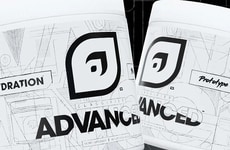 Community-Voted Supplement FlavorsADVANCEDgg Lets Buyers Vote on a Mystery Hydration Flavor
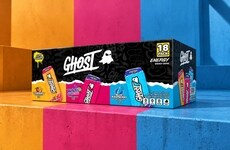 Warehouse Energy MultipacksGhost Packs Welch’s Grape-Cran into Costco Cases
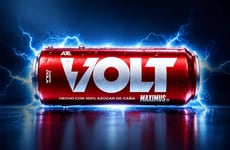 Supersized Cola Energy DrinksVolt Maximus Cola Stretches Its Can to 20 oz for Mexico
 Fizz-Free Energy DrinksCelsius Takes On Prime and Gatorade with Energy+ Hydration
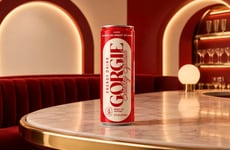 Pomegranate Energy DrinksGorgie's Sparkling Shirley Splash Adds a Mixed-Drink Twist
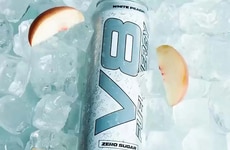 Peach-Flavored Energy DrinksVast's White Peach V8 Fuel Adds a Smoother Sip
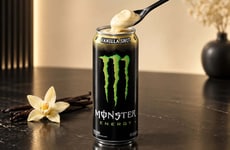 Creamy Energy DrinksMonster's Vanilla Shot Comes in Regular and Zero-Sugar
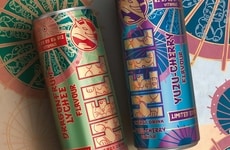 Illustrated Energy DrinksHell's Oriental Editions Pair Eastern-Inspired Fruit Flavors
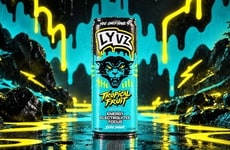 Zero-Sugar Energy DrinksLYVZ Tropical Fruit Reaches Fans on December 1
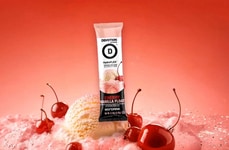 Carnival-Inspired Hydration MixesDevotion's HydroFLEX Makes Water Feel Like Dessert
 Zero-Sugar Energy DrinksLucozade Adds Sherbet Twist in Multiple Packs
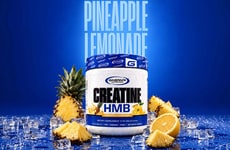 Tropical Creatine PowdersGaspari Nutrition's Creatine HMB Adds Pineapple Lemonade Flavor
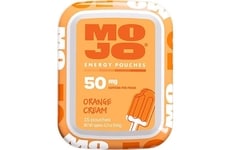 Portable Energy PouchesMojo's Orange Cream Pouches Deliver Nostalgic Caffeine
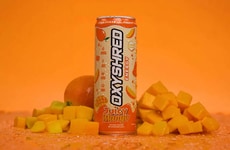 Retail-Exclusive Energy DrinksEHP Labs Adds A Tropical Mango Flavour To Its Zero-Calorie Range
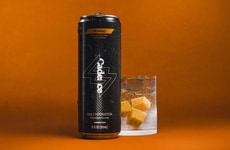 Mango-Flavored Sports DrinksCadence Brings Mango Flavour To Its Daily Hydration Range
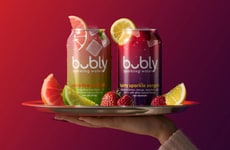 Cocktail-Inspired Sparkling Watersbubly Reimagines Sangria and Palomas Without Alcohol
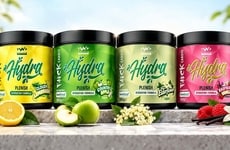 Electrolyte Hydration Powder FlavorsTWP Nutrition Adds Four New Hydra-Plenish Flavors
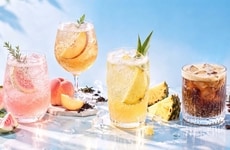 Creatine Cafe DrinksSpark Protein Turns Gravitine into Sparkling Sips and Coffee
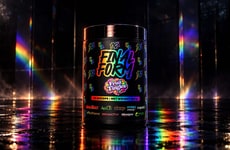 Candy Pre-Workout PowdersTXA and Transparent Supplements Brings Back Final Form in Fruit Tingles
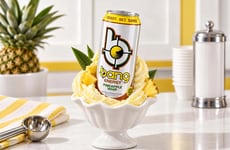 Dessert-Style Energy Drink FlavorsBang Energy Adds a Creamy Pineapple Whip Flavor
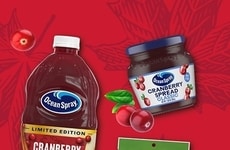 Seasonal Cranberry CollectionsOcean Spray Introduces Cider, Craisins and Cranberry Spread
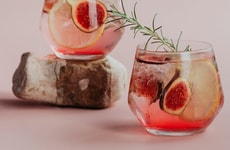 Prebiotic Soda Flavor SystemsOSF Flavors Builds a Cleaner-Taste Functional Soda Pack
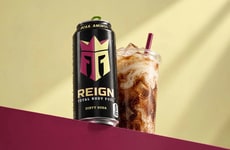 Creamy Caffeinated Beverage BlendsReign Brings Dirty Soda Flavours To Energy Drinks
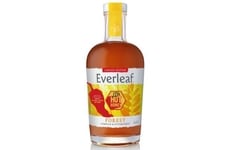 Spicy Honey Apéritif ExpressionsEverleaf Blends Smoky Chipotle, Hot Honey And Botanical Flavours
 Low Sugar Vinegar TonicsSparkling Tonics Bring Apple Cider Vinegar To The Soda Aisle
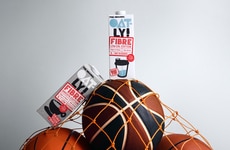 Digestive-Support Oat DrinksOatly Adds Fibre Barista and Low-Cal Editions
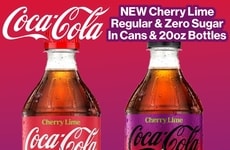 Citrus-Laced Cola FlavorsCoke Adds A New Fruit-Infused Twist To Its Classic Cola
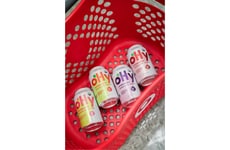 Hydrogen-Infused Sparkling WatersoHy Brings Molecular Hydrogen Beverages to 800 Target Stores
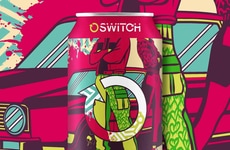 Dual-Flavored Fruit Energy DrinksSwitch Energy Introduced Its Watermelon Strawberry Lineup
 Mainstream Adaptogen BeveragesMelting Forest Expands Mushroom Drinks Across Major Retailers
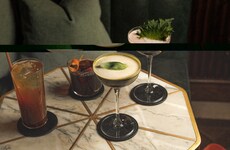 Adaptogenic Mushroom CocktailsFunctional Feels is a Mushroom-Infused Cocktail Menu in London
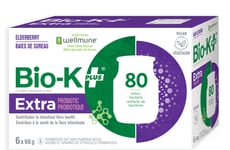 Functional Probiotic BeveragesThe Bio-K+ Elderberry Probiotic Drink Fuses Gut and Immune Support
Research
Drinkable Functionality
Beverages fit seamlessly into snacking and daily routines, making them an ideal canvas for health experimentation.
Consumers who may not commit to a full diet overhaul are willing to try a ‘better’ drink on the way to work or between meetings. By infusing everyday beverages with layered benefits, brands tap into a desire for low-effort self-improvement—letting people sip their way to feeling more focused, calm, or balanced without changing core meals.
Benefit Beverages
Drinks are becoming the easiest entry point for health optimization because they ask the least behavioral change from consumers.
Instead of rebuilding meals or following strict plans, people can add energy, calm, recovery, or hydration in a familiar grab-and-go format that fits existing routines.
Cognitive Sips
Consumers no longer want vague wellness beverages; they want drinks that match the moment and the mental state they are trying to create.
Ingredient literacy is rising, so brands are being rewarded for specific functional narratives that feel purposeful and timely rather than generically healthy.
Recognizable Refreshment
Consumers increasingly want alcohol to feel like an easy social beverage first and a hard-drinking statement second.
Refreshment cues lower the psychological intensity of alcohol and help it fit more occasions where people want sociability without heaviness.