



Category
Lifestyle
Assisted Choices
Offering a fun, eco alternative, brands focus on use after consumption.
Trend
Reusable Packaging: A product design that is too disposable is being panned by consumers for the harsh effect it can have on the environment, which has resulted in packaging designed for a second use or purpose. This shift appeals to the eco-friendly consumer, but also those interested in novel product design and function.
Trend themes
Brands are creating reusable packaging in response to consumer demand for more eco-friendly products.
Packaging designed for a second use or purpose appeals to consumers interested in unique and creative product design.
Reusable take-out container services are being developed to replace single-use containers and create a waste-free dining experience.
Industry implications
The shift towards sustainable and reusable packaging presents an opportunity for companies to innovate and design new products.
Restaurants and food companies can adopt reusable packaging and take-out container services to reduce waste and appeal to eco-conscious consumers.
Fashion brands can create packaging that serves a second purpose, such as the Cross Shoe packaging which doubles as a lunchbox, to create a unique and sustainable brand identity.
Trend signals
Trend score 4.4 out of 10, from popularity 62%, activity 63%, freshness 8%.
Evidence
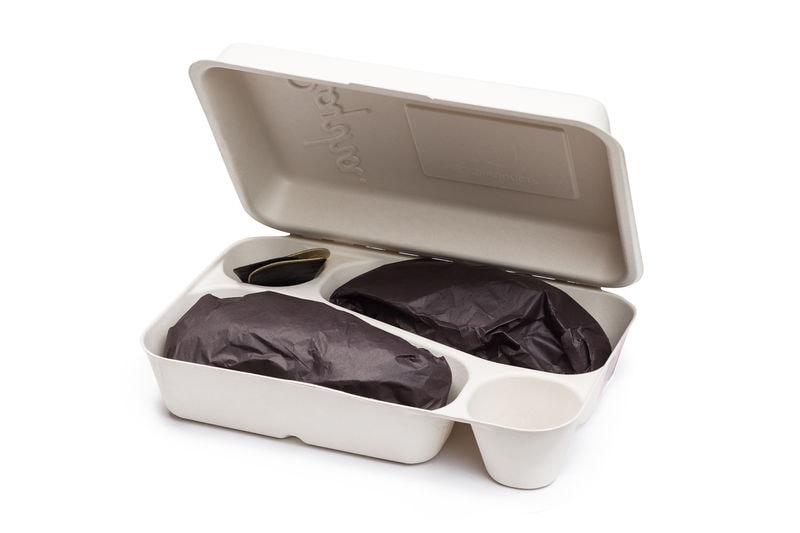
The Cross Shoe Packaging is Designed to Hold Beer and Fries
The Cross Shoe's innovative reusable packaging presents an opportunity for the footwear industry to adopt eco-friendly packaging solutions.
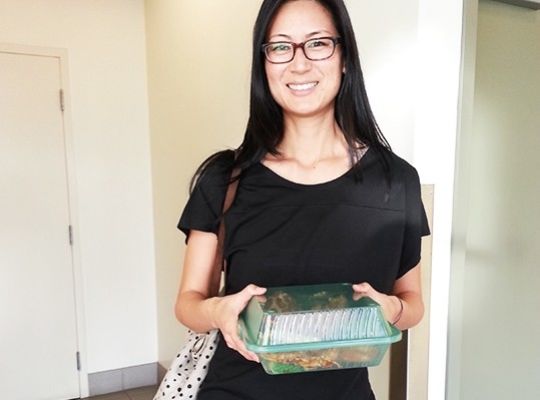
The 'GO Box' is Designed to Replace Single-Use Restaurant Containers
The food service industry has an opportunity to reduce its environmental impact and differentiate itself by adopting reusable take-out container systems.
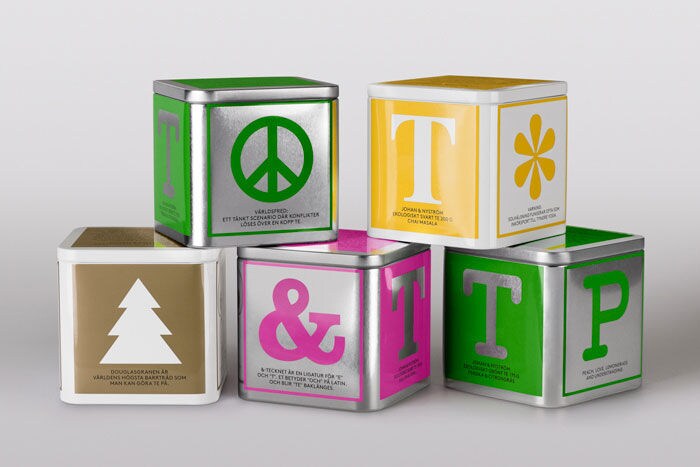
Johan & Nystrom Tea Packaging Embodies the Basics in Form and Principle
Opportunity for disruptive innovation in the packaging industry through the development of eco-friendly packaging solutions that combine aesthetics with sustainability.
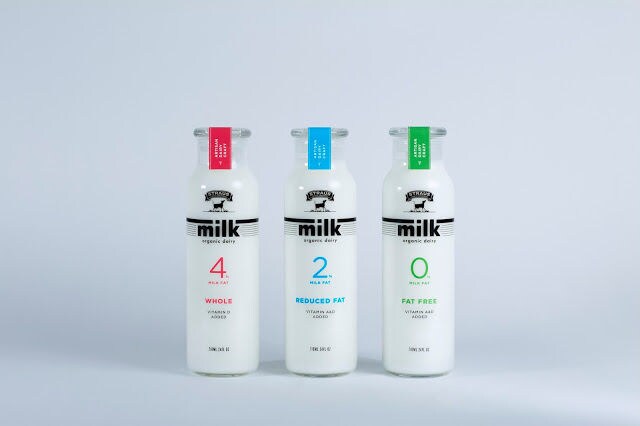
The Straus Family Creamery Sells Dairy Products in Sustainable Containers
Food and beverage companies can adopt reusable packaging to reduce waste and enhance their eco-friendly image.






