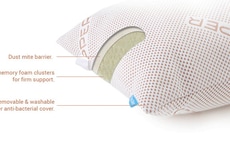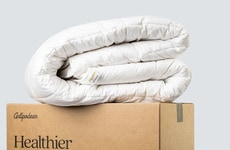



Home textile brands increasingly design products with regenerative cotton
Trend - Brands are launching sheets, pillowcases, and duvet covers made from cotton that’s grown using regenerative agricultural practices. These methods aim to restore and enhance soil health, increase biodiversity, and capture carbon, helping mitigate climate change in the home textiles industry.
Insight - Eco-conscious consumers increasingly seek products that not only reflect their values but also back up sustainability claims with credible, science-based evidence. In response, textile brands are embracing products that transparently validates their environmental commitments. By adopting this integrity-first approach, businesses can connect with purpose-driven shoppers who want their purchases to support personal well-being, uphold ethical standards, and drive meaningful impact for the planet.
Insight - Eco-conscious consumers increasingly seek products that not only reflect their values but also back up sustainability claims with credible, science-based evidence. In response, textile brands are embracing products that transparently validates their environmental commitments. By adopting this integrity-first approach, businesses can connect with purpose-driven shoppers who want their purchases to support personal well-being, uphold ethical standards, and drive meaningful impact for the planet.
Workshop Question - How can your brand back up its sustainability claims?
Trend Themes
-
Regenerative Agricultural Practices — The integration of regenerative cotton into home textiles signals a shift toward farming methods that prioritize ecosystem health and carbon capture.
-
Eco-conscious Consumerism — Consumers increasingly demand transparency and scientific integrity in sustainability claims, influencing brands to provide verifiable eco-friendly solutions.
-
Transparency in Sustainability — A focus on transparent, science-backed environmental commitments helps brands build trust and align with consumer values.
Industry Implications
-
Home Textiles — The adoption of regenerative cotton in home textiles presents an opportunity for eco-friendly innovations that enhance product appeal through sustainability.
-
Agricultural Innovations — Regenerative agricultural practices are transforming traditional farming methods, offering novel ways to improve crop resilience and environmental impact.
-
Sustainable Fashion — The shift toward credible, transparent sustainability in materials can drive significant evolution within the fashion industry, emphasizing ethical and environmental responsibility.