



Category
Lifestyle
Assisted Choices
3D-printing technology has entered the plant-based meat alternative industry.
Trend
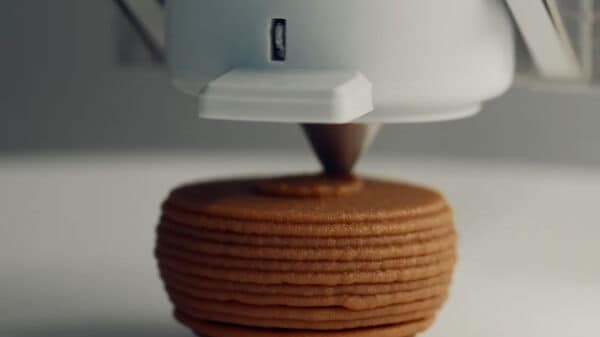
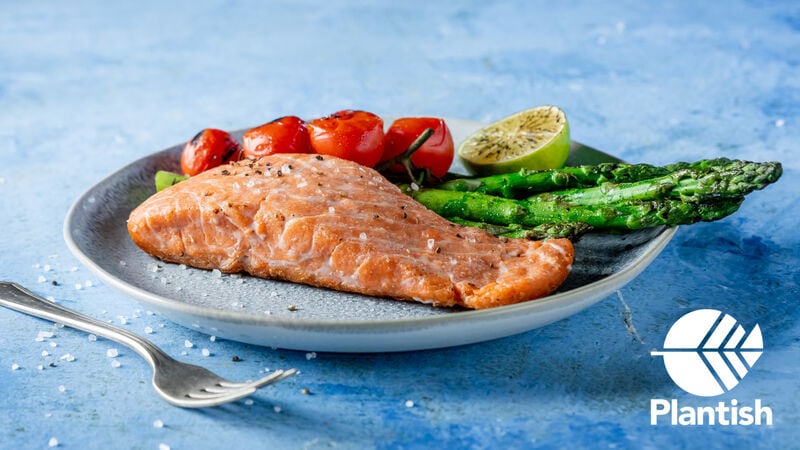
Printed Plant-Based: Plant-based meat alternatives are becoming increasingly similar to real meat in texture and flavor due to 3D-printing technology. The technology allows plant-based protein products to mimic meat in its various forms, giving consumers more variety in this food category.
Insight
The alternative meat industry is no longer exclusive to those with vegetarian and vegan dietary needs. Meat-eating consumers are turning to plant-based options for health and environmental reasons, which has motivated companies to increase their product innovation. To help consumers adjust to the meatless products, the plant-based food items are taking on a more realistic meat-like texture and flavor that creates a sense of familiarity for those experimenting in this category.
Trend themes
The use of 3D printing technology is enabling plant-based meat alternatives to mimic the texture and flavor of real meat, providing a wider range of options for meat-eating and environmentally-conscious consumers.
Companies are utilizing a range of sensorial parameters, from juiciness and fat distribution to mouthfeel, to create new plant-based meat products that closely mimic the taste and texture of real meat, catering to a broader range of consumers and dietary preferences.
Innovative companies are using 3D printing technology to create plant-based seafood alternatives with the same nutritional value as real seafood, but without the negative environmental and ethical impacts typically associated with fishing and farming practices.
Industry implications
Companies in the food manufacturing industry can utilize 3D printing technology and sensorial parameters to create new, innovative plant-based meat products that cater to a broader range of consumers.
As the plant-based meat industry grows, companies involved in sustainable agricultural practices can benefit from the increased demand for plant-based ingredients, providing a more environmentally friendly alternative to traditional livestock farming methods.
The use of 3D printing technology in the food industry is disrupting traditional manufacturing methods and creating opportunities for technological innovation, such as SavorEat's robot chef that uses artificial intelligence and machine learning to create customized menu items for diners.
Workshop question
Trend signals
Trend score 4.6 out of 10, from popularity 75%, activity 49%, freshness 12%.
Evidence
Revo Foods Makes Vegan Salmon with Pea Protein & Algae Oil
The growing demand for plant-based food alternatives presents a significant opportunity to adopt 3D printing technology to create sustainable and healthy seafood alternatives.
Redefine Meat's 'New Meat' Line Introduces Five Vegan Proteins
The plant-based meat industry could be disrupted with the introduction of new and customizable alternative ingredients and products using 3D-printing technology.
SavorEat Creates 3D-Printed Plant-Based Pork & Turkey Burgers
Food-tech companies that incorporate artificial intelligence and plant-based alternatives into their food production processes can innovate the future of food creation, customizat…
IKEA is Driving Tech Recruitment with 3D-Printed Vegan Meatballs
The intersection of 3D printing and plant-based alternatives is an opportunity for innovation in the food industry.
Plantish's Plant-Based Salmon Uses Legume Proteins & Algae Extracts
Plant-based seafood products like the 3D-printed salmon alternative created by Plantish represent an opportunity for innovative food-tech startups to disrupt traditional seafood p…
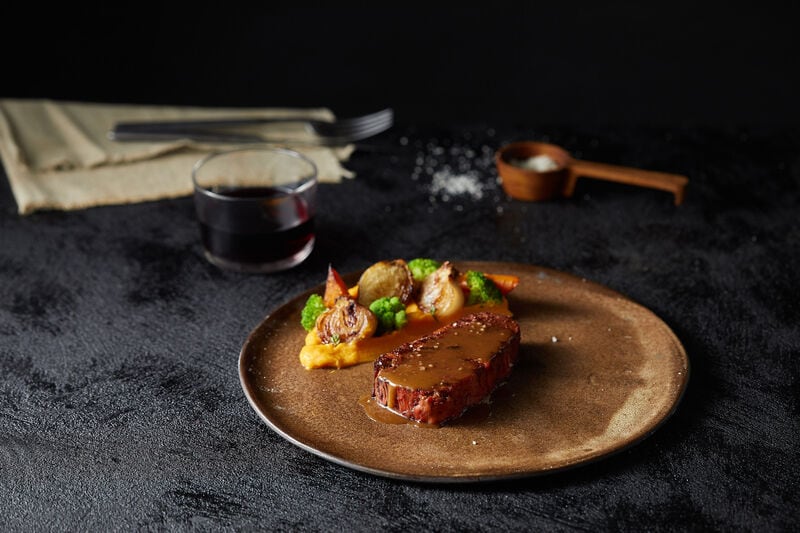
Alt-Steak is Made with Patent-Pending 3D Meat Printing Technology
The development of Alt-Steak showcases an opportunity for the food technology industry to explore innovative 3D printing technology in the production of alternative protein source…






