Category
Tech
Deskside Sound
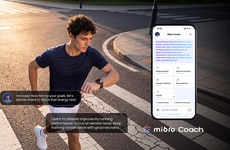
Wearables are evolving into self-contained companions for active routines.
What's Happening
Training Autonomy: Smartwatch manufacturers are introducing features that support greater independence from smartphones, including offline audio playback during workouts. This positions wearables as more self-sufficient fitness companions. Meanwhile, beta releases and ongoing software updates allow brands to refine functionality after purchase, extending device relevance without requiring frequent hardware replacements.
Why It's Happening
Consumers increasingly expect workout technology to provide practical support during physical activity rather than simply delivering post-exercise insights. Wearables that integrate media, coaching, and fitness tracking can minimize interruptions while simplifying daily routines. Furthermore, ongoing software enhancements reinforce expectations that personal technology should evolve beyond its initial purchase. For brands, this signals an opportunity to position performance wearables as versatile lifestyle companions that combine greater independence with continuous functionality improvements.
Evidence
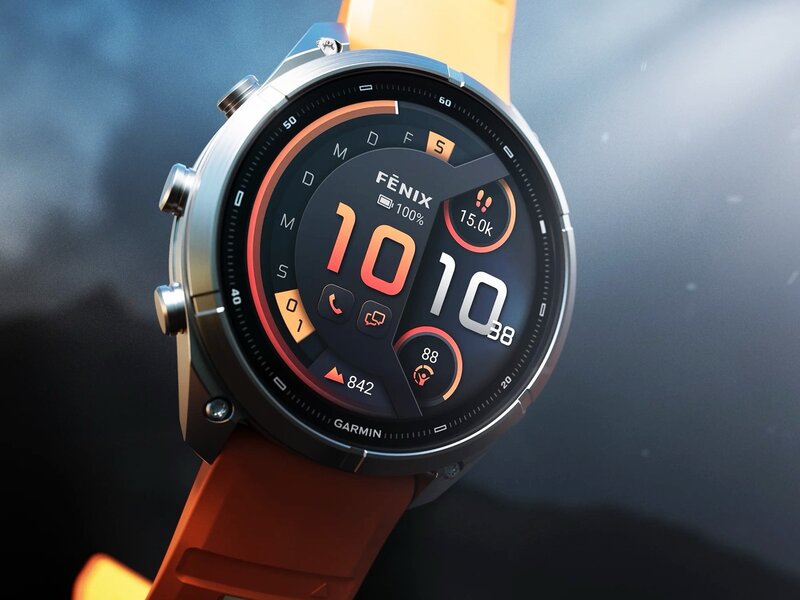
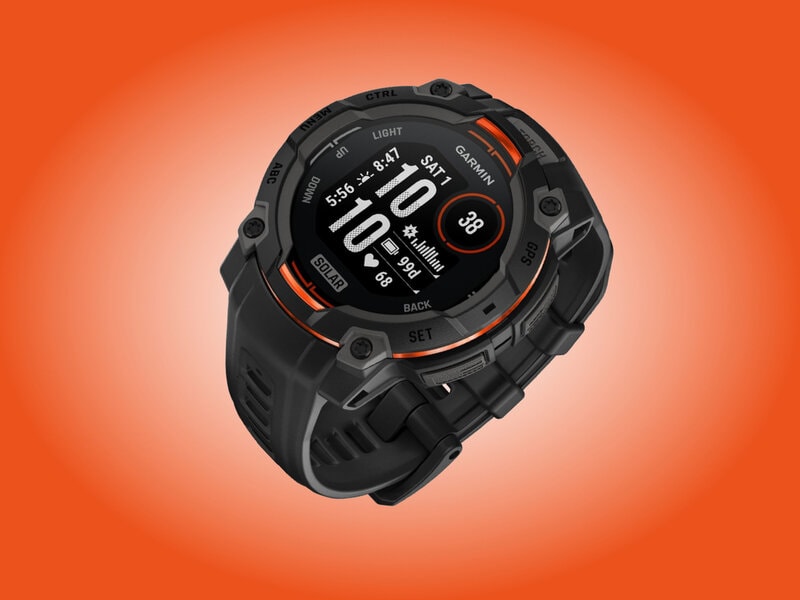
Garmin Adds YouTube Music to the Fenix 9 for Phone-Free Workouts
Sports watch makers can distinguish premium devices through integrated media, maps, and apps that reduce dependence on companion smartphones.
Garmin Adds Larger Displays and 18-Day Battery Life
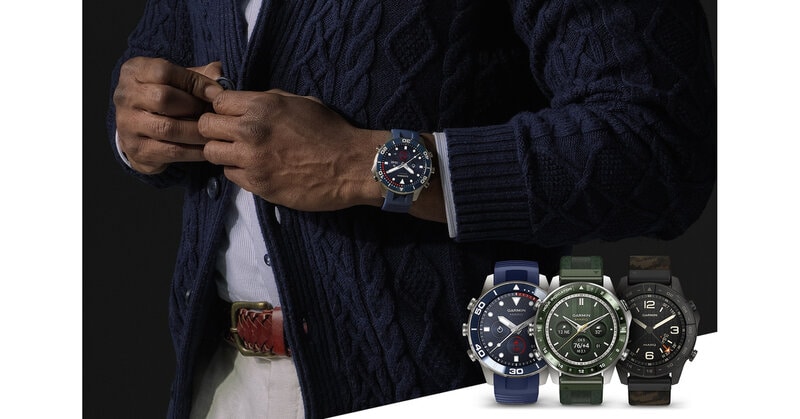
Advanced displays, health tracking and satellite-enabled communication are expanding the role of smartwatches from fitness accessories into multifunctional lifestyle tools.
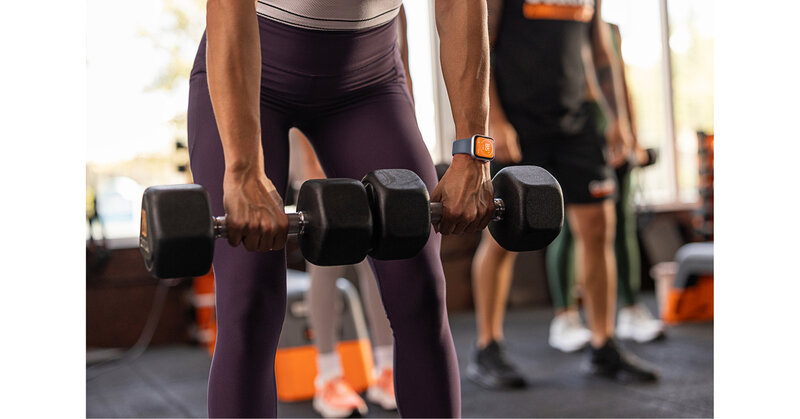
Orangetheory Brings Workout Tracking to Apple Watch
Class-based fitness brands can differentiate through seamless wearable compatibility that makes quantified training feel more accessible and personalized.
Garmin’s ‘Beta Version 16.07’ Adds ‘Recovery Mode’
Mid-range smartwatch platforms are becoming stronger testbeds for reliability-driven software innovation beyond premium device tiers.
Workshop question
How could your brand make its product more useful without requiring a second device nearby?
Trend themes
Wearables with offline music, mapping, payments, and communications create space for self-contained workout ecosystems that reduce dependence on smartphones during active routines.
Beta updates, feature refinements, and stability fixes turn watches into evolving platforms, opening room for post-purchase value models that lengthen product relevance.
Fitness brands connecting classes to consumer-owned smartwatches reveal new potential for hybrid membership experiences that merge personal devices with venue-based performance tracking.
Industry implications
Premium smartwatches with longer battery life, niche sport tools, and service integrations point to differentiation opportunities around lifestyle-specific devices rather than general-purpose gadgets.
Connected studios and training platforms can build more seamless experiences by linking biometric tracking, coaching, and personalized summaries across workouts and recovery periods.
Offline audio compatibility on wearables expands subscription value into fitness contexts, creating openings for media platforms to become embedded in active daily routines.
Trajectory
Latest reading 8.5 for the week of Oct 19, 2026. Holding over the final 3 scored weeks (±0.0), at its peak of 8.5. Momentum 7.0/10, persistence 2.5/10.
6 Trend Hunter articles were grouped into the wider weekly cluster this trend was identified in, over 2 weeks.