Category
Life-Stages
Constructible Franchises
Discerning consumers turn to modernized versions of gaming classics.
Trend
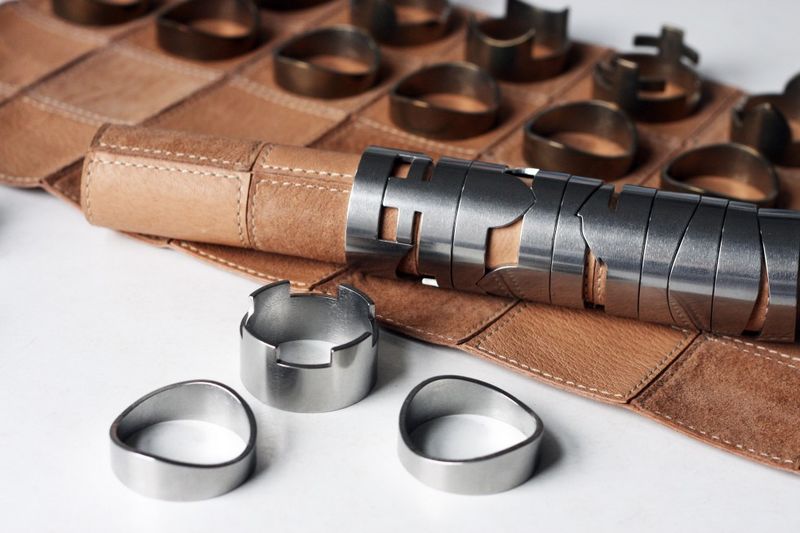
Modernized Gaming: Adding an unexpected element of sophistication to the category, board games are getting a hyper-modernized update, resulting in products that are almost unrecognizable. This artful approach to games broadens the appeal of these products to a more mature audience to accommodate the average gamer, who is in fact in their mid-to-late 30s. This pattern also falls in line with the increasingly popular approach to consumerism where consumers' are looking to acquire fewer, better quality items.
Trend themes
Discerning consumers seek for modernized versions of classic board games.
An artful approach to board game design is gaining popularity.
Luxurious and modern materials are being used to create upscale board gaming products.
Industry implications
Board game manufacturers can re-imagine classic board games using modern and luxurious materials.
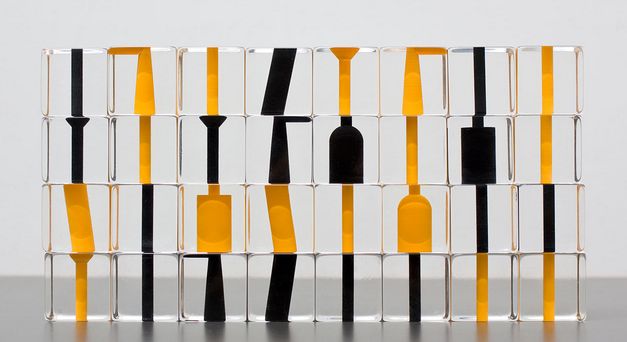
Art aficionados can appreciate modernized board games that take inspiration from cubism and other art movements.
Designers can explore the trend of an artful approach to board game design to create visually striking products.
Workshop question
Trend signals
Trend score 3.0 out of 10, from popularity 33%, activity 48%, freshness 8%.
Evidence
This Portable Chess Set Makes It Easy to Set Up a Game Anywhere
Innovative and high-quality portable chess sets can disrupt the toy and game industry by providing a new type of product that is both practical and entertaining.
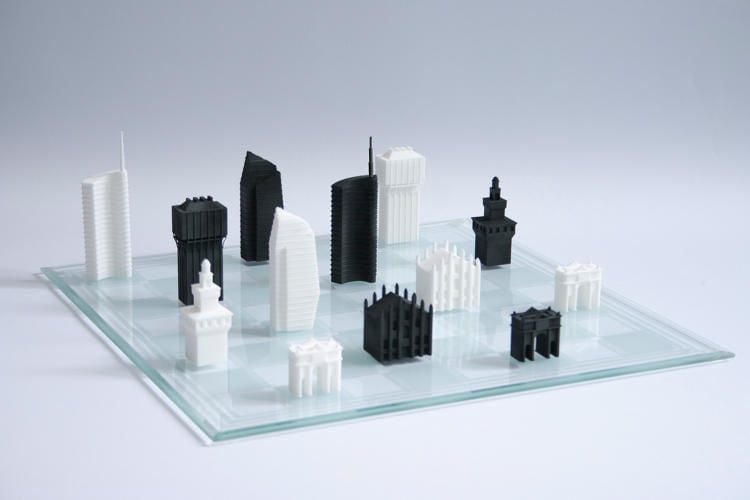
This 3D-Printed Chess Game Features Pieces Inspired by Milan's City Skyline
Further capitalizing on the growing demand for tabletop board games by creating unique and intricate game pieces
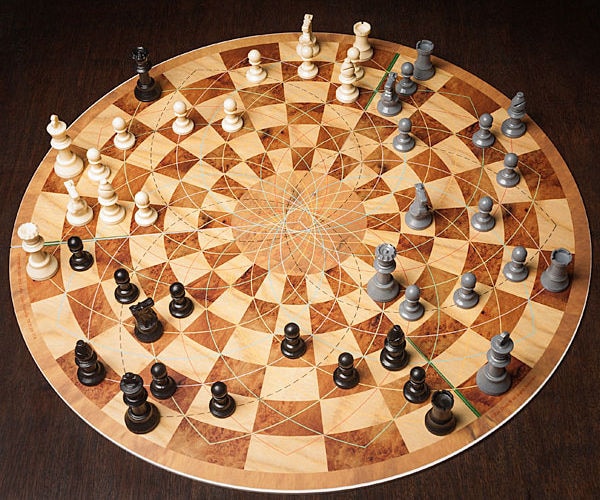
This Three Player Chess Set Will Enhance the Game for Experts
Disruptive innovation opportunity to produce advanced and unconventional boardgames.
This Artistic Chess Set Draws Inspiration from Modern Art
Disruptive innovation opportunity for game designers to explore unconventional game piece designs.
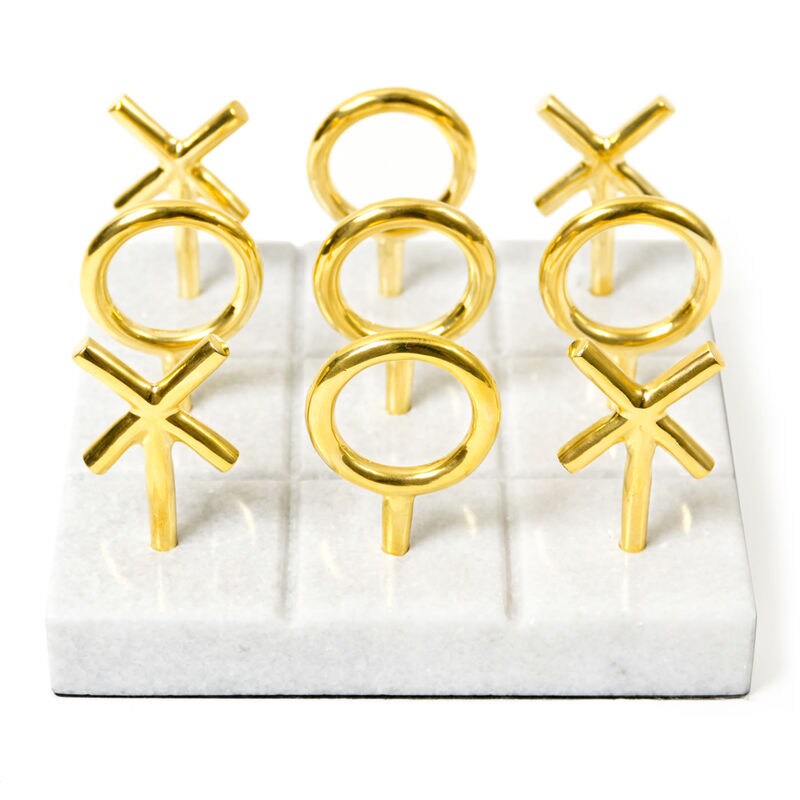
This Lush Tic Tac Toe Set Gives the Classic Game a Swank New Look
Luxury brands and designers can capitalize on the demand for high-end game sets to create exclusive and opulent products.