
Category
Tech
Delegated Interfaces
Banks are entering the metaverse to create more immersive consumer experiences.


Trend
Metaverse Banking: Banks, small and large, are embracing the Web3 revolution and reinventing the customer experience by setting up shop in the metaverse. Examples of metaverse banking range from virtual crypto ATMs to full-fledged institutions aimed at replicating real-world branches.
Insight
Digital banking has become the norm, and while it is undoubtedly convenient and functional, it lacks the humanity associated with traditional branch-based practices. Consequently, customers are more connected to their finances than ever before, yet emotionally detached from the institutions governing them. Now, banks are turning to the metaverse to improve customer experiences by creating virtual spaces that reintroduce and reimagine the emotive quality of in-person banking.
Trend themes
Banks are embracing the metaverse to improve customer experiences by creating virtual spaces that reintroduce and reimagine the emotive quality of in-person banking.
Digital banks are bridging the gap between Web2 and Web3 for a modern customer experience that offers easy, transparent and accessible services, including cryptocurrency and NFTs.
Banks are creating traversable virtual environments that allow customers to perform traditional banking tasks and host events, both aimed at connecting with a younger population on a deeper level through the convenience of the metaverse.
Industry implications
Traditional banking institutions and digital banks alike are exploring the potential of the metaverse to innovate services and connect more deeply with customers.
The expansion of metaverse banking has driven new use cases for cryptocurrency and NFTs, leading to opportunities for blockchain and cryptocurrency businesses to develop solutions.
Metaverse banking has led to new immersive experiences for gamers and sports fans, opening up opportunities for the gaming and entertainment industry to integrate financial services and monetization systems into their virtual worlds.
Workshop question
Trend signals
Trend score 5.6 out of 10, from popularity 89%, activity 66%, freshness 12%.
Evidence
Quontic Bank Opens Its First Metaverse Outpost in Decentraland
Traditional banking institutions may be disrupted by neobanks that are more agile and quick to adapt to digital innovations.
The Uni-Verse is a Banking Metaverse for Union Bank of India Clients
Opportunities for banks to leverage virtual environments and offer clients swiftness and safety in performing banking tasks in the metaverse.
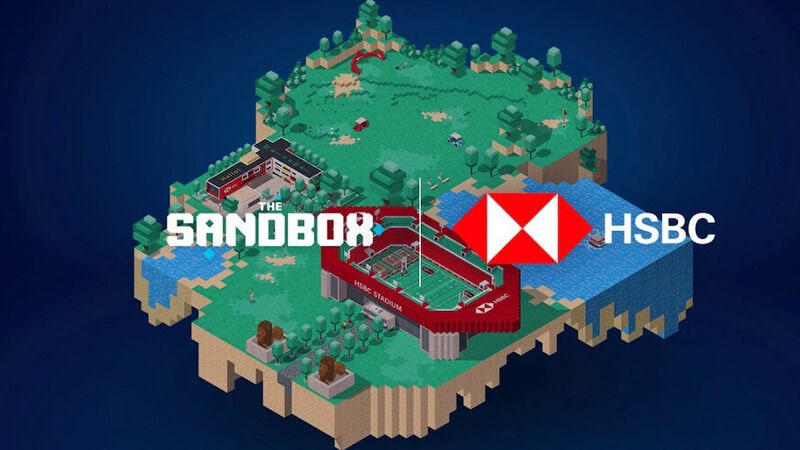
HSBC Bank Buys a Plot of Digital Land in The Sandbox Metaverse
Traditional banks looking to stay competitive may need to explore the metaverse as a new channel for engaging with customers.
Decentraland Partners with Transak to Launch the First-Ever Metaverse ATM
The introduction of virtual currency ATMs further strengthens the blockchain and cryptocurrency industry, providing more accessibility to users and reinforcing its role in digital…
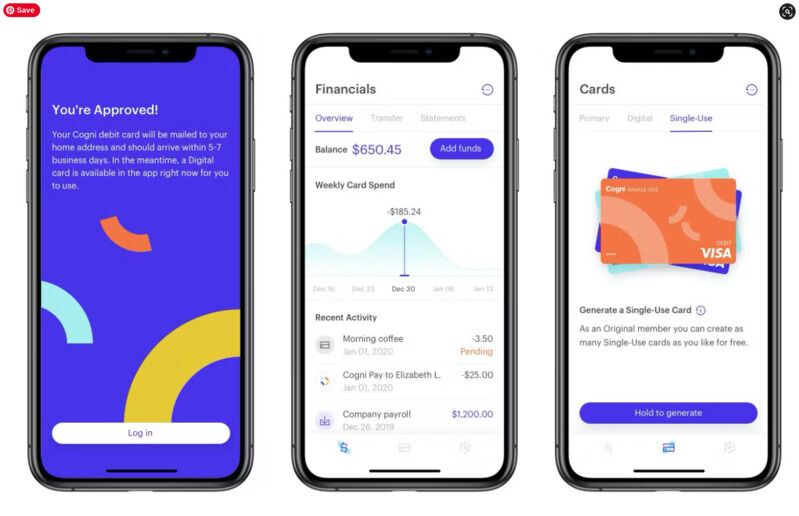
Cogni is Creating a Web2 to Web3 Mobile Banking Platform
Cogni's cutting-edge Web3-focused digital banking platform presents an opportunity for the digital banking industry to modernize and adapt to the changing needs of consumers.