Category
Lifestyle
Baseline Support
A world of people are choosing to invest their time in Second Life over real.

What's Happening
Living the Fake Life: Description - Second Life, owned by Linden Labs, is a user-generated, interactive 3D world which inhabited by millions of global internet users. The game allows users to use an avatar they create to socialize with other avatars, purchase services, products and real estate with Second Life currencies.
Implications - Hundreds of international companies have used the Second Life platform for marketing, from putting up virtual billboards, to sending out virtual street teams, launching guerilla marketing campaigns and even setting up virtual versions of their real life stores. Real-life companies marketing to Second Life avatars can not only build brand awareness, but create a real following by interacting directly with consumers, and targeting specific markets based on interest.
Evidence
Second Life Hack Causes Controversy
The rise of virtual adult entertainment through Second Life supports growth within the adult entertainment industry as a whole.
GoogleLife Virtual World
The gaming industry can offer new virtual world technologies and assets for Google to acquire or partner with.
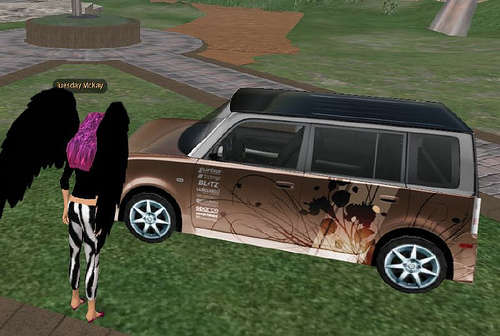
Toyota Scion Makes 4th Virtual Debut
Automakers can explore virtual world marketing opportunities to reach new and engaged audiences, as seen with Toyota Scion's presence in multiple virtual worlds.
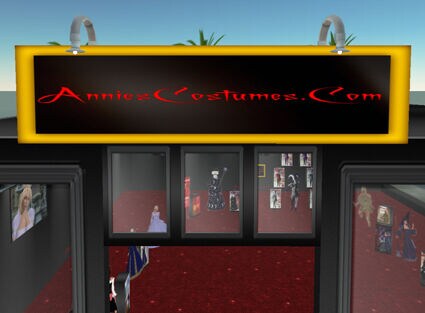
Annie's Costumes
The emergence of virtual Halloween costumes and online virtual boutiques in platforms like Second Life highlights the potential for e-commerce retailers to expand their offerings…
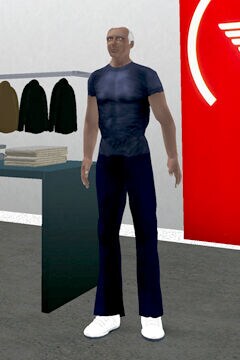
Georgio Armani's Avatar
Fashion brands are seeking innovative ways of marketing their products and engaging consumers, making virtual reality and virtual avatars become a growing trend.
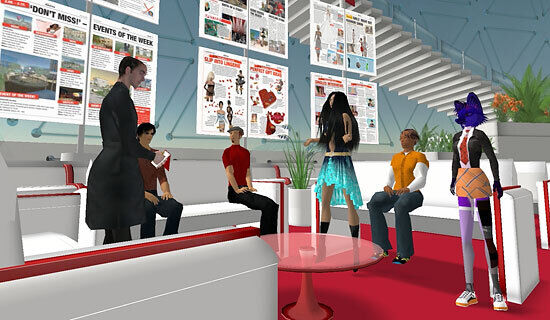
Second Life Gossip Mag
The publishing industry can leverage the trend of creating virtual gossip magazines as a way to reach new audiences and experiment with innovative digital storytelling formats.

24% Say Second Life Is OK Sub
Virtual reality technology and content creators can capitalize on the demand for immersive experiences in the realm of virtual companionship and digital social interaction.
Trend signals
Trend score 4.3 out of 10, from popularity 64%, activity 56%, freshness 8%.
Trend themes
Virtual marketing creates a brand presence in the online world, and is an advertising opportunity that shouldn't be ignored by businesses.
Fashion designers making their virtual debut set a trend in creating brand ambassadors, and opens up new opportunities to connect with consumers in a new realm.
As urban-dwellers become increasingly busy, they find less and less time for social interaction. This creates opportunities for businesses to provide entertainment, relaxation, and some form of social interaction online.
Industry implications
The rise of virtual marketing creates a huge advertising niche, ripe for tapping into.
Virtual fashion designers provide another outlet for promoting clothing lines, offer a unique shopping experience and access to a new audience.
Online relationships and virtual companions for entertainment purposes provide an avenue for businesses to connect with consumers and fulfill consumers' needs for relaxation and social interaction.