Category
Lifestyle
Serial Snacking
Establishments encourage interaction with social-aiding accessories.
Trend
Literal Social Drinking: Socializing is a large aspect of attending bars and consuming alcohol; however, the rise of the digital age signifies a potential decline in real-life socializing. To battle this, many establishments are incorporating pieces to encourage peer-to-peer interactivity. This speaks to a lasting consumer desire to make and maintain human contact.
Trend themes
Bars and establishments are incorporating items that encourage interactivity to battle the decline in face-to-face socializing.
Products and services that encourage people to put down their phones and engage in real-life interactions are gaining traction.
Drinkware that doubles as entertainment or encourages friendly competition is gaining popularity as a way to enhance social experiences.
Industry implications
Bars, restaurants, and hotels can incorporate socializing accessories to enhance customer experience and encourage face-to-face interactions.
Marketing agencies can create innovative products and services that target the digital age by encouraging people to engage in offline interactions.
Drinkware companies can innovate by creating products that enhance social experiences, such as interactive coasters or drinkware that doubles as entertainment.
Trend signals
Trend score 3.3 out of 10, from popularity 56%, activity 34%, freshness 8%.
Evidence
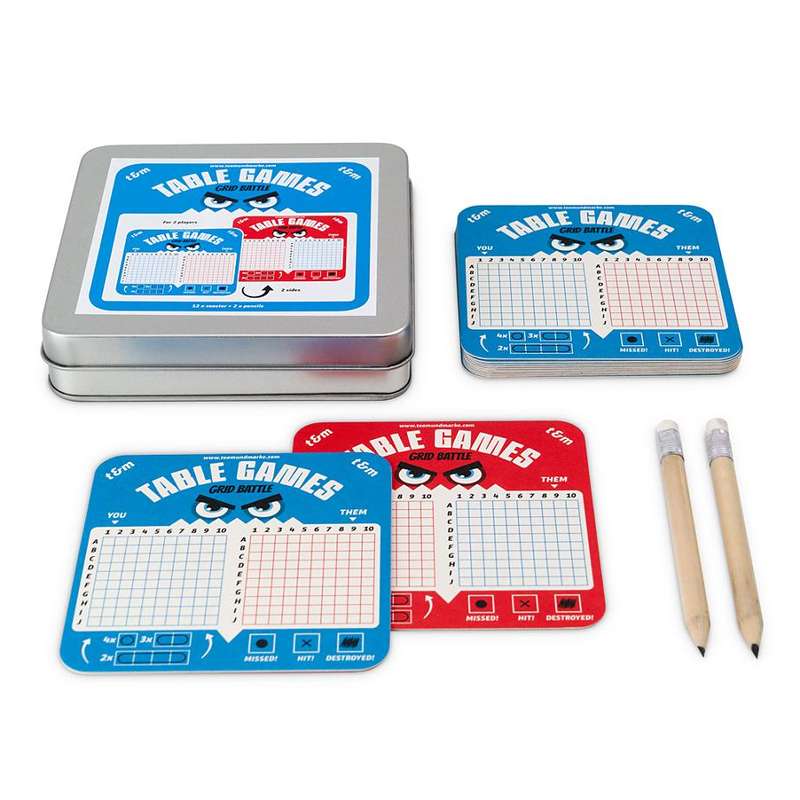
These Battleships Coasters Encourage Friendly Game Play
Restaurants, bars, and cafes can incorporate interactive coaster games to enhance customer experience and boost sales.
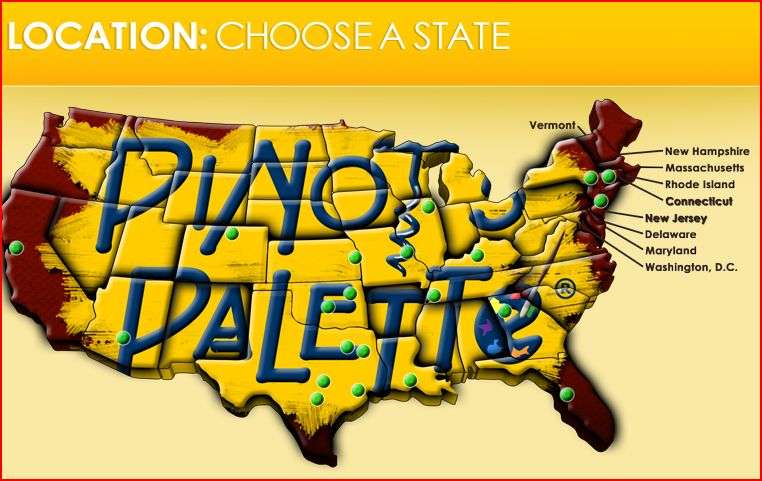
Pinot's Palette is a Painting Wine Bar to Enjoy Some Cocktails
Painting wine bars offer an innovative way for the food and beverage industry to attract customers by providing a unique experience that combines drinking, art, and socializing.
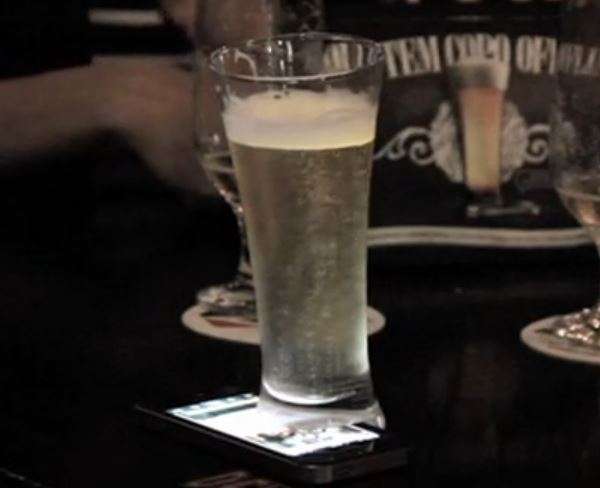
The 'Offline Glass' Forces You to Choose Between Your Phone or Beer
Opportunity to create new bars and restaurants that provide customers with an immersive experience, free from digital distractions.