Category
Fashion
Occasion Chromatics
Beauty formulas use engineered and fermented actives for care.

What's Happening
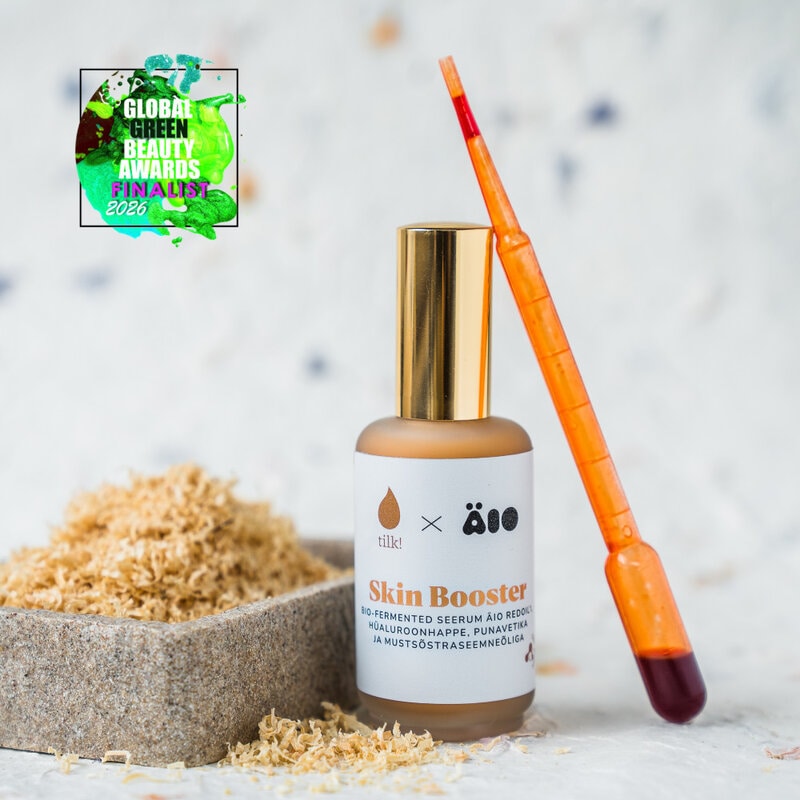
Lab Botanicals: Skincare brands are combining biotechnology with beauty ingredients, using approaches such as fermentation, exosome-derived materials, and epigenetic positioning in topical formulas. These science-led ingredients are appearing in familiar product territories like facial oils and brightening treatments, bringing technical differentiation to established routines.
Why It's Happening
Consumers are navigating an increasingly crowded skincare market, making more technical ingredient narratives a way for products to establish greater specificity and differentiation. However, highly scientific language can create friction when consumers are asked to interpret emerging biological concepts rather than familiar beauty terminology. To bridge this gap, brands can translate technical innovation into clear, accessible messaging that explains what a formula is designed to address, how its ingredients contribute, and why those benefits are relevant.
Evidence
ÄIO and tilk! Bring RedOil into a Commercial Serum
Fermentation platforms are expanding beyond research into consumer product applications, opening commercial pathways for scalable ingredient production.
Debut Engineers PNar to Target Hyperpigmentation
Premium skincare brands gain access to novel brightening technologies that support inclusive claims across diverse skin tones.
CD Bioparticles Expands Materials for Advanced Beauty R&D
Ingredient developers can reshape formulation pipelines with exosome platforms that bring targeted delivery and biomolecular functionality into skincare products.
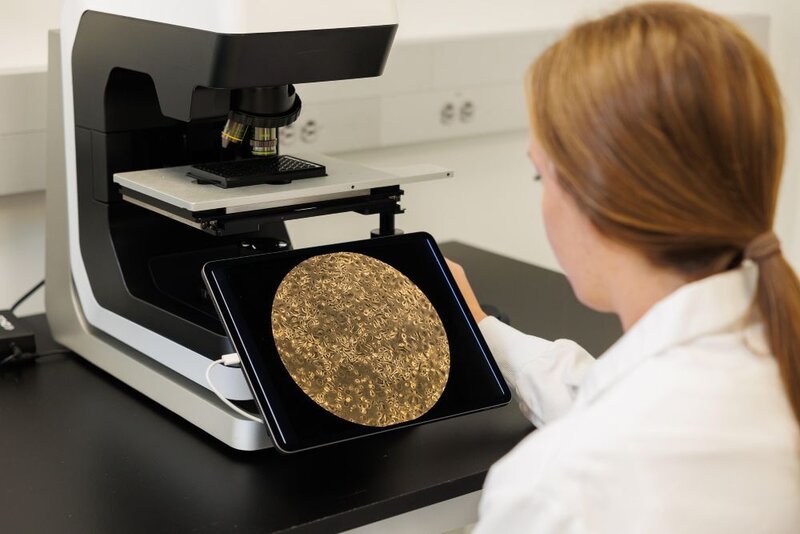
BASF Combines Flower Extracts with Advanced Skin Science
Advanced floral actives give skincare brands new pathways to develop radiance, barrier-support, and resilience products with science-backed botanical credentials.
Workshop question
How could your brand turn complex innovation into a clear everyday benefit for customers?
Trajectory
Latest reading 8.8 for the week of Oct 19, 2026. Rising over the final 3 scored weeks (+0.8), at its peak of 8.8. Momentum 3.8/10, persistence 2.5/10, backed by 3 research findings.
23 Trend Hunter articles were grouped into the wider weekly cluster this trend was identified in, over 4 weeks.
 Biodegradable Skincare MicropowdersEastman Introduces Esmeri SK1N10 for Skincare and Sunscreens
 Concentrated Probiotic MistsAOBiome Introduces Stronger AO+ Skincare Formulas
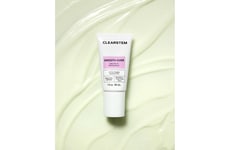 Multi-Benefit Texture SerumsCLEARSTEM Packs SMOOTH OVER with Bakuchiol and Peptides
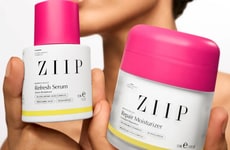 Bioelectric Skincare FormulationsZIIP Introduces Skincare Designed Around Skin's Natural Activity
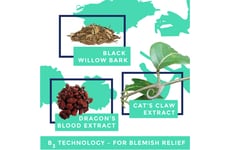 Patented Botanical Acne SkincareHi-TECH Beauty Labs Seeks $5 Million for Its SkinKick Technology
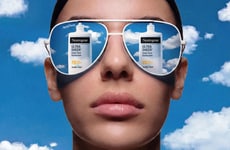 Single-Filter UV SunscreensNeutrogena Brings Bemotrizinol SPF Formulas to U.S. Shelves
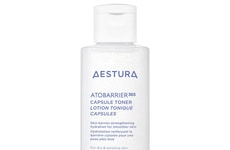 Ceramide-Infused TonersAESTURA's ATOBARRIER365 Capsule Toner Gently Exfoliates
 AI-Powered Skin AnalysisISO EV Connects 3D Imaging with Personalized Skincare
 Enzyme-Powered Overnight MasksMarini SkinSolutions Combines Resurfacing Enzymes with Peptides
 On-Demand Hydrogel MasksNuon Medical Turns Skin Readings into Skin Factory Masks
 Triple-Complex Recovery AmpoulesAllies of Skin Introduces Its 10/10/10 Formula
 Personalized Skincare Loyalty ProgramsPRX by WiQo Connects Beauty Rewards with Skin Goals
 TORC1-Targeting Skincare SerumsRapalogix Reports Improved Skin Firmness with RLX-201
 Repairing Exosome MoisturizersDi Morelli Expands Its Exosome Range with an Overnight Repair Cream
 Fermentation-Derived Beauty IngredientsInnosya Applies Fermentation Science to Cosmetic Formulas
 Squalane-Infused Cosmetic PolymersSeppic Embeds Squalane into Its Sepilife NEOS Polymer
 Long-Lived Skin ModelsOuter Bio Keeps Human Skin Viable for Over Four Weeks
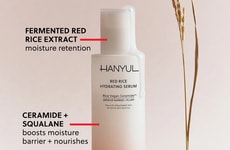 Red Rice-Powered Hydrating SerumsHANYUL Boasts the Red Rice Hydrating Serum with Ceramide
 AI-Powered Beauty ResearchAmorepacific's LEMON Accelerates R&D Tasks
Research
Lab Co-Pilots
Consumers may see AI at the front end through recommendation tools, but the deeper shift is that brands are using computation to generate more targeted, defensible actives in the lab.
This matters because it turns AI from a marketing add-on into a product-performance engine, strengthening the link between clinical credibility and innovation speed.
Biotech Botanicals
Consumers still like the romance of botanicals and natural ingredients, but supply risk, climate pressure, and scrutiny are making traditional sourcing harder to scale cleanly.
Biotech and traceable systems matter because they let brands protect the story of nature while improving consistency, resilience, and measurable impact.
Color Stability Chess
Consumers often see color as superficial, but formulators know it affects the whole eating experience and production system.
The shift to natural color is therefore exposing a deeper truth: ingredient transparency only works at scale when brands can rebuild performance, taste, and shelf-life around it.