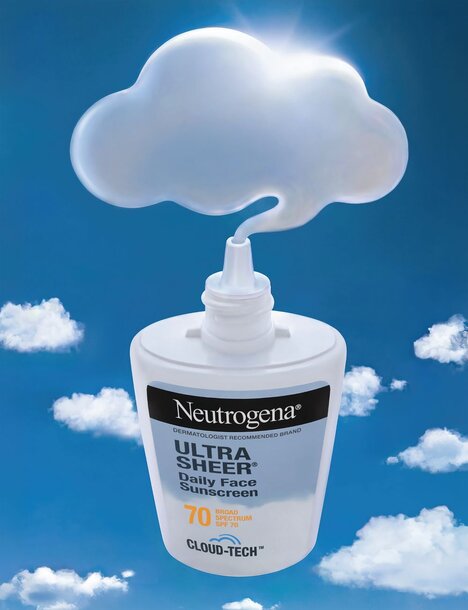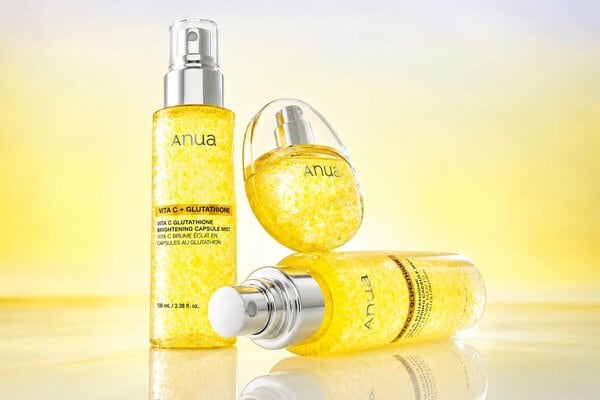
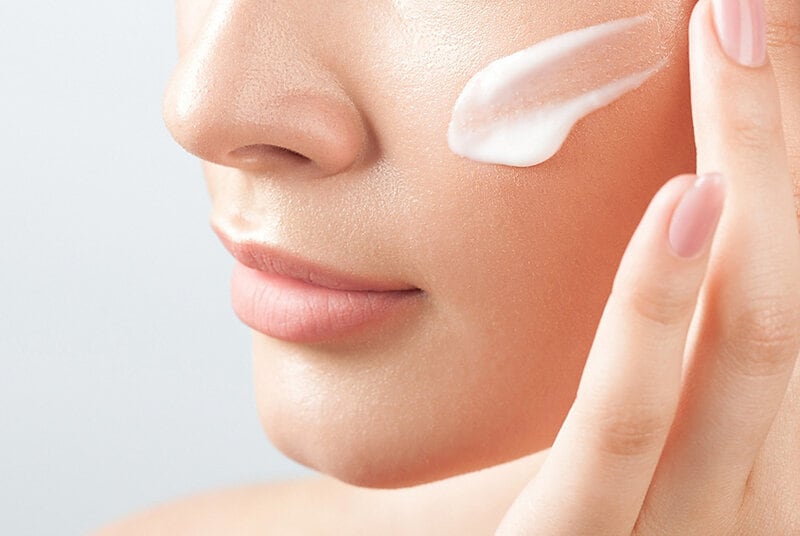
Eastman is introducing biodegradable skincare micropowders with Esmeri SK1N10, a cellulose ester ingredient designed to improve cosmetic textures while addressing environmental concerns. Unlike conventional synthetic microparticles, the readily biodegradable, non-nano powder provides a soft-focus blurring effect, reduces unwanted shine, and helps skincare products dry quickly without leaving a sticky sensation.
The multifunctional ingredient can be incorporated into serums, moisturizers, creams, and sunscreens. Its UV-scattering properties may also improve SPF performance, potentially allowing manufacturers to reduce UV-filter concentrations. Esmeri SK1N10 meets the biodegradability requirements of EU Regulation 2023/2055, offering an alternative to materials such as PMMA and nylon-12.
By combining desirable skincare finishes with regulatory compatibility, Eastman could help beauty manufacturers develop products that address changing consumer expectations. The ingredient may also support formulation flexibility as brands seek biodegradable alternatives without sacrificing product performance.
Image Credit: Eastman
Key Themes Behind This Trend
- Biodegradable Beauty Ingredients
- Cellulose-based cosmetic additives create space for high-performance formulations that align with tightening microplastic regulations and consumer demand for cleaner product profiles.
- Eco-friendly Texture Enhancers
- Advanced biodegradable powders are reshaping sensory cosmetics by delivering blur, shine control, and fast-dry finishes without relying on traditional synthetic microparticles.
- Sustainable SPF Optimization
- UV-scattering skincare ingredients may enable sunscreen brands to maintain performance while lowering reliance on conventional filter loads and improving environmental positioning.
Where This Applies
- Skincare
- Premium facial care products can differentiate through biodegradable sensorial ingredients that combine visual finish, comfort, and sustainability claims.
- Sun Care
- Sunscreen manufacturers are positioned to explore multifunctional powders that enhance texture and potentially support more efficient SPF formulations.
- Cosmetic Ingredients
- Specialty chemical suppliers face growing opportunities around compliant bio-based materials that replace PMMA, nylon-12, and other scrutinized cosmetic additives.