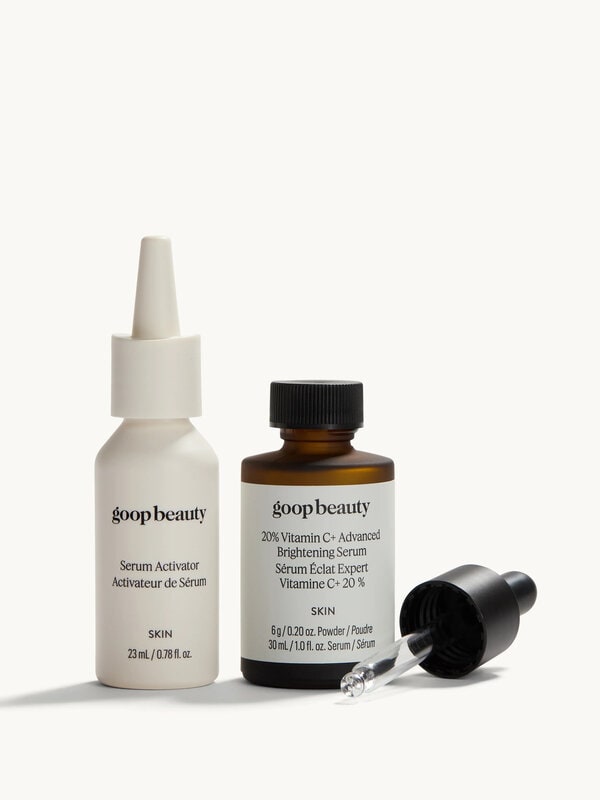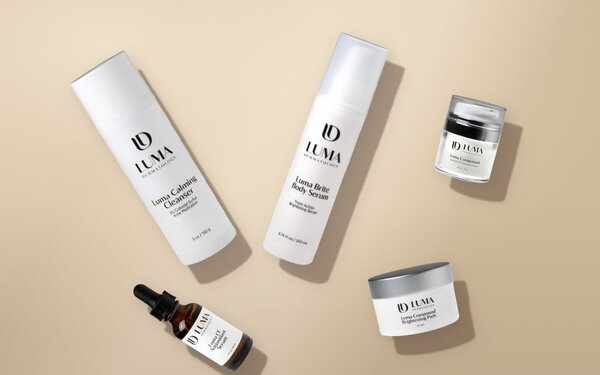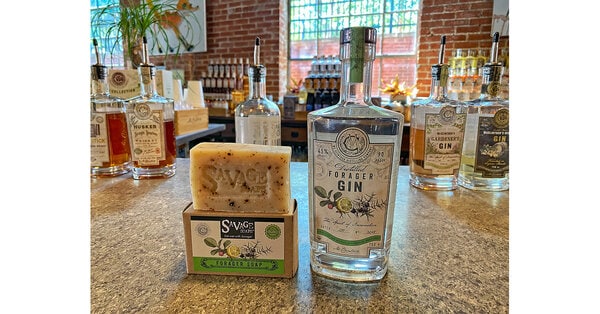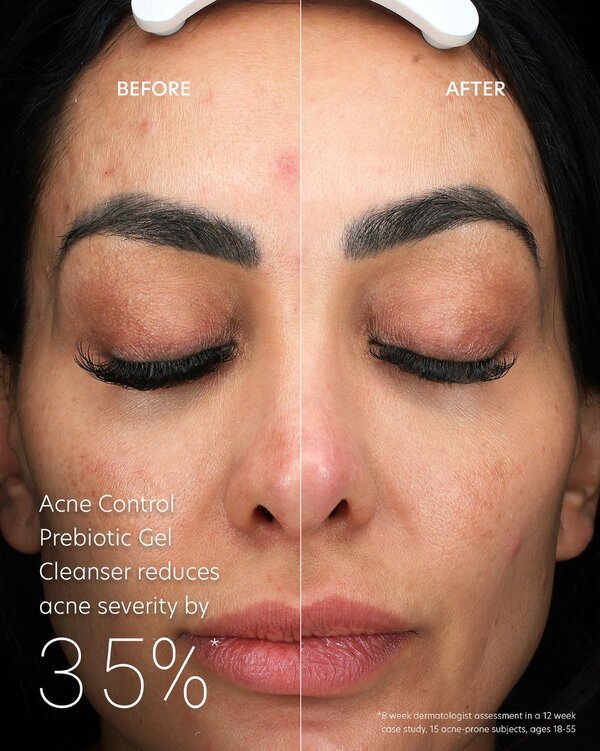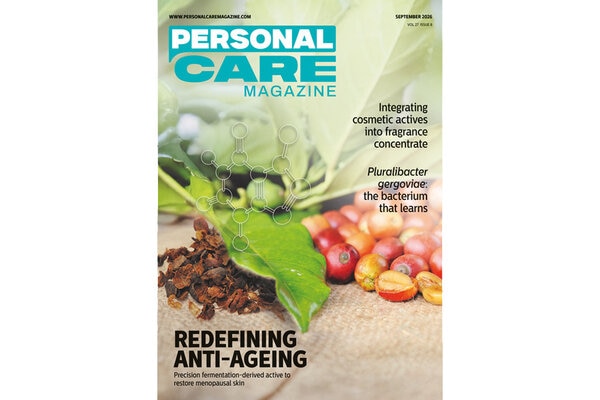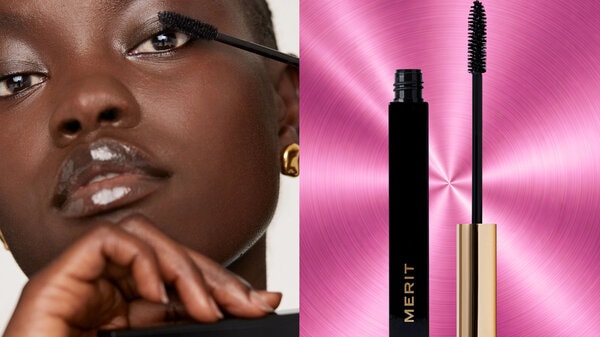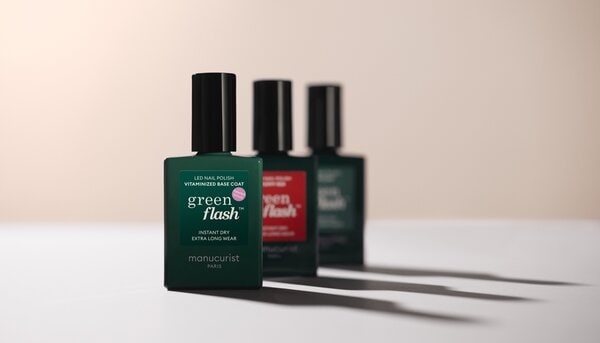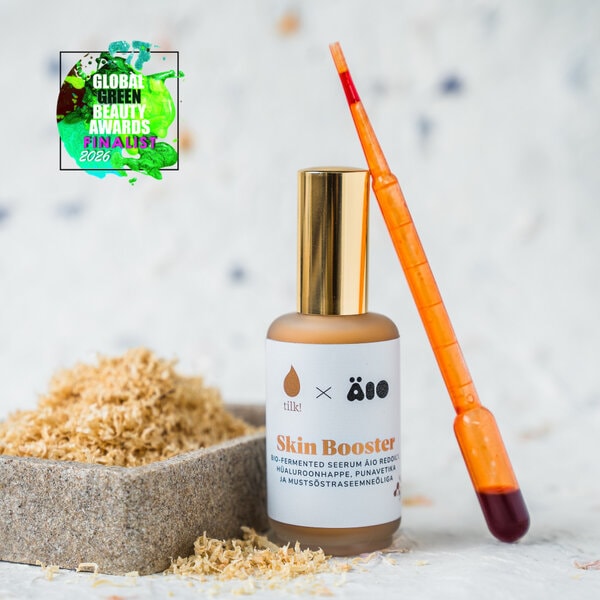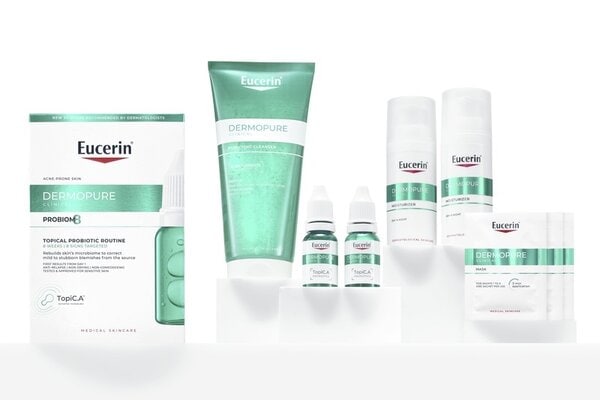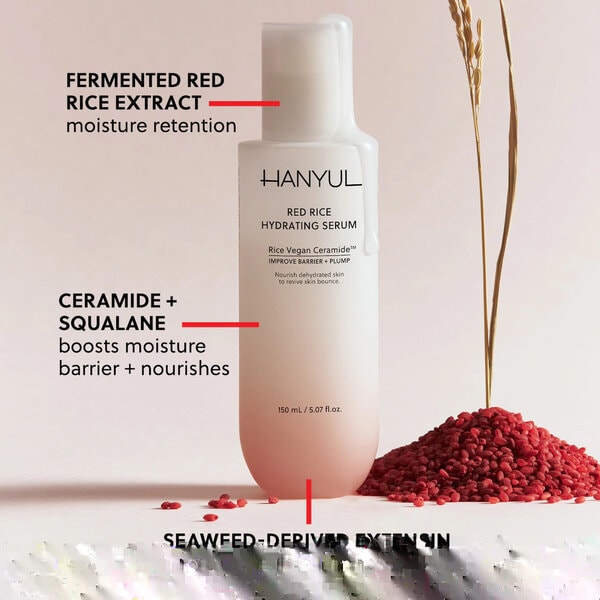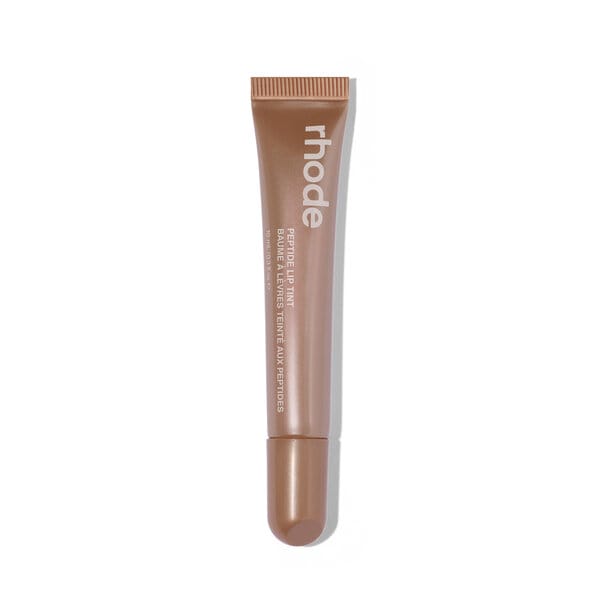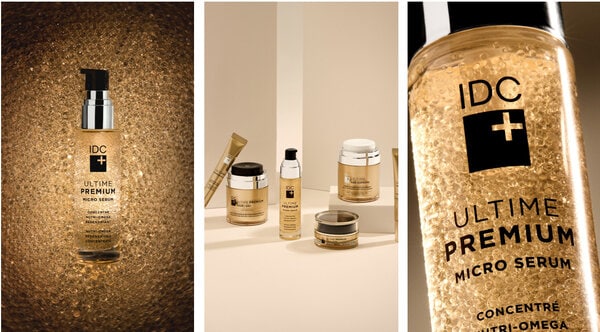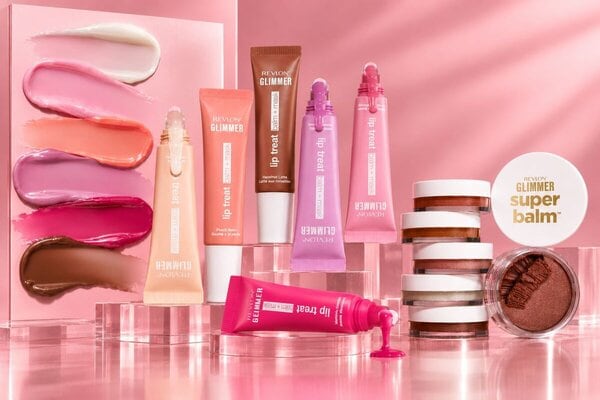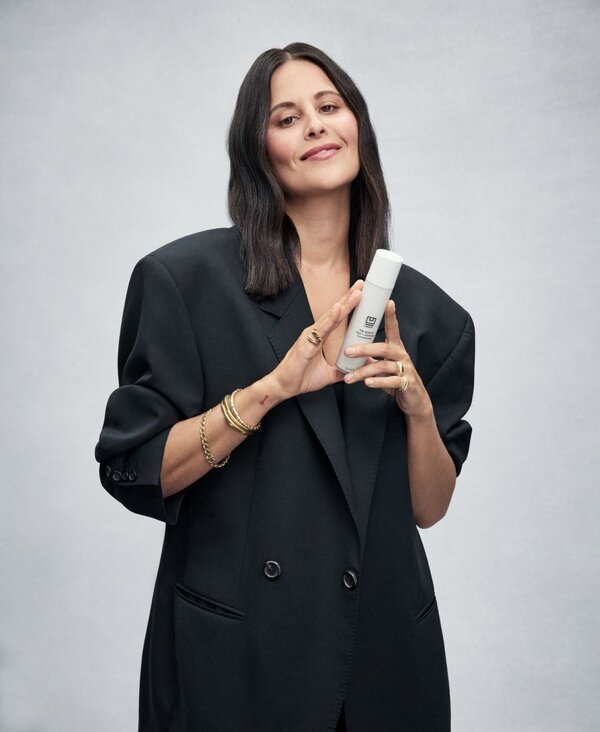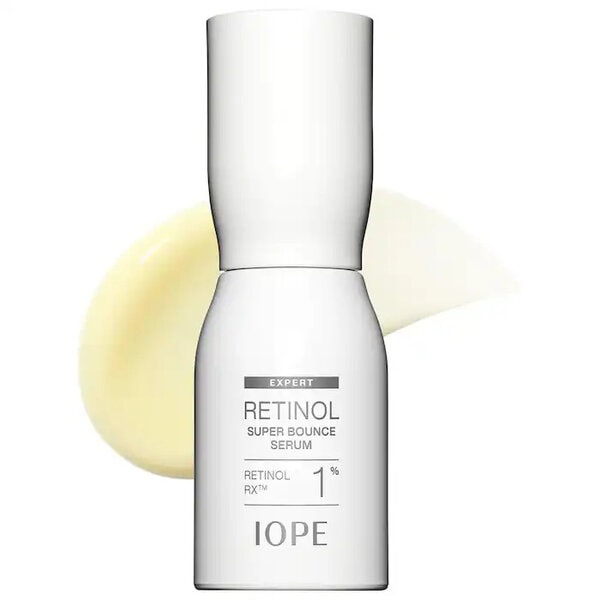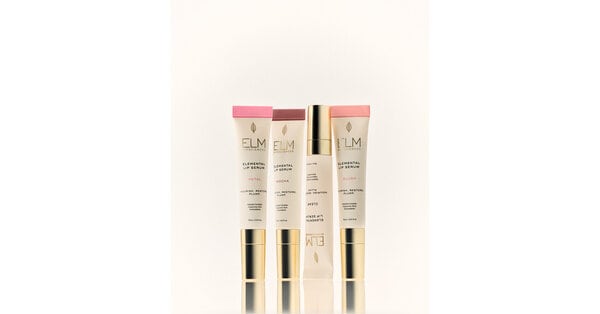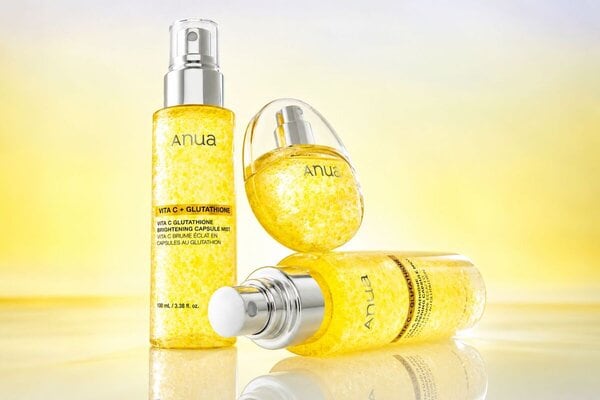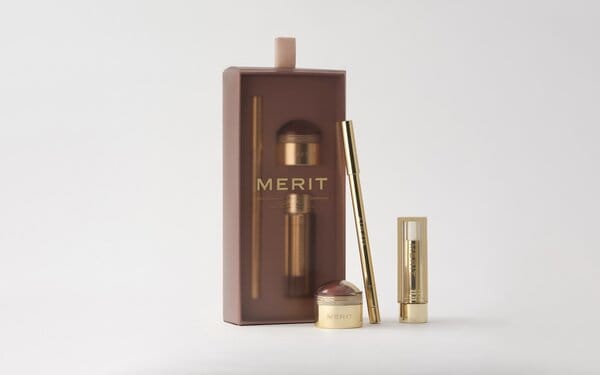
October 2026 cosmetics trends reveal a beauty market increasingly shaped by personalization, science-backed formulas, sensorial experiences, and products designed to fit more seamlessly into everyday routines. Skincare remains a particularly active area, with biotech longevity skincare, peptide-infused lip treatments, and barrier-first anti-aging serums reflecting consumer interest in targeted formulas that address both immediate appearance and longer-term skin health.
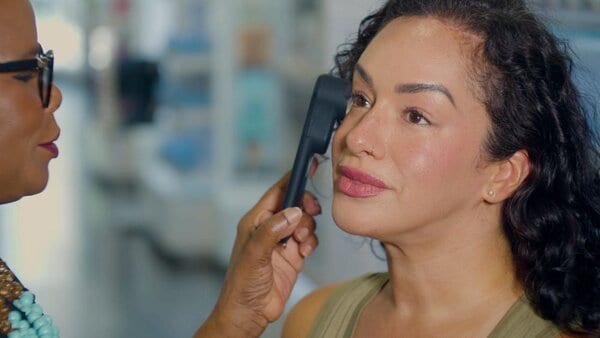
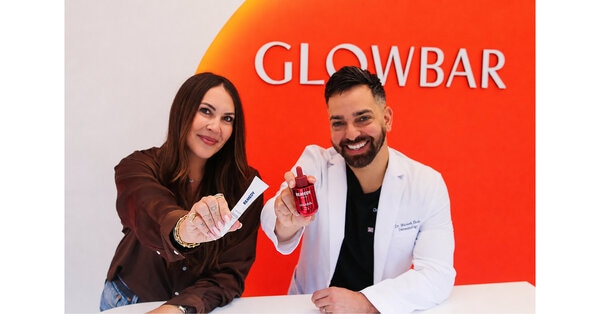
Personalization is also influencing how consumers discover and select beauty products. AI-powered retail skin scans bring technology into the shopping experience, while consultation-guided skincare lines provide more individualized product recommendations. AI-powered beauty research similarly demonstrates how technology is becoming integrated behind the scenes as brands explore new approaches to product development and consumer insights.
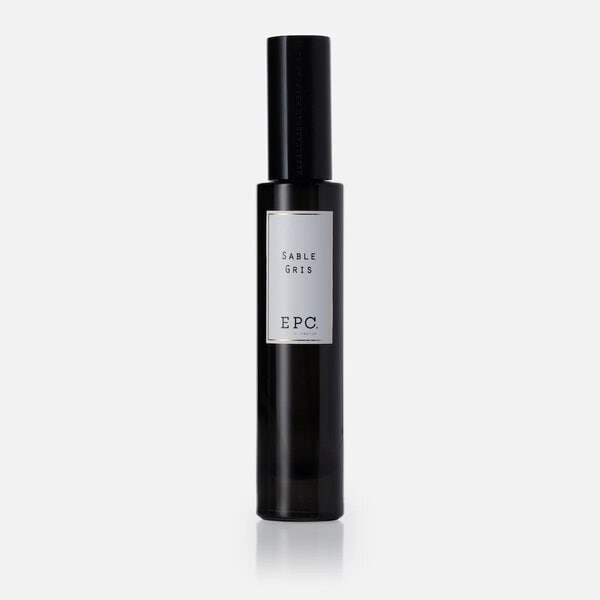
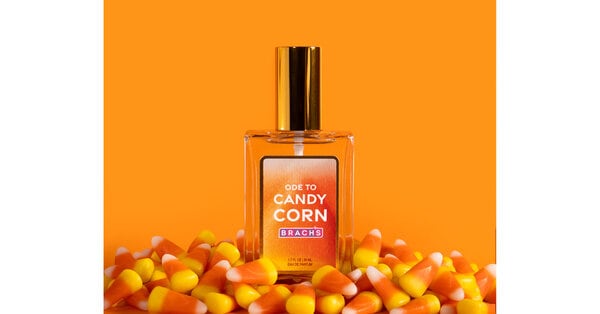
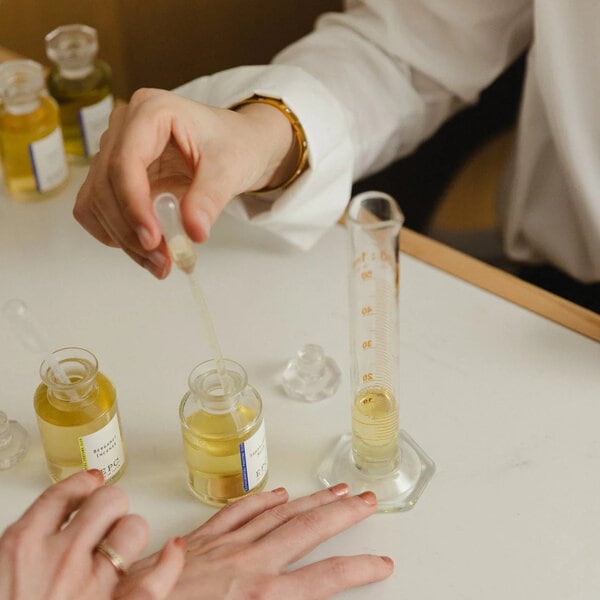
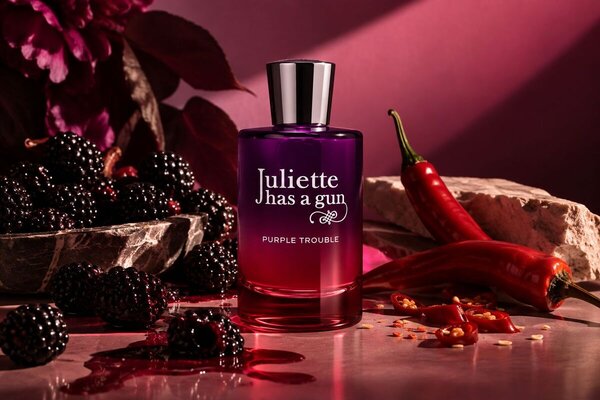
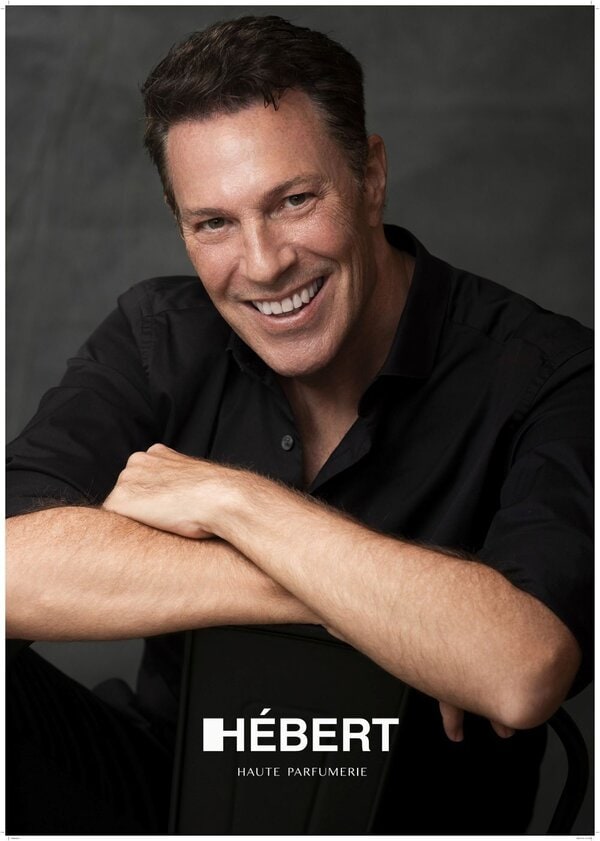
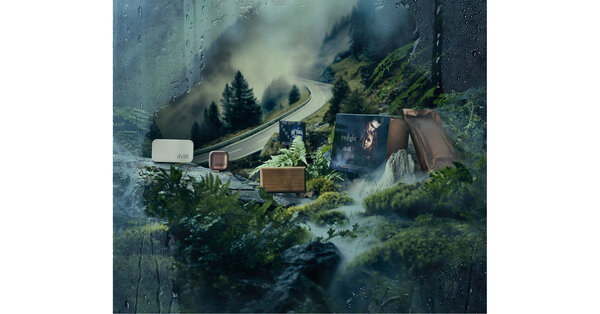
Fragrance is expanding beyond conventional perfume formats through more experiential concepts. Mood-based cocktail fragrance wardrobes, personalized perfume experiences, and location-captured fragrances connect scent with emotions, identity, and memorable places. Meanwhile, candy-inspired fragrances and branded perfumery club concepts introduce more playful ways for consumers to interact with scent.
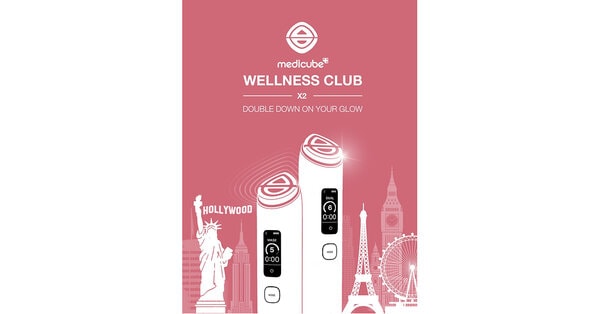
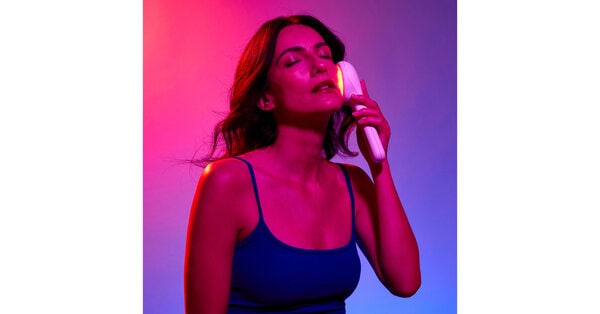
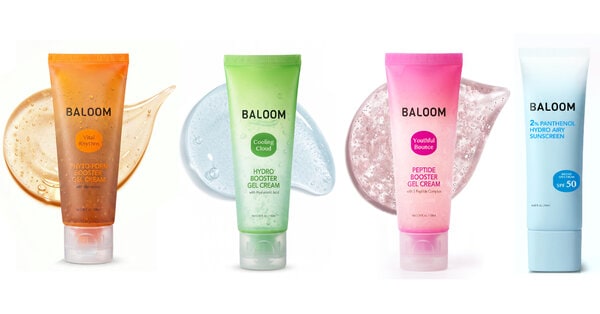
Elsewhere, convenience and multifunctionality remain important. Cordless LED skincare devices bring professional-inspired treatments into portable formats, while multi-function booster gels, multitasking hydration moisturizer launches, and multi-use odor control creams streamline routines by addressing several needs at once. Collectively, October's cosmetics trends show brands balancing clinical credibility with personalization, convenience, and increasingly immersive beauty experiences.
- Gen Alpha
- Gen Z (primary audience)
- Millennial (primary audience)
- Gen X (primary audience)