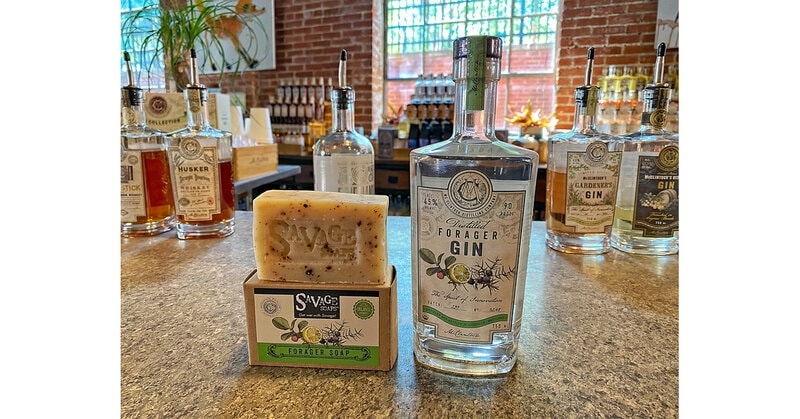
Upcycled botanical soaps are turning production leftovers into personal care ingredients that reduce waste while creating distinctive product stories. Savage Soaps partnered with Maryland-based McClintock Distilling Co. to create ‘FORAGER,’ a handmade cold-process soap incorporating leftover botanicals from the distillery’s gin production. Rather than discarding the botanical mixture, Savage Soaps combines it with essential oils including ginger, lavender, peppermint, rosemary, orange and juniper to create an aromatic natural soap.
The collaboration gives McClintock a practical way to extend the usefulness of its production materials while reinforcing its environmental commitments. For Savage Soaps, incorporating distillery byproducts differentiates its handmade portfolio through local sourcing and a recognizable partner. The partnership also demonstrates how small businesses can exchange existing waste streams to develop marketable products, potentially encouraging similar collaborations between food, beverage and personal care companies seeking resource-efficient product development.
Image Credit: McClintock Distilling Co. and Savage Soaps
Why This Trend Is Growing
- Upcycled Ingredient Beauty
- Production byproducts are becoming premium inputs for personal care brands seeking lower-waste formulas with differentiated sensory and storytelling value.
- Cross-industry Waste Partnerships
- Local collaborations between distilleries, food producers, and makers create circular supply chains that transform discarded materials into commercially appealing goods.
- Botanical Storytelling Products
- Natural ingredient narratives rooted in provenance, aroma, and craft partnerships help everyday products stand out in crowded sustainability-focused markets.
Industries Being Reshaped
- Personal Care
- Soap, skincare, and grooming companies can build distinctive product lines around reclaimed natural inputs that combine sustainability with artisanal appeal.
- Alcoholic Beverages
- Distilleries and breweries gain brand-extension potential when spent botanicals, grains, or aromatics are redirected into adjacent consumer products.
- Sustainable Packaging and Goods
- Circular product developers are finding value in pairing waste reduction with tangible consumer goods that make environmental commitments more visible.