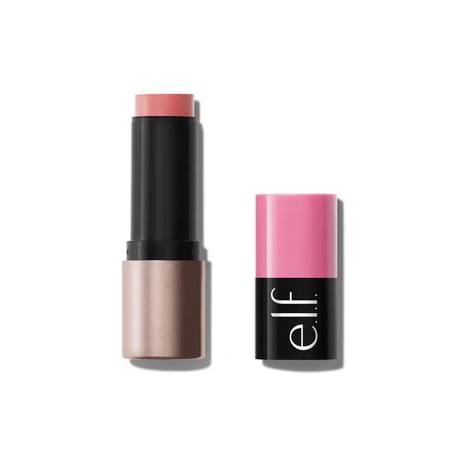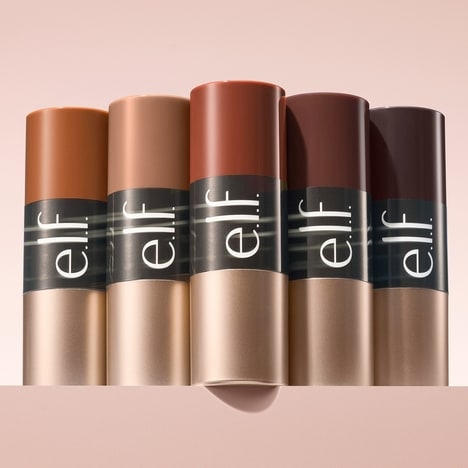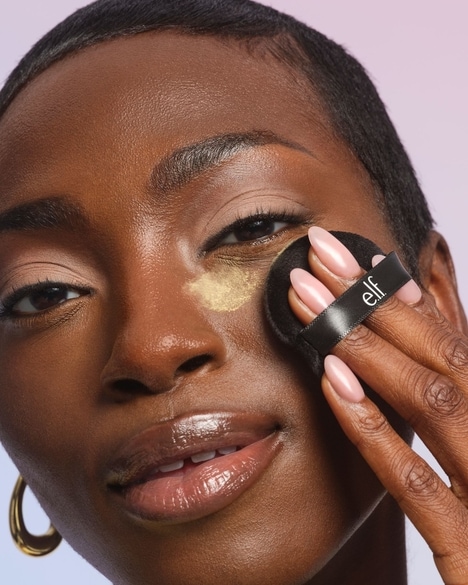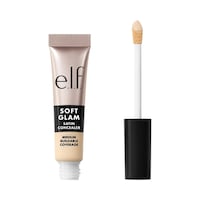
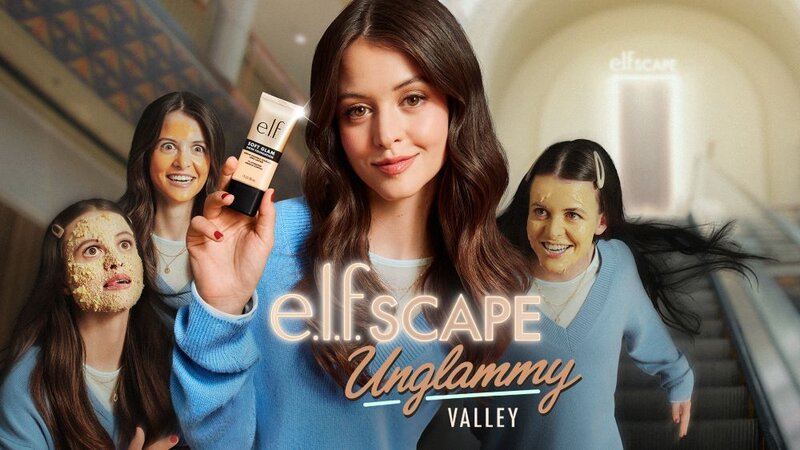
Beauty horror campaigns are transforming common makeup frustrations into entertainment-driven advertising that connects product benefits with relatable consumer experiences. e.l.f. Cosmetics’ “Unglammy Valley” campaign uses horror and humor to dramatize cakey foundation and mismatched shades, with actress Sara Waisglass presenting Soft Glam Satin Foundation as the solution. The campaign extends across television, streaming, YouTube, social media, influencer content and immersive activations. e.l.f. is also integrating its Soft Glam collection into AI-powered virtual closet platform Alta, which can recommend beauty products alongside users’ outfits.
The approach gives e.l.f. multiple ways to promote an existing product beyond conventional beauty advertising. Turning foundation problems into comedic entertainment can encourage social sharing and strengthen product recognition, while the Alta partnership connects cosmetics with personalized digital styling. Together, these elements allow e.l.f. to reach consumers across entertainment, fashion and beauty-tech touchpoints while reinforcing its accessible brand positioning.
Image Credit: e.l.f. Beauty
Key Themes Behind This Trend
- Beauty Horror Marketing
- Everyday cosmetic frustrations are becoming genre-led entertainment assets, creating white space for brands to convert product problems into memorable, shareable storytelling.
- AI Styling Commerce
- Personalized platforms that pair outfits with beauty recommendations are expanding the role of AI from discovery into cross-category purchasing influence.
- Immersive Product Storytelling
- Campaigns spanning streaming, social content, influencers and activations are reshaping launches into multi-touch experiences that deepen recognition beyond traditional ads.
Where This Applies
- Cosmetics
- Makeup brands are finding new differentiation in campaigns that dramatize functional benefits through humor, culture and relatable consumer pain points.
- Advertising
- Entertainment-led creative formats are opening opportunities for agencies to merge genre conventions with performance-driven product messaging.
- Fashion Technology
- Digital styling ecosystems are positioning beauty products as part of complete personal looks, broadening monetization potential across fashion and cosmetics.