
Category
Fashion
Occasion Chromatics
Beauty lines tailor daily care to changing skin states and life stages.
What's Happening
Trigger Mapping: Skincare launches increasingly address specific triggers, including stress sensitivity, hormonal changes and skin barrier disruption, rather than broad beauty goals. Brands combine targeted ingredients with treatment-inspired serum formats to position daily care as more specialized. Multifunctional formulas also bring comfort, texture improvement and repair claims into streamlined routines; pushing beauty closer to a derm-inspired models.
Why It's Happening
Consumers increasingly face skin concerns that fluctuate with stress, hormonal changes and daily conditions, making trigger-specific products easier to understand and select. As ingredient awareness grows, shoppers expect brands to explain how formulas work and justify their claims. Yet demand for targeted solutions does not necessarily translate into a willingness to adopt complicated routines. Brands can bridge this gap by connecting specialized ingredients to recognizable skin changes and demonstrating how effective, multifunctional care fits naturally into everyday habits, without added complexity.
Evidence
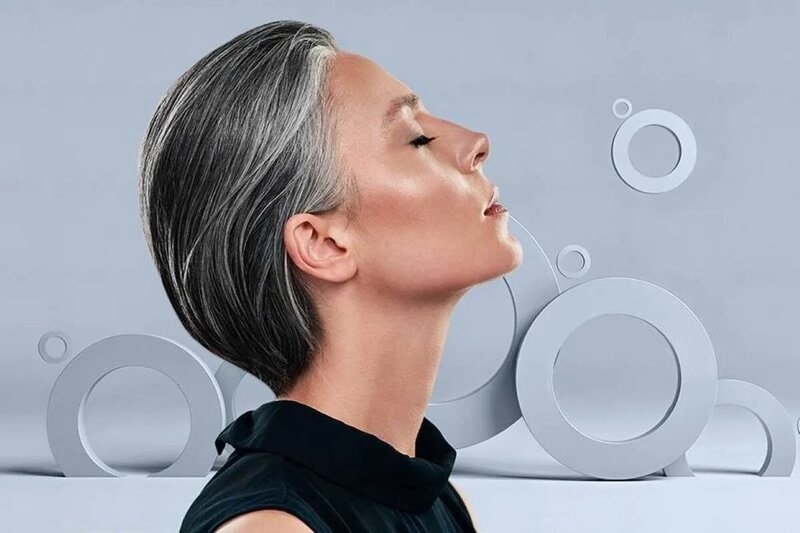
SILAB Uses Marshmallow-Derived Active for Menopausal Skin
Targeted menopausal formulations expand the category beyond age-based claims toward condition-specific routines backed by measurable skin barrier and pigmentation benefits.
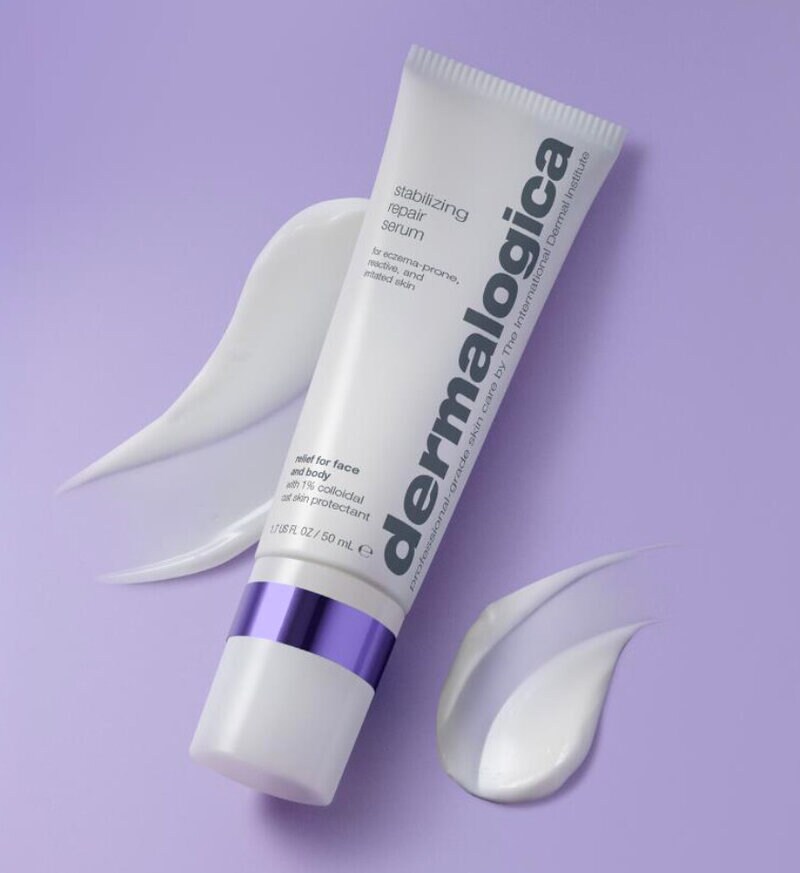
Dermalogica Launches the Stabilizing Repair Serum in Canada
Sensitive-skin specialization is expanding premium skincare beyond cosmetic benefits into relief-focused, clinically inspired daily repair solutions.
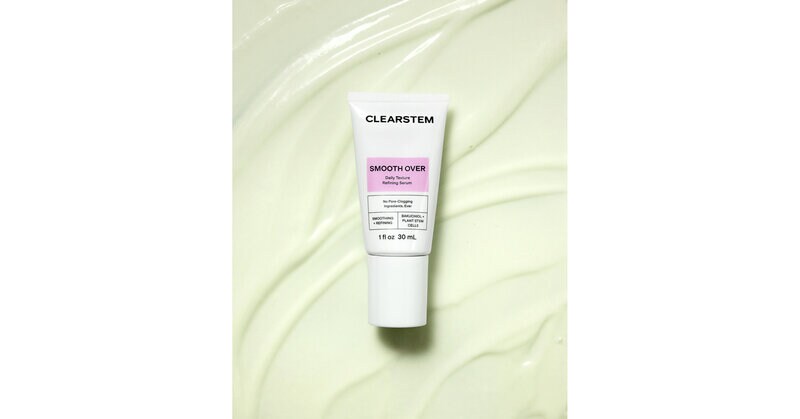
CLEARSTEM Packs SMOOTH OVER with Bakuchiol and Peptides
Clinical claims, peptide complexes, and multi-benefit positioning are reshaping product development toward high-performance treatments designed for simplified routines.
Mibelle Derives PhytoCellTec Aloha from Waltheria Indica
Clinical-grade stress-responsive ingredients are reshaping product development around redness reduction, blemish control, and barrier reinforcement.
Workshop question
How could your brand translate complex or changing consumer needs into simpler trigger-based solutions?
Trajectory
Latest reading 8.5 for the week of Nov 9, 2026. Holding over the final 3 scored weeks (±0.0), −0.3 from its peak of 8.8 in the week of Oct 19, 2026. Momentum 7.0/10, persistence 2.5/10, backed by 4 research findings.
14 Trend Hunter articles were grouped into the wider weekly cluster this trend was identified in, over 2 weeks.
 Science-Driven Skincare ExpansionsPROYA Brings Advanced Skincare Formulas to Ulta Beauty
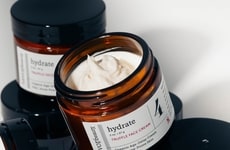 Truffle-Forward Face CreamsSavor Beauty Spotlights Its Nourishing Truffle Face Cream
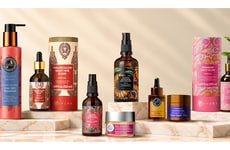 Modern Ayurvedic SkincareThe Ayurveda Experience Blends Traditional Herbs with Modern Science
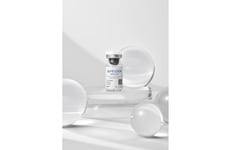 Biostimulator Skincare SerumsJUVELOOK Brings Korean Aesthetic Technology to U.S. Clinics
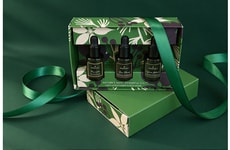 Curated Holiday Skincare SetsPomifera Launches Botanical Skincare Collections for Holiday Gifting
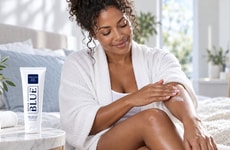 Liposomal Longevity CreamsRenue By Science Highlights NAD+ Body Cream Results
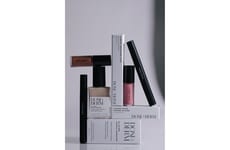 Skin Longevity FoundationsDOSE (OF) DERM Combines Makeup with Clinical Skincare
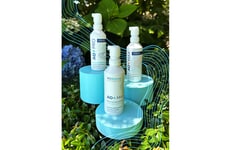 Concentrated Probiotic MistsAOBiome Introduces Stronger AO+ Skincare Formulas
 Multi-Technology Pore Care DevicesSHURINK HOME's ZAP PORE SHOT Combines Three Technologies
 Single-Filter UV SunscreensNeutrogena Brings Bemotrizinol SPF Formulas to U.S. Shelves
Research
Lab Talk Luxury
Many beauty shoppers still want aspiration, but they increasingly want it wrapped in the language of proof.
Lab-coded storytelling lets brands justify higher prices and make vanity purchases feel rational, especially in a market where consumers are more ingredient-literate and skeptical of fluff.
Bioactive Beauty
In a beauty market full of vague miracle language, mechanism-heavy science offers reassurance.
Consumers increasingly use biomedical specificity as a proxy for seriousness, especially when products carry premium pricing or promise longevity, firmness, or visible structural change.
Cell-Level Claims
Consumers increasingly associate scientific depth with credibility.
Cell-level language matters because it gives brands a more defensible way to promise results, especially as shoppers grow more ingredient-literate and less persuaded by vague glow or radiance claims.
Smart Vanity Scan
Consumers increasingly expect beauty products to behave more like measurable tools than aspirational cosmetics.
Real-time scanning matters because it promises scientific precision, reducing guesswork around skin condition, product fit, and treatment timing. In a category crowded with claims, diagnostics become a shortcut to trust.