



Category
Tech
Delegated Interfaces
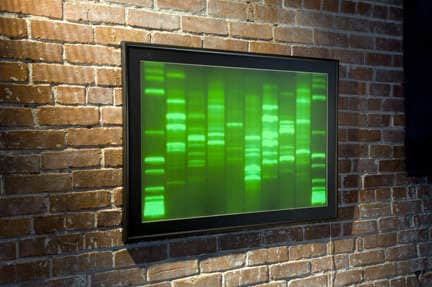
Genetic DNA codes provide the ultimate in exclusivity and individuality.

Trend
Getting Personal With DNA: Description - Consumers can now showcase DNA as personal artwork or infuse it into cosmetics such as perfumes. Other innovations allow in-depth analysis of an individual’s genetic makeup including personal DNA scanner and genealogy services that track ancestry.
Implications - People are increasingly enamored by the mystery of genetic code. In a world where exclusivity and individuality is in demand, there is nothing more unique than a person’s DNA.
Trend themes
Consumers are increasingly interested in showcasing their individual genetic codes through art, cosmetics, and personalized services.
Innovations in DNA visualization and analysis allow for individualized, interactive representations of genetic code.
Web-connected consumers interested in genealogy and ancestry are taking advantage of DNA sample analysis services.
Industry implications
DNA codes can be utilized as a unique medium for personalized art and product design.
Cosmetics and health-related products can be customized based on an individual's genetic code.
Companies offering DNA scanner and genealogy services are a part of the larger genetic testing and analysis industry.
Trend signals
Trend score 3.9 out of 10, from popularity 51%, activity 59%, freshness 8%.
Evidence
DNA GloFrame
The integration of personalized DNA art creates new opportunities for artists and collectors to innovate and explore new avenues for self-expression.
Utilizing personality visualizations to help individuals gain self-awareness and personal growth.
Send in a DNA Sample to Track Your Ancestry
Genealogy companies have the opportunity to grow and innovate by offering convenient and comprehensive online platforms for tracing family history.






