Category
Fashion
Inclusive Formulas
Beauty lines apply facial-care science to more routines.
Trend
Formula Specialization: Beauty brands are extending treatment-driven formulation cues beyond facial skincare into hand care, hair care, and cleansing bars. Everyday products are adopting serum-like positioning and more targeted benefits, reflecting K-beauty’s blend of cosmetic refinement and skincare technicality. As a result, cleansing, treatment, and maintenance are increasingly overlapping.
Trigger
Consumers are encountering more beauty categories that promise targeted support rather than basic upkeep, making each step in a routine feel more purposeful. At the same time, shoppers increasingly expect body, hand, and hair products to demonstrate the formulation care once associated primarily with facial skincare. As routines become more selective, traditionally lower-attention categories face greater pressure to justify their place through clear benefits, specialized ingredients, and performance cues that make everyday maintenance feel more intentional and worthwhile in everyday routines.
Workshop question
Trajectory
Latest reading 8.2 for the week of Sep 28, 2026. Holding over the final 3 scored weeks (±0.0), −0.2 from its peak of 8.4 in the week of Sep 21, 2026. Momentum 6.4/10, persistence 5.0/10.
Evidence
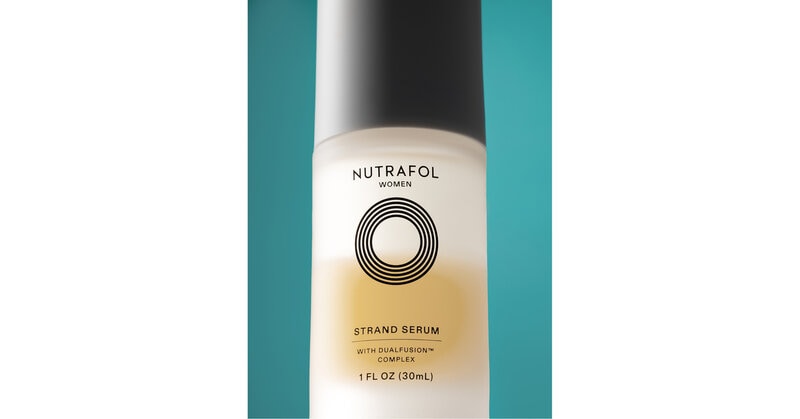
Nutrafol's Strand Serum Strengthens Hair from Cortex to Cuticle
Science-backed serums with clinical breakage and split-end claims can shift the category from surface smoothing toward deeper strength and resilience benefits.
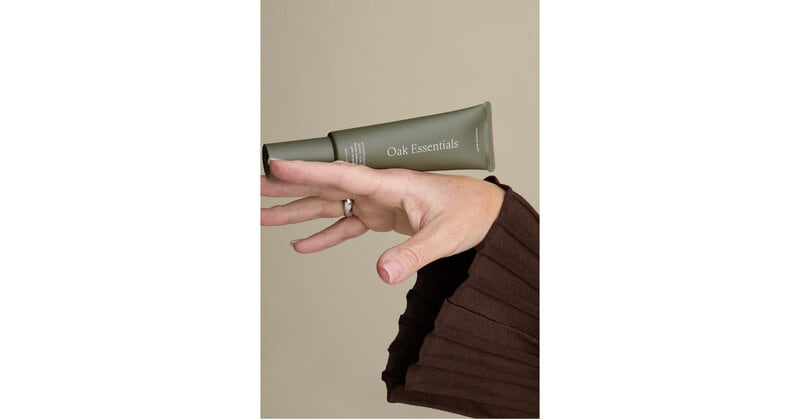
Oak Essentials Brings Facial Skincare Actives to Hands
The category is shifting toward specialized, premium solutions that blur the line between skincare and body care, allowing brands to differentiate mature segments like hand creams.
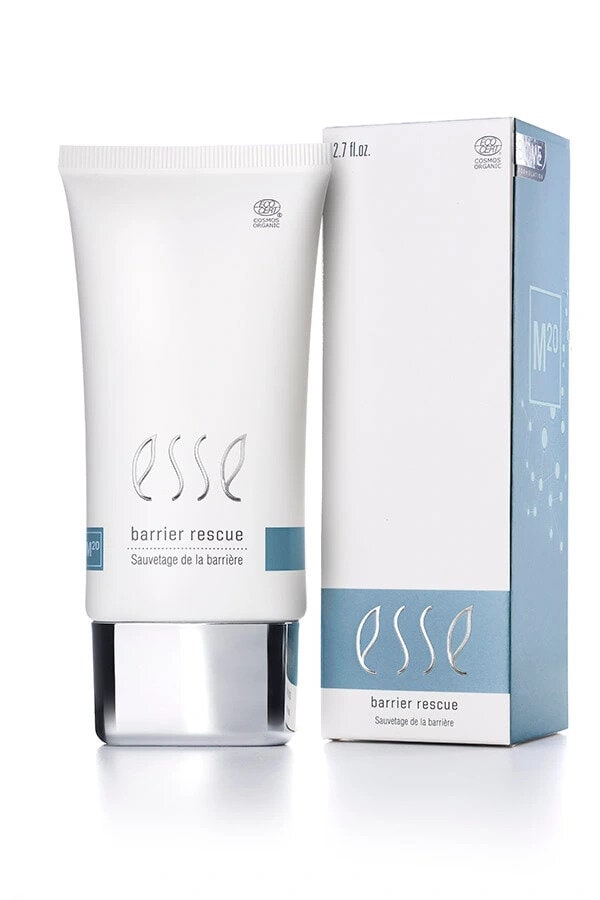
Esse Uses Bio-Based Propionic Acid in Barrier Care
Premium skincare brands can use fermentation-derived ingredients to create cleaner-positioned products for sensitive and dry skin concerns.
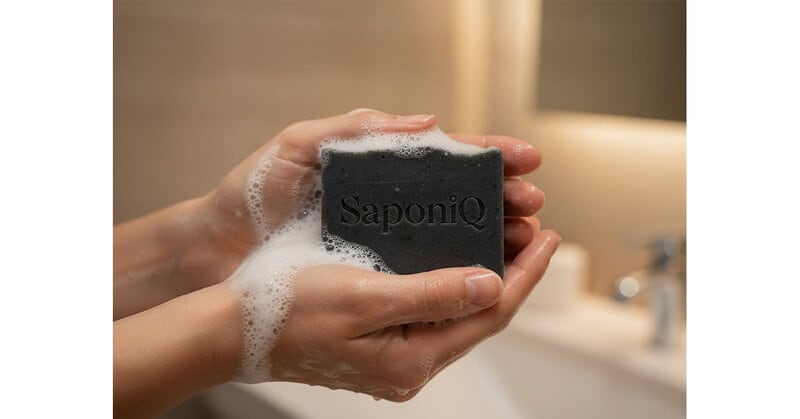
SaponiQ Brings Botanical Actives into Everyday Cleansing
Botanical active integration in daily-use products expands differentiation for brands seeking functional benefits beyond basic hygiene.
Innosya Applies Fermentation Science to Cosmetic Formulas
Beauty manufacturers gain access to alternative active ingredients that support anti-aging claims while addressing consumer expectations for cleaner and more sustainable formulas.
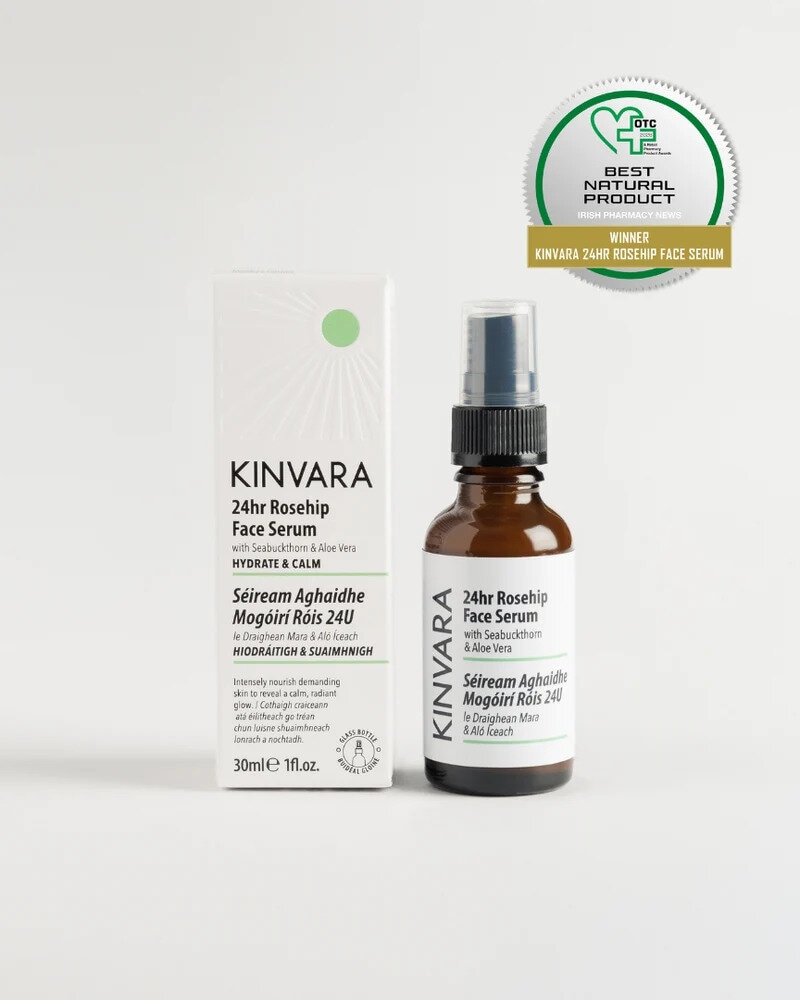
Kinvara Skincare's 24Hr Rosehip Face Serum Offers Reparative Care
The category is being shaped by consumers who associate plant-based ingredients with gentler, reparative alternatives to conventional active-led products.

RIMAN Introduces Araliadiol from Its Protected Centella Cultivar
Proprietary botanical ingredients introduce new pathways for brands to separate anti-aging, calming, and barrier-care products from increasingly commoditized natural formulations.
11 Trend Hunter articles were grouped into the wider weekly cluster this trend was identified in, over 3 weeks.
 Volumizing Lip EmulsionsThe Ordinary's HA + Asiaticoside Lip Treatment Provides a Natural Plump
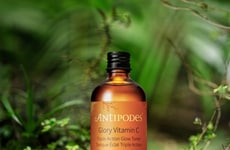 Triple-Action Glow TonersAntipodes Boasts the Glory Vitamin C Triple-Action Glow Toner
 Vertically Integrated BeautyOlive Tree People Controls Ingredients From Grove to Formula
 Cooling Sun CareKolmar Korea Introduced Cooling Sun Essence