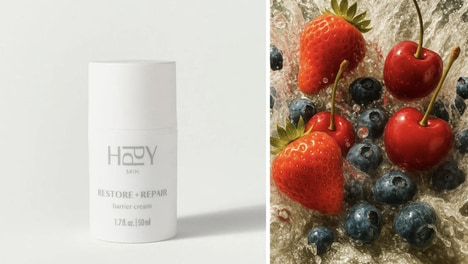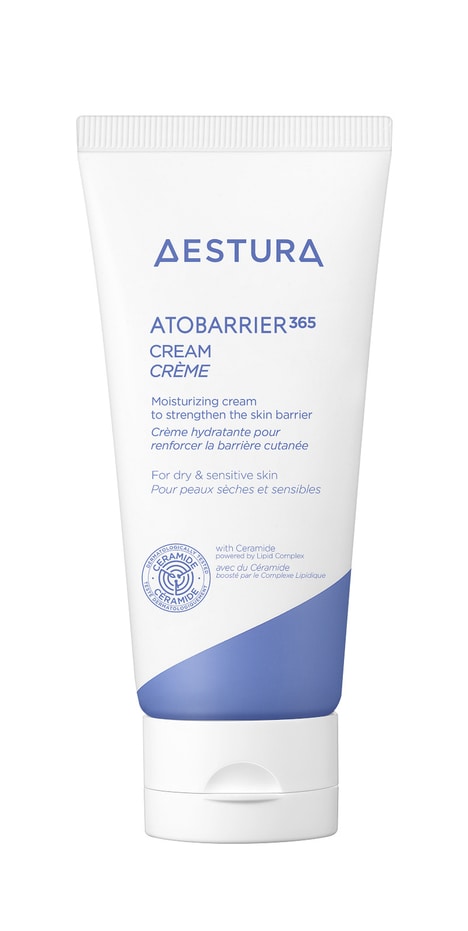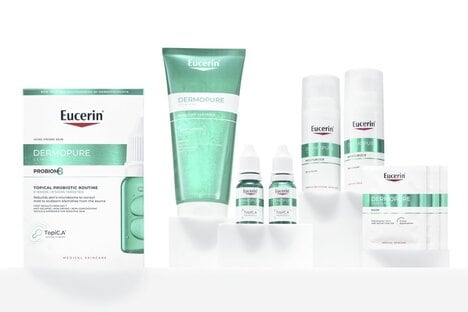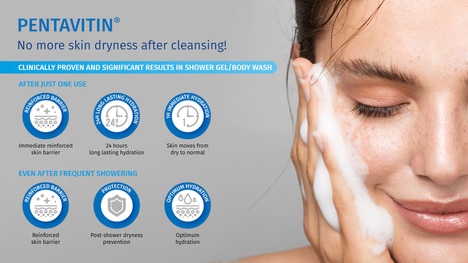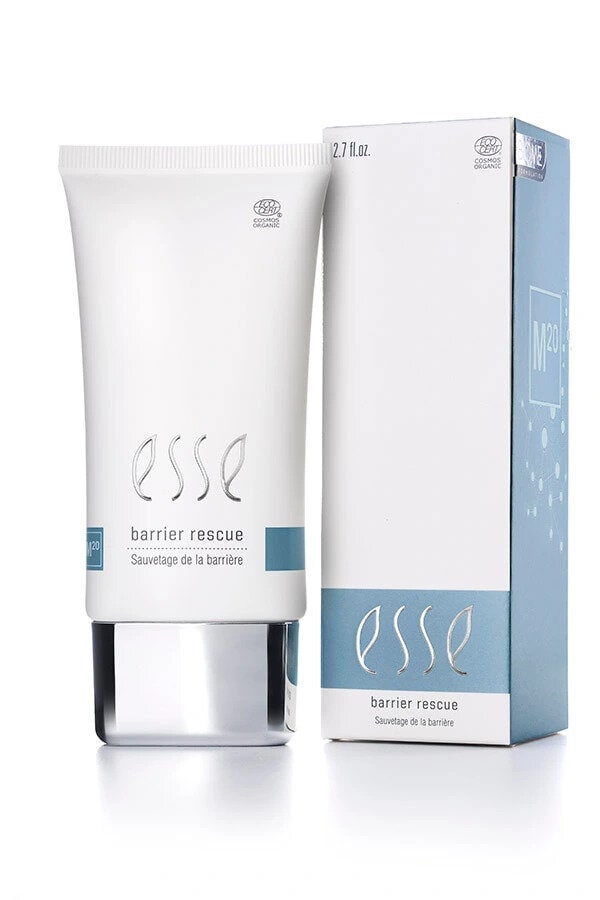
Esse Skincare is bringing fermentation-derived ingredients into barrier care with Esse Barrier Rescue, a moisturizer formulated with AFYREN’s bio-based propionic acid. Traditionally produced at industrial scale from petrochemical sources, the propionic acid used here is made through AFYREN’s natural fermentation process and is COSMOS-certified. The moisturizer combines the short-chain fatty acid with ceramides to support extremely dry and reactive skin while maintaining the skin’s natural ecosystem.
The partnership demonstrates how biotechnology can give beauty brands access to familiar compounds produced through alternative, bio-based processes. For Esse, the ingredient reinforces its microbiome-focused positioning while differentiating Barrier Rescue within premium barrier skincare. For AFYREN, a globally available consumer product provides a commercial showcase for its fermentation platform, potentially encouraging other cosmetics manufacturers to incorporate its bio-based organic acids while expanding the company’s opportunities within personal care.
Image Credit: Esse Skincare
What's Driving This Trend
- Fermentation-derived Actives
- Biotechnology-enabled production of familiar skincare compounds introduces lower-petrochemical ingredient pathways that can differentiate premium formulations.
- Microbiome Barrier Care
- Skin barrier products that combine ceramides with ecosystem-supporting acids reflect growing demand for reactive-skin solutions rooted in microbiome science.
- Bio-based Ingredient Substitution
- Replacing conventional petrochemical inputs with certified bio-based alternatives creates new value in sustainability, traceability, and performance storytelling.
Who This Affects Most
- Beauty and Personal Care
- Premium skincare brands can use fermentation-derived ingredients to create cleaner-positioned products for sensitive and dry skin concerns.
- Industrial Biotechnology
- Consumer-facing cosmetics provide fermentation platform companies with visible commercial proof points for scaling bio-based organic acid applications.
- Specialty Chemicals
- The shift toward renewable production routes expands opportunities for chemical suppliers to reformulate legacy compounds for high-value personal care markets.