Category
Business
Assisted Conversion
Gamified apps test people's understanding of the "fake news" epidemic.


Trend
Faux Play: Apps that give consumers the opportunity to better detect "fake news" are on the rise. As the epidemic of fake news becomes a growing concern, brands are ensuring that consumers are able to tell the difference between what's real and what's fake online. The gamification of this process provides an added incentive for consumers to gain knowledge on the subject of digital misinformation.
Insight
Though for many, it's been easy to tell the difference between reality and falsehoods online, the distinction is becoming harder to detect due to the sophisticated technology in this space, and growing persistence from the forces that are attempting to spread fake news. Due to these conflicts, consumers are looking for ways to become more adept at detecting this form of misinformation, as many of their professional and educational habits now take place online.
Trend themes
As the epidemic of fake news becomes a growing concern, brands are ensuring that consumers are able to tell the difference between what's real and what's fake online by gamifying the process.
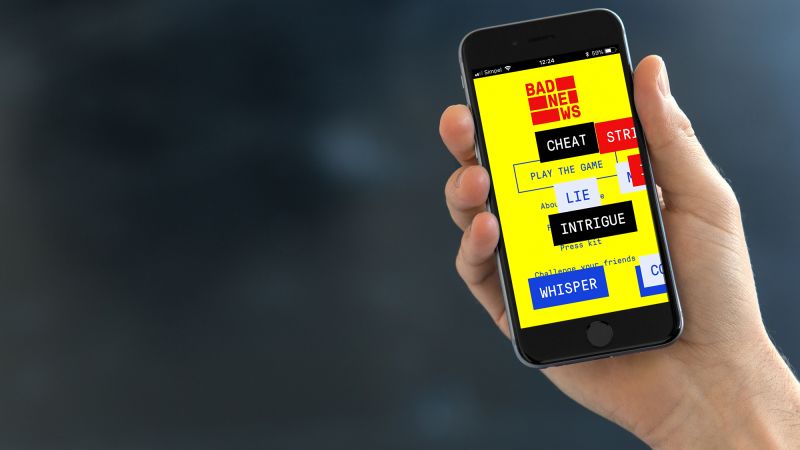
Trend Hunter Robot has identified an increase in simulation games that help people understand misinformation, including games like 'Bad News'
Games like 'Game For Our Lives' are being developed to raise awareness of important social and political issues, and these types of games could offer disruptive innovation opportunities for advocacy and activism.
Industry implications
The gamification of identifying fake news or spreading awareness of important social and political issues could offer new opportunities in the gaming and entertainment industry.
Simulation games like 'Bad News' may help the media and journalism industry to better inform the public about misleading or fake news articles.
Gamification of identifying fake news could offer new opportunities for brands and marketers to raise awareness or promote media literacy.
Workshop question
Trend signals
Trend score 3.4 out of 10, from popularity 59%, activity 35%, freshness 9%.
Evidence
'Bad News' Hopes to Stop Misinformation By Teaching People How It Works
The Bad News game presents an opportunity for media organizations to develop educational tools and games that promote media literacy and critical thinking.
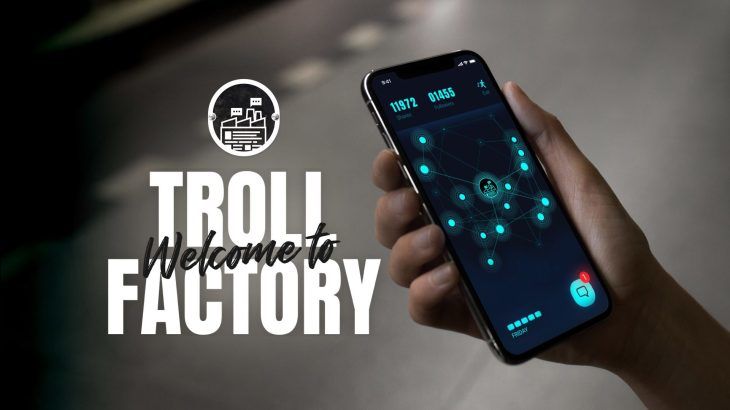
The Troll Factor Game Focuses on Understanding the Spread of Fake News
The troll-themed virtual game industry presents disruptive innovation opportunities for game developers to create engaging gameplay experiences that also educate players on social…
Factitious Tests Players' Ability to Detect False News Articles
Opportunity for tech companies to develop advanced algorithms and AI-powered solutions for detecting and debunking fake news.
Game For Our Lives Raises Awareness For The Changing of Gun Control Laws
The development of video games like Game For Our Lives provides a platform for creative expression and powerful storytelling.