



Category
Lifestyle
Assisted Choices
Boomers tackle burdensome nutritional consumption with experimentation.
Trend
Experimental Fiber: Adding an element of excitement to dietary routines, consumers are introducing nutrients and protein sources to more familiar, mainstream foods. Reflecting a desire to have the "best of both worlds," consumers are experimenting with food forms and ingredients to not only add in nutrients, but also add excitement to otherwise bland foods.
Trend themes
Consumers are adding ingredients that add nutrients, such as probiotics to everyday foods
Beans are being used as an alternative base to traditional dishes due to their high in plant-based protein and fiber
Brands are creating new gluten-free options to accommodate those with food allergies and who are looking for a healthier alternative
Industry implications
Brands can innovatively trial and add nutrients that enhance everyday foods to attract health-conscious consumers
Functional food bowls and packaged lunches offer the opportunity to include plant-based proteins to create nutritious, filling meals
Consumers with gluten or allergy concerns need more gluten-free snack options and could benefit from healthier gluten-free options
Workshop question
Trend signals
Trend score 3.2 out of 10, from popularity 46%, activity 43%, freshness 8%.
Evidence
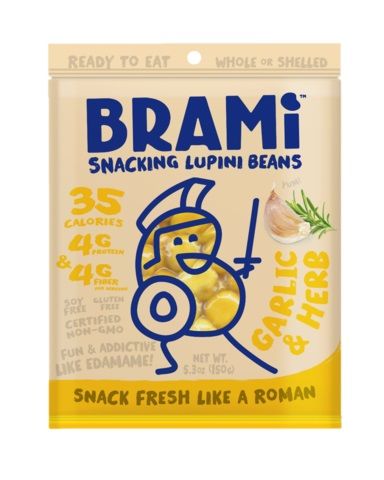
Brami's Lupini Bean Snack Comes in Four Protein-Rich Varieties
The trend of convenient and flavorful bean snacks presents disruptive innovation opportunities for companies in the snack industry to diversify their product offerings.
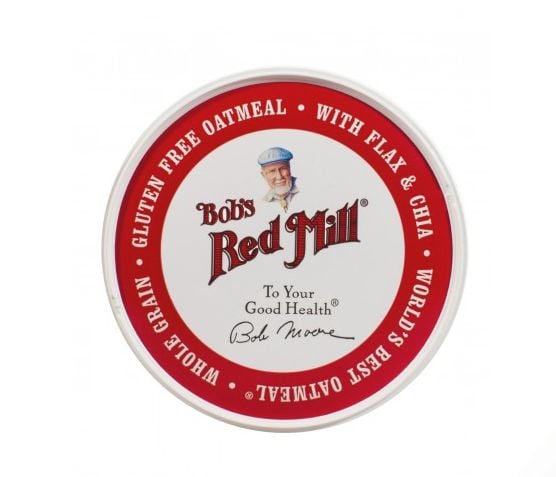
Bob's Red Mill Oatmeal Cups Come In a Variety of Tempting Flavors
Manufacturers that focus on creating nutritious and flavorful cereal options will have an advantage in the competitive breakfast food industry.
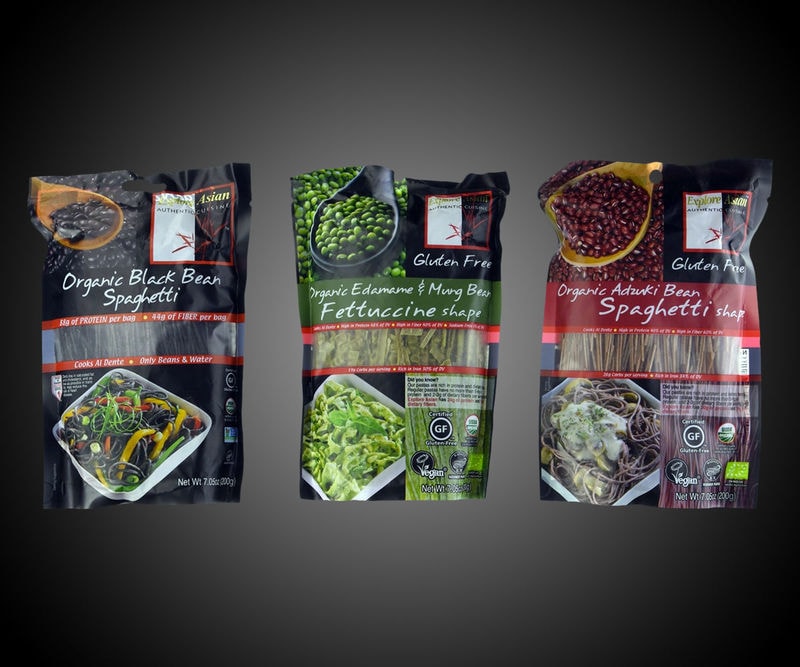
The Explore Asian Gluten-Free Bean Pasta is Packed with Protein
The increasing demand for high-protein food options aligns with the growth of the health and wellness industry.
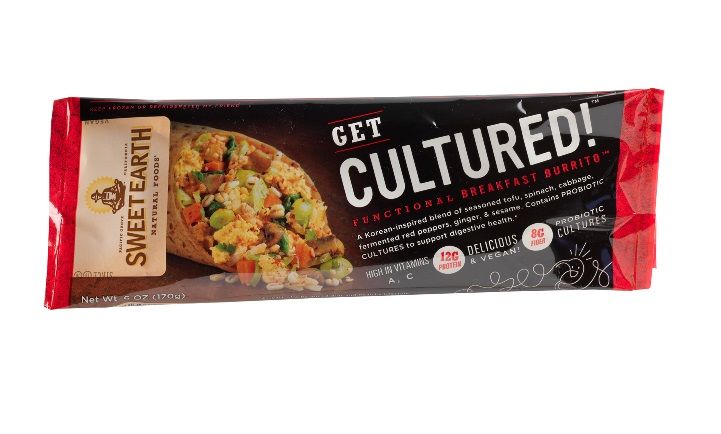
Sweet Earth's Healthy Burritos Have Probiotics for Easy Digestion
The development and marketing of Sweet Earth's functional burrito line, including their probiotic 'Get Cultured' option, presents opportunities for innovation and growth in the fr…
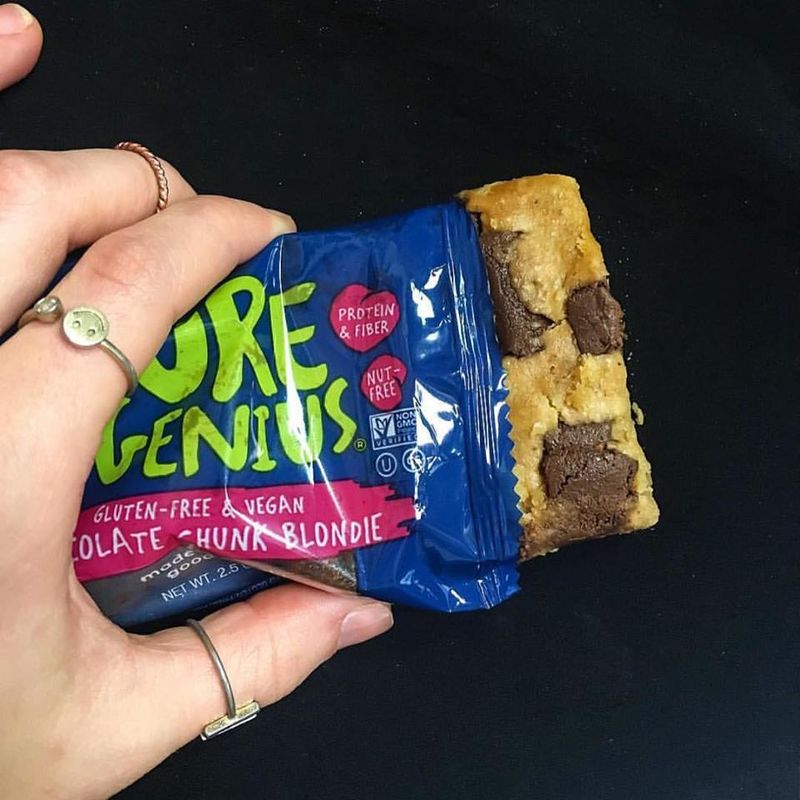
Pure Genius' Garbanzo Bean Brownies are Made with Nutritious Ingredients
Food companies can capitalize on the trend of healthier desserts with bean-based ingredients.






