



Category
Tech
Delegated Interfaces
Memory-boosting tools come in experiential game formats.


Trend
Experiential Memory: Brands are aiming to enhance cognitive function and memory by giving consumers tech-driven, experiential platforms through which they're able to practice and improve their memory-based skills.
Insight
For people with medical issues like the early stages dementia, innovative technologies can be key in treating their various symptoms. Technology’s impact on accessibility is vast and still-progressing, and consumers are increasingly seeking out both functional and entertainment-focused ways of bettering themselves.
Trend themes
Brands are creating tech-driven experiential platforms to enhance cognitive function and memory, providing both functional and entertainment-focused ways to better oneself.
Brain apps like BrainHQ customize mental training tests that increase the neurotransmitter acetylcholine to boost memory and reduce the chances of Alzheimer's disease.
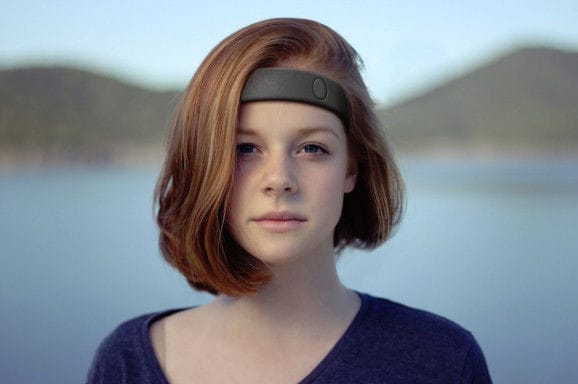
Innovative wearables like the Humm headband use electrical stimulation to temporarily stimulate the part of the brain responsible for improving memory and learning for Esports players and other memory-intensive applications.
Industry implications
The impact of technology on accessibility is vast and still-progressing, providing numerous opportunities for innovative memory-boosting tools.
Neurotransmitter-boosting apps and biohacking wearables have high potential for further medical applications beyond memory improvement.
Esports and gaming have been quick adopters of memory-enhancing technologies, with potential for harnessing memory-boosting tech en masse.
Workshop question
Trend signals
Trend score 3.5 out of 10, from popularity 58%, activity 40%, freshness 8%.
Evidence
The Humm Headband Uses Electrical Signals to Improve Gameplay
The Humm headband offers significant disruption opportunities to the gaming industry as it gives players a cognitive edge, potentially changing the way gamers approach competitive…
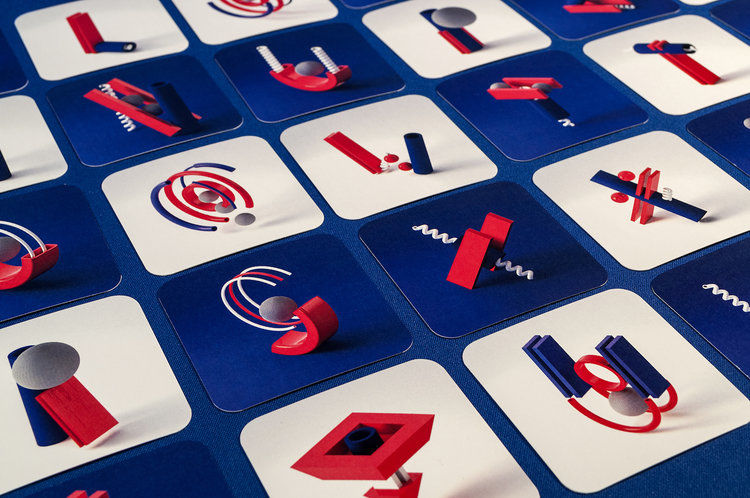
'ReMory' is a Memory Card Game That Challenges with Visual Patterns
There is an opportunity for companies that focus on cognitive training or cognitive coaching programs to use card games as a tool to help people improve their cognitive skills and…
The 'BrainHQ' App Raises Acetylcholine Levels to Aid Memory
Developing innovative healthtech solutions specifically aimed at improving brain function and mental health.
BikeAround Uses Google Street View to Assist People with Dementia
BikeAround's innovative technology presents an opportunity for the healthcare industry to develop new treatments and therapies for neurodegenerative diseases such as Alzheimer's.






