



Category
Lifestyle
Assisted Choices
"Millennial pink" is now being adopted into food and beverage products.
Trend
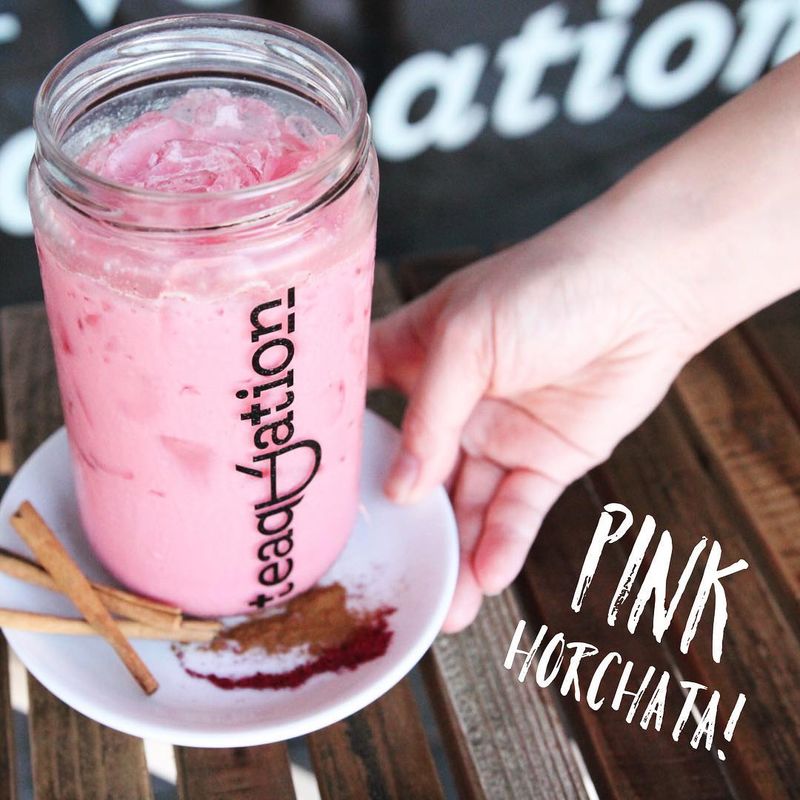
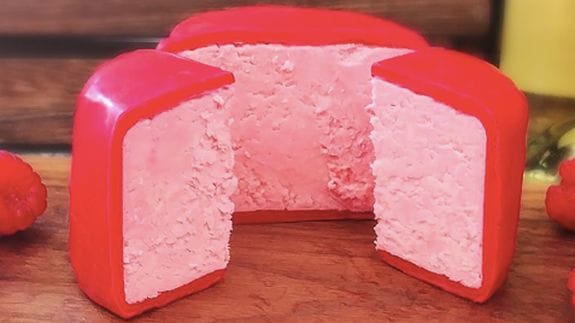
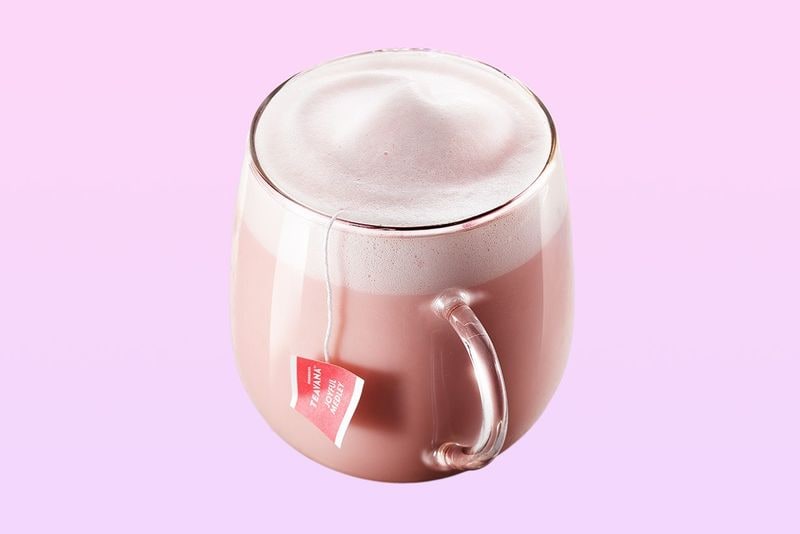
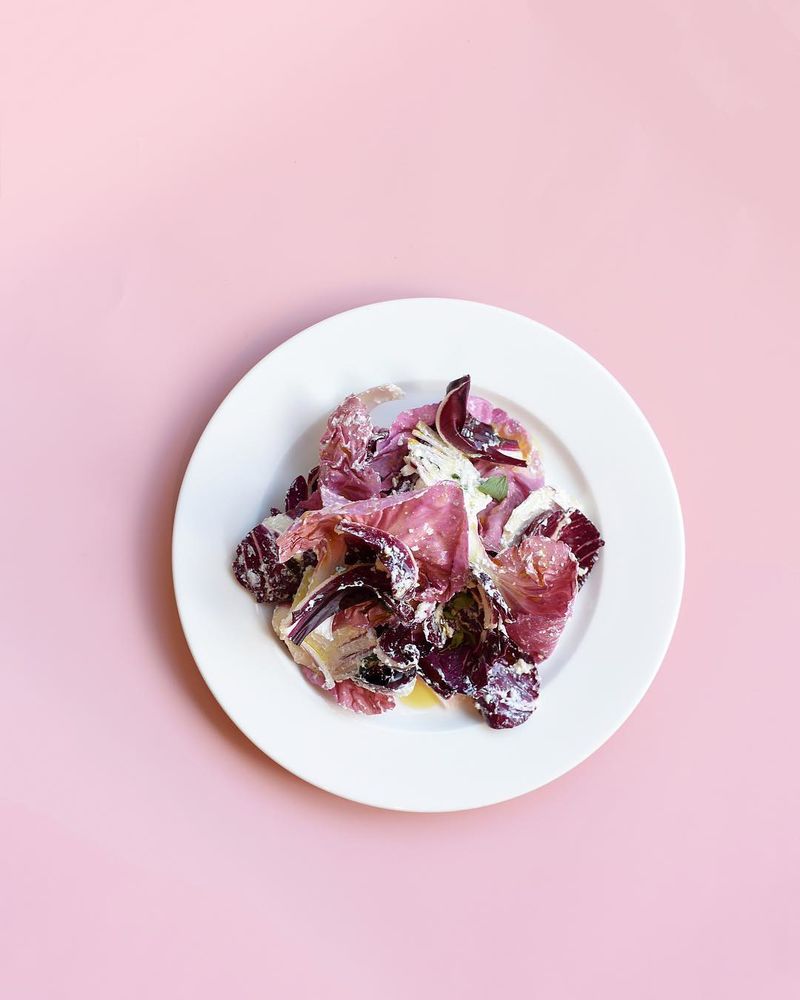
Edible Pink: The pale color that's been dubbed as "Millennial pink" and has seen a boost in popularity in branding and clothing items, can now be seen as the primary color in edible products. The pale pink hue's adoption into the food and beverage category offers shareable products for Millennial and Gen Z demographics – resulting in effortless engagement that benefits the businesses' marketing strategies.
Trend themes
The trend of using 'millennial pink' color in food and beverages products to engage Millennial and Gen Z demographics.
The shift towards food and beverage products that are first and foremost aesthetically pleasing, resulting in consumer engagement.
The trend of offering dishes made with exclusive and seasonal ingredients such as pink radicchio, to cater to the demand for photogenic food.
Industry implications
Companies in the food and beverage industry can leverage the trend of using 'millennial pink' color to create visually appealing products that engage Millennial and Gen Z demographics.
Businesses in the hospitality industry can offer aesthetically pleasing food and beverage products to customers, enhancing their overall experience.
The agriculture industry can capitalize on the trend of offering exclusive and seasonal ingredients such as pink radicchio, in order to meet the demand for photogenic and unique foods.
Workshop question
Trend signals
Trend score 3.8 out of 10, from popularity 61%, activity 44%, freshness 8%.
Evidence
This Teaquation Cafe Beverage is Colored by Red Prickly Pear Juice
Cafes and eateries can capitalize on the trend by introducing visually appealing food and beverage products.
This Wensleydale Cheese Balances Sweet, Savory and Acidic Flavors
Innovation opportunities in creating new flavors, packaging, and products in the food and beverage industry.
Starbucks Japan's Valentine's Day Drink is Dubbed the Pink Medley Tea Latte
The food and beverage industry can benefit from introducing unique and visually appealing products to attract customers during seasonal events such as Valentine's Day.
NYC's 'King' Serves a Salad of Pink Lettuce, Ricotta, Marjoram and Walnuts
The food and beverage industry can innovate by developing new products or experimenting with unique color combinations and exclusive seasonal ingredients that cater to the growing…
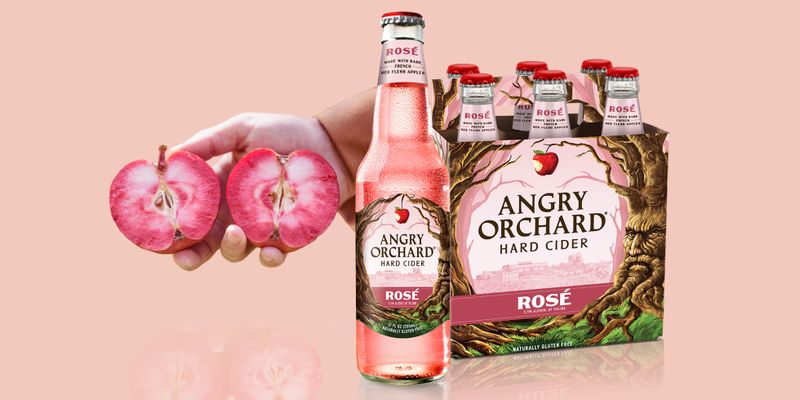
Angry Orchard Rosé Puts a Millennial Pink Twist on Hard Cider
The growth in demand for pink drink options presents an opportunity for hard cider brands to attract younger consumers with unique and trendy flavor offerings.






