
Category
Lifestyle
Assisted Choices
Expensive products designed to be discarded mark an acceptance of excess.
Trend
Disposable Luxury: The notion of disposable income has a new meaning as the luxury-obsessed opt for single use products that feature lavish stylings. This statement of ultra-excess pushes against luxury goods as investments and acknowledges the lengths retailers must reach to satiate international luxury product demand.
Trend themes
Consumers with disposable income are choosing single-use luxury items as a statement of ultra-excess against established luxury products.
High-end fashion brands are constantly pushing the boundaries of luxury, producing accessories with opulent materials at exorbitant prices.
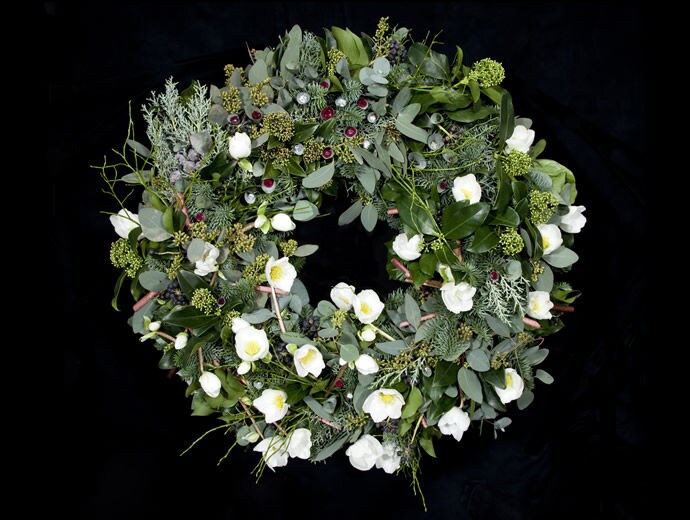
Customers are looking for over-the-top options for special moments like Christmas and are willing to pay significant sums for luxury holiday decorations.
Industry implications
Luxury brands and retailers should consider offering single-use luxury items to appeal to ultra-high net worth customers.
Luxury fashion brands should explore producing ultra-expensive accessories made from opulent materials to further establish their dominance in the luxury market.
Florists and designers can tap into the holiday decoration market by creating high-end wreaths and other luxury decorations with rare blooms and precious stones.
Trend signals
Trend score 5.7 out of 10, from popularity 84%, activity 78%, freshness 8%.
Evidence
The World's Most Expensive Christmas Wreath is Strung with Rubies
The luxury goods industry can tap into the demand for high-end Christmas decorations by offering exclusive and exquisite holiday ornament collections.
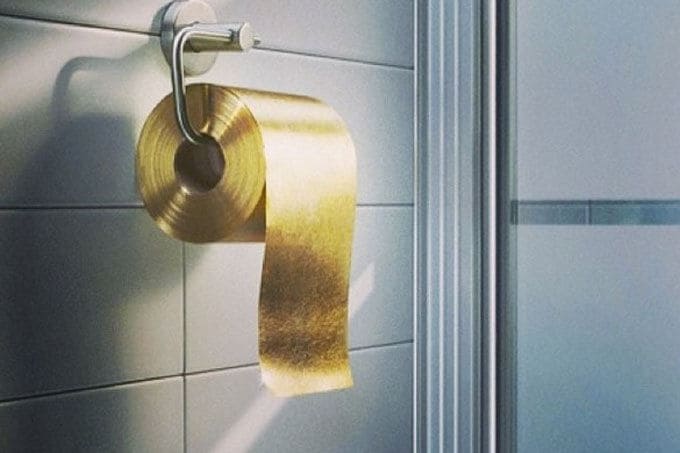
22 Carat Gold Toilet Paper Roll is the Most Expensive Disposable Item
Disruptive innovation opportunity: Incorporate innovative materials and designs into luxury goods to attract affluent consumers.
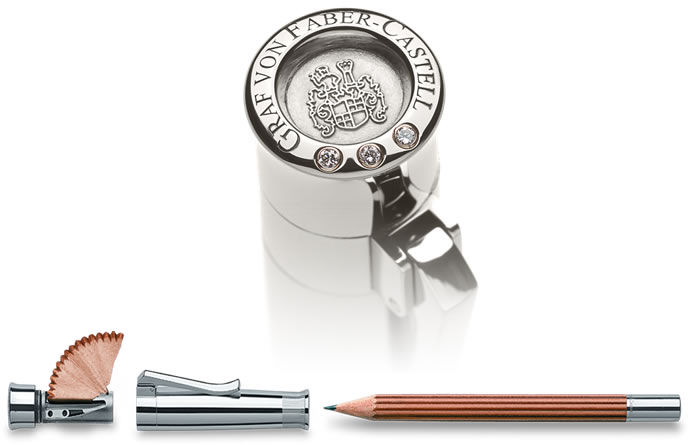
The Graf Von Faber-Castell Pencil is Immensely Pricey
The luxury goods industry can further innovate by exploring new and unique products that use expensive materials such as gold and diamonds.
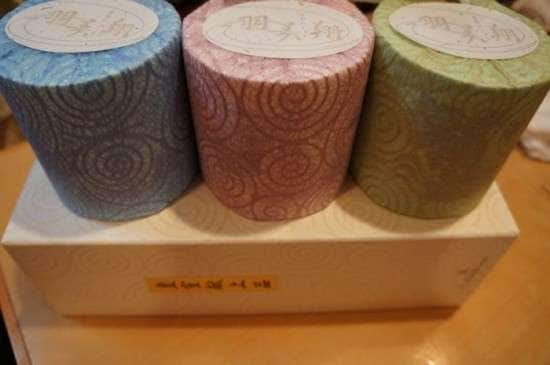
Chic Japanese Toilet Paper Priced at $17 a Roll
With the growing demand for luxury goods in the home, manufacturers of home goods can explore toilet paper as a design-led product.
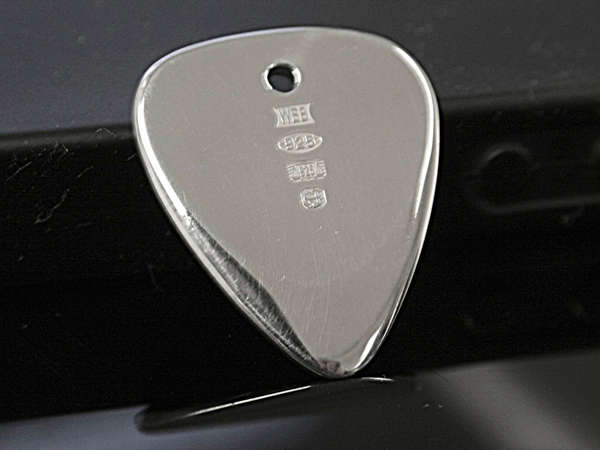
These Fancy Guitar Picks by Timber Tones are for Luxury Guitarists
The musical instruments industry could explore the production of high-end guitar accessories to cater to the demand for luxury options.