Category
Business
Assisted Conversion
Consumers turn to mobile apps to make hassles of buying less cumbersome.

Trend
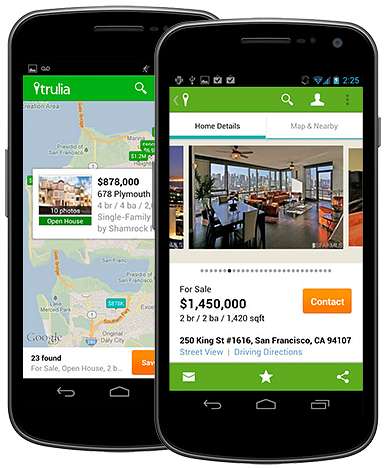
DIY Realty: While home buying serves as a significant step in the road to adulthood, the process can be complicated, especially for first-time buyers. Seeking to partake in mature experiences in a more contemporary, customized manner, consumers are turning to mobile apps to make analyzing and inspecting homes more conducive to an on-the-go lifestyle.
Trend themes
The rise of mobile real estate apps has made buying a home more convenient and accessible for consumers.
Augmented reality technology has advanced the real estate industry, allowing buyers to see and interact with properties in a more immersive way.
Technology that alerts homebuyers about potential natural disasters in the areas surrounding a property has become a growing trend in the real estate industry.
Industry implications
The real estate industry has witnessed a significant transformation due to technology and many professional individuals will have to adopt these trends to succeed.
The role of technology and its potential to innovate sectors such as real estate is constantly growing.
The increase in mobile app development for the real estate industry presents a significant opportunity for entrepreneurs looking to create disruptive innovation.
Trend signals
Trend score 3.4 out of 10, from popularity 66%, activity 29%, freshness 8%.
Evidence
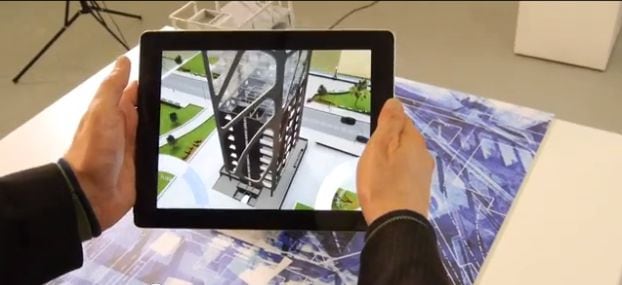
The Inition Augmented Reality App Fleshes Out Pre-Construction Properties
The real estate industry can benefit significantly from the use of augmented reality apps for pre-construction property visualization.
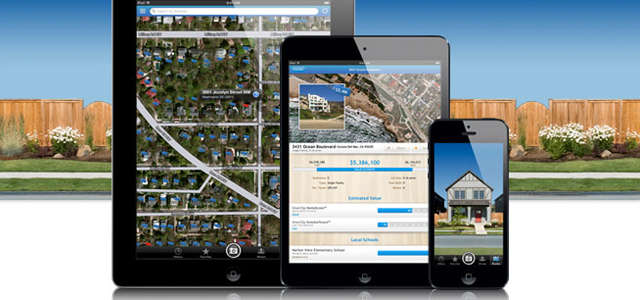
The Homesnap App Gives Users Information on a House with a Photo
The Homesnap app is a prime example of how technology can revolutionize the real estate industry, transforming the way agents and buyers gather property information.
The Layar App for Google Glass Brings Surroundings to Life
The real estate industry can leverage augmented reality to provide an innovative experience for property buyers.
The Truila App Helps Home Buyers Track Earthquakes in Their Area
As real estate apps like Trulia gain popularity, the industry will need to adapt to data-driven decision-making and preemptive homeowner tools.