
Category
Lifestyle
Assisted Choices
Low-alcohol beverages integrate more subtle flavor akin to flavored waters.
Trend
Delicate Libation: Mixers and other low-alcohol beverages tend to be negatively perceived as overly sugary to mask the alcoholic taste. However, the low-alcohol beverage consumer is no longer a person who simply dislikes the taste of alcohol, but is someone who prioritizes health. Typically, this type of healthy consumer is more familiar with the subtle flavors of non-alcoholic diet beverages. Mimicking these flavors appeases this behavioral tribe through familiarity.
Trend themes
As health and wellness become increasingly important, the trend towards low-alcohol drinks has grown, as has the focus on subtle flavors over sugary additives.
From wine to seltzers to cocktail mixers, fruit-flavored alcoholic beverages offer a refreshing twist on traditional spirits.
Consumers demand all-natural, healthier ingredients instead of super sugary beverages, leading to the rise of alcoholic beverages linked to traditional sparkling waters, juices and freshly pressed juices.
Industry implications
The beverage industry can continue to create more flavors of low-alcohol and fruit-flavored beverages with all-natural ingredients to appeal to consumers interested in health and wellness.
The wine industry can market their products to younger audiences through the creation of sparkling fruit wines with lower alcohol contents perfect for summery sipping.
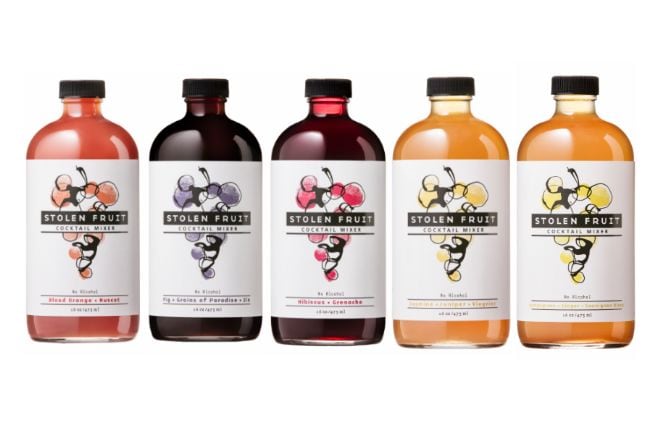
As the demand for natural ingredients rises, manufacturers can incorporate grape juices and skins that are ordinarily discarded in traditional winemaking processes to craft wine-inspired mixers, appealing to those interested in fruity, natural alcohol options.
Workshop question
Trend signals
Trend score 2.9 out of 10, from popularity 41%, activity 38%, freshness 8%.
Evidence
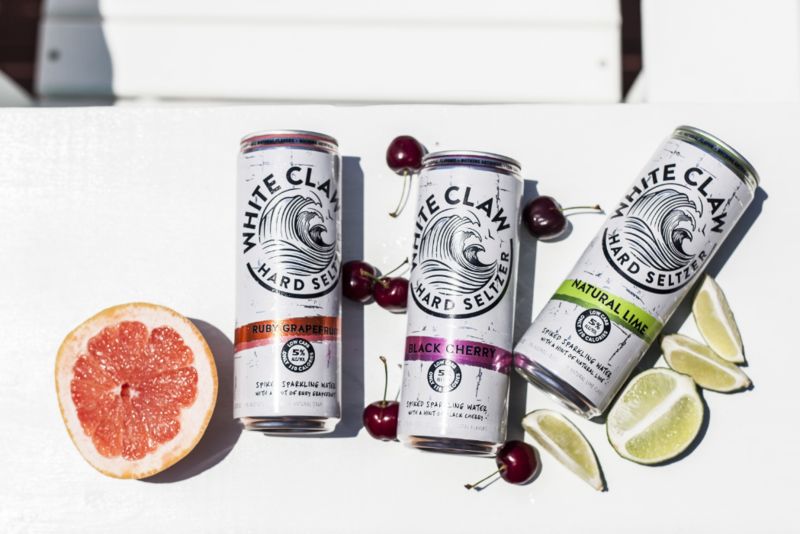
White Claw Hard Seltzer Puts a Boozy Twist on Sparkling Water
The alcoholic beverage industry has an opportunity to innovate by incorporating natural ingredients and creating new low-sugar beverage options.
Stolen Fruit's Mixers are Made with Grape Juice and Skins
Incorporating discarded grape ingredients into cocktail mixers could disrupt the traditional beverage manufacturing industry by introducing sustainable and eco-friendly practices.
This Australian Wine Brand Launched a Line of Fruity Summer Flavors
Wineries can seize the opportunity of producing sparkling fruit wines to attract younger audiences and capitalize on the rising demand for innovative beverage options.
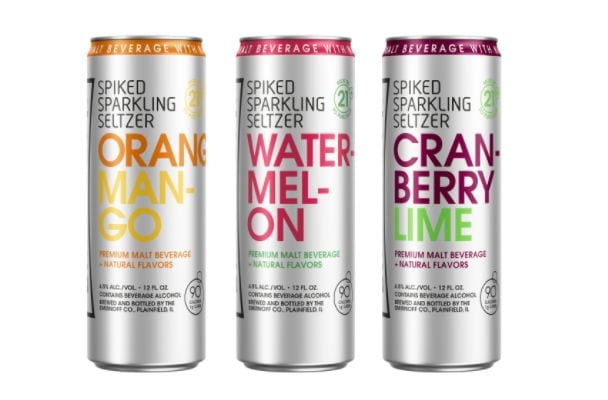
Smirnoff is Now Sellng 'Spiked Sparkling Seltzers' in Slim Cans
Disruptive Innovation Opportunity: Innovate in the beverage industry by creating flavored sparkling water, light alcoholic beverages, and portable packaging options.
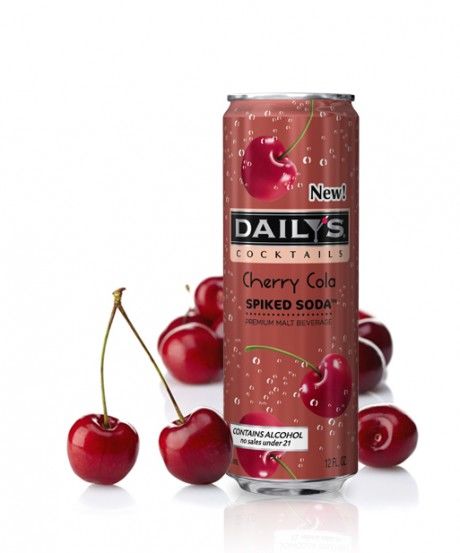
Daily's Newest Beverage Line Combines Fruit Flavors, Alcohol and Soda
Beverage companies have an opportunity to offer alternative adult beverages that cater to consumer preferences for low-alcohol content and fruit-flavor combinations to satisfy the…