Category
Lifestyle
Assisted Choices
Blockchain technology is incorporated into the culinary industry.

Trend
Culinary Blockchain: Whether giving consumers product information or empowering ecological initiatives, Blockchain technology is on the rise in the food industry. Such use of this technology reveals its potential outside of transactions alone, and into unlikely spaces that require transparency and enhancement.
Insight
Many industries -- from tech to food to beauty -- are experiencing a surge of consumer wariness focused around a demand for more transparency. Access to information about the darker side of any given industry is available to all consumers in the digital age. With that in mind, consumers with discerning tastes are taking it upon themselves to not just look for quality products, but products that promise a sense of safety and a lack of deception.
Trend themes
Blockchain technology allows industries to offer transparency in their products and supply chain, creating opportunities for consumers to access information and foster trust.
With overproduction being a global issue, blockchain technology is being used to create platforms for retailers to offer reduced prices and manage food waste, creating disruptive innovation in the waste management industry.
Blockchain technology is being leveraged to track food products from their source to the market, creating opportunities for industries to ensure safety and respond efficiently to any safety concerns.
Industry implications
The food industry is leveraging blockchain technology to offer transparency, manage waste, and ensure safety.
Retailers are using blockchain technology to offer transparency in their products, and manage inventory and overproduction waste.
Blockchain technology is being used to offer traceability in alcohol products, allowing consumers to have access to the distilling and manufacturing process.
Workshop question
Trend signals
Trend score 4.2 out of 10, from popularity 68%, activity 51%, freshness 9%.
Evidence
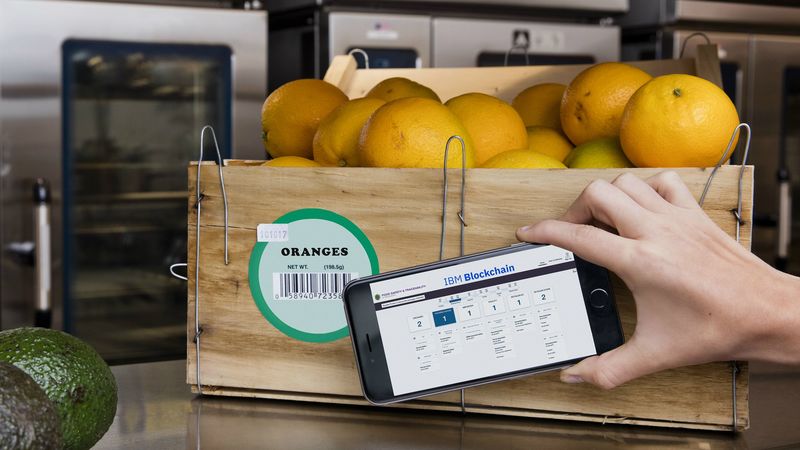
Walmart and IBM are Fighting for Transparency in the Food Industry
Implementing blockchain-powered labeling systems can disrupt the current methods of handling expired food and improve food safety measures in grocery stores.
Ailsa Bay Scotch's Packaging Lets Customers Track the Product's Journey
Implementing blockchain technology in the alcohol industry to enhance transparency and traceability.
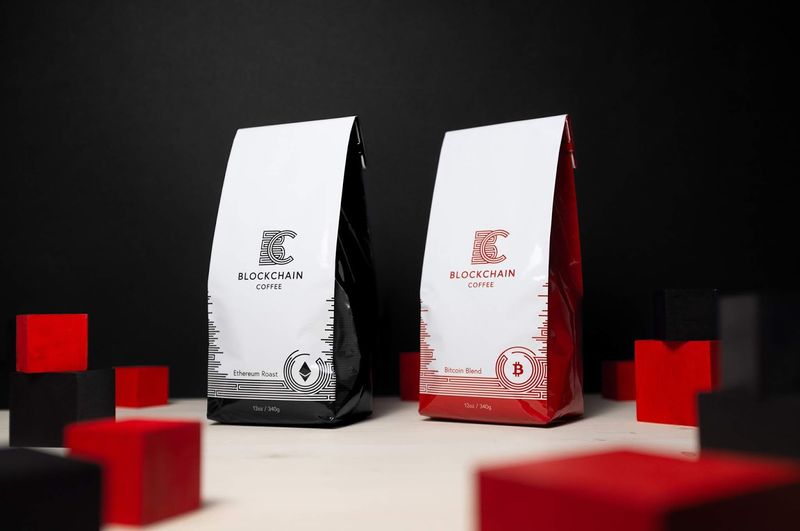
Bitcoin Coffee Makes Products Targeted Towards Crypto Traders
Disruptive innovation opportunity: Introduce cryptocurrency-themed food and beverage products to attract crypto traders and enthusiasts.
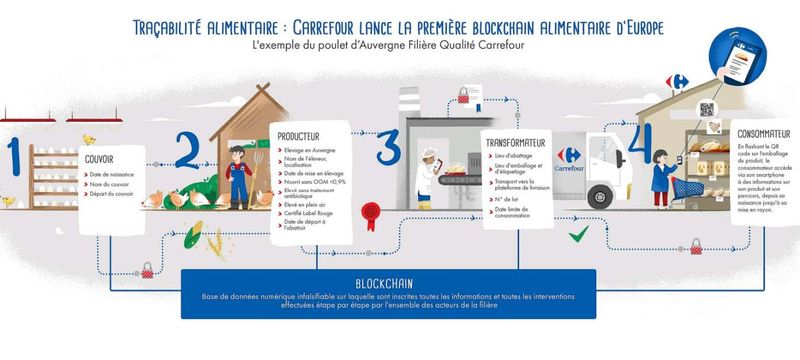
Carrefour is Encouraging Transparency with Blockchain
Supermarket chains like Carrefour can leverage blockchain and other technologies to offer food supply chain transparency and gain a competitive edge over others in the food retail…
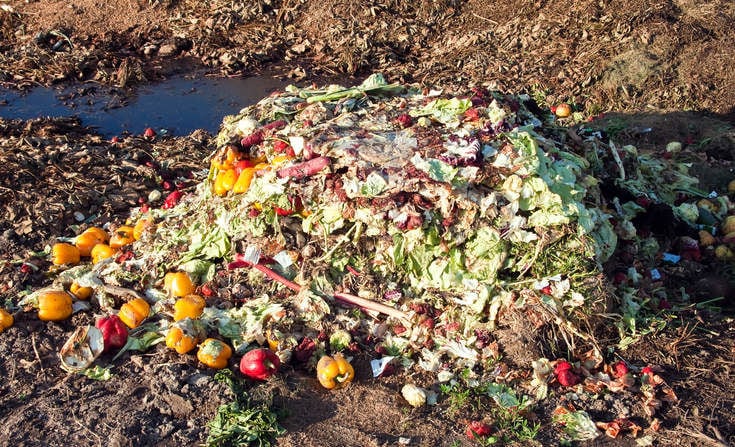
INS Ecosystem Hopes to Reduce 130 Million Pounds of Food Waste
Blockchain-based platforms can disrupt traditional grocery models by reducing food waste and offering a more efficient and cost-effective shopping experience.
IBM Partnered with Raw Seafoods Inc. to Track Seafood Using Blockchain
Blockchain technology can revolutionize the food industry by enabling transparent and safe tracking of products from source to market.