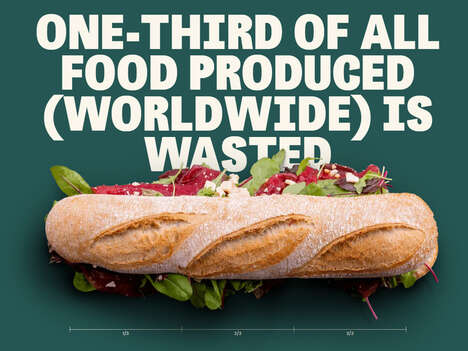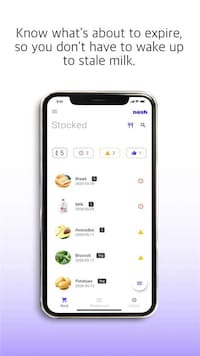


INS Ecosystem is a new startup that believes Blockchain technology can be leveraged to combat the grocery industry's food waste problem.
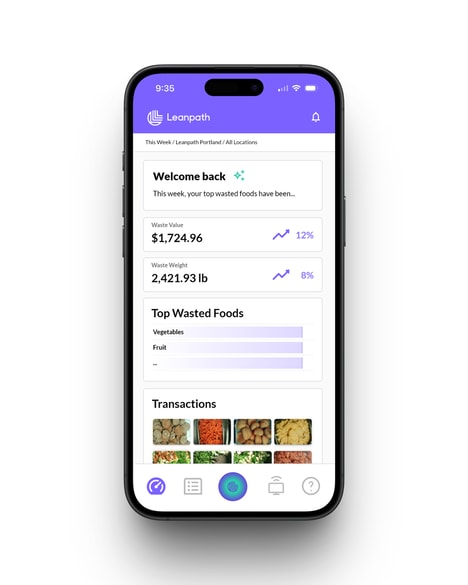
The new platform hopes to offer a more streamlined approach to selling surplus consumables directly to shoppers at discounted rates. The software will use Blockchain to "manage transactions and to underpin a token system to fulfill orders, adjust prices and offer rewards." The Blockchain-based software will aid in tracking, monitoring, and distribution of the grocery industry's expansive inventory, offering a connected and digital alternative.
The startup is set to launch later this year, and if all goes as planned, INS Ecosystem could cut the cost of groceries by 30% while also eliminating up to 130 million pounds of food waste annually.
Image Credit: Greenbiz
Why This Trend Is Growing
- Blockchain-based Food Waste Reduction
- Leveraging Blockchain technology to offer a more efficient way to sell surplus consumables at discounted rates, and track, monitor, and distribute inventory to reduce food waste.
- Token-based Transaction Systems
- Using tokens to manage transactions and adjust prices and rewards for grocery shopping can create a more efficient, connected, and digital shopping experience.
- Streamlined Food Distribution
- A more direct and connected approach to selling surplus consumables can reduce food waste and lower costs for both consumers and grocery stores.
Industries Being Reshaped
- Grocery
- Blockchain-based platforms can disrupt traditional grocery models by reducing food waste and offering a more efficient and cost-effective shopping experience.
- Logistics and Supply Chain
- Blockchain technology can aid in tracking, monitoring, and distributing inventory in the grocery industry, creating a more efficient and streamlined supply chain.
- E-commerce
- Token-based transaction systems can revolutionize the e-commerce industry by creating a more efficient and connected shopping experience that offers rewards and discounts.