Category
Lifestyle
Aisle Migration
Modern cookbooks introduce unrelated themes for alternative foodies.

What's Happening
Culinary Divergence: Cookbooks detailing how to prepare foods are no longer the be all end all for culinary enthusiasts. Instead, current cookbooks are branching out into commonly disconnected realms in an effort to entice niche foodies with alternative tastes. This is of particular interest to millennials, who tend to deviate away from established norms on the whole.
Evidence
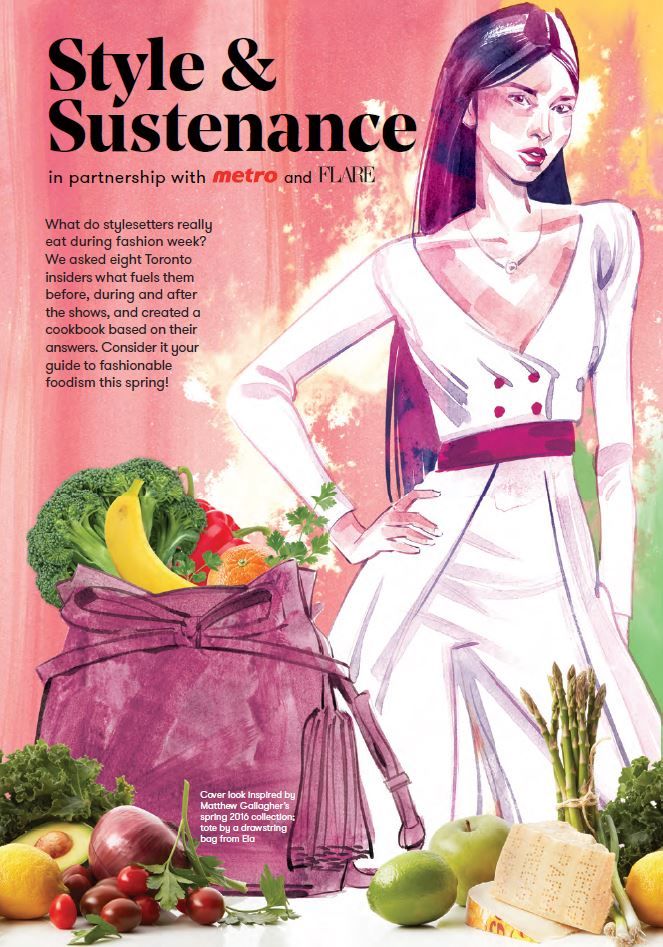
Grocery Retailer Metro Presented 'Style and Sustenance' at TFW
Grocery retailers can partner with magazines and sponsor fashion events to increase brand recognition and appeal, while also promoting their recipe apps and other food-related pro…
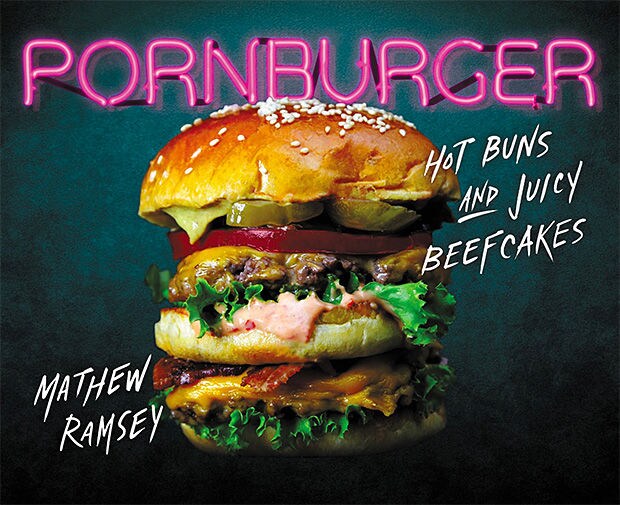
Mathew Ramsey's 'PornBurger' Novel Features Scandalous Photos of Burgers
Publishers can capitalize on a new niche market of gourmand cooks and food connoisseur enthusiasts by releasing similar provocative cookbook guides.
The 'Thug Kitchen' Cookbook Features Recipes for Parties & Events
Publishers can leverage the popularity of unique cookbooks like the Thug Kitchen series to increase sales and cater to the interests of younger generations who are not as enthusia…
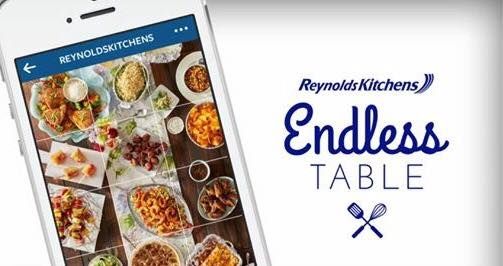
The Reynolds Instagram Account Features Food Images that Link to Recipes
The food and beverage industry can explore innovative ways to utilize social media platforms like Instagram for promoting recipes and engaging with customers.
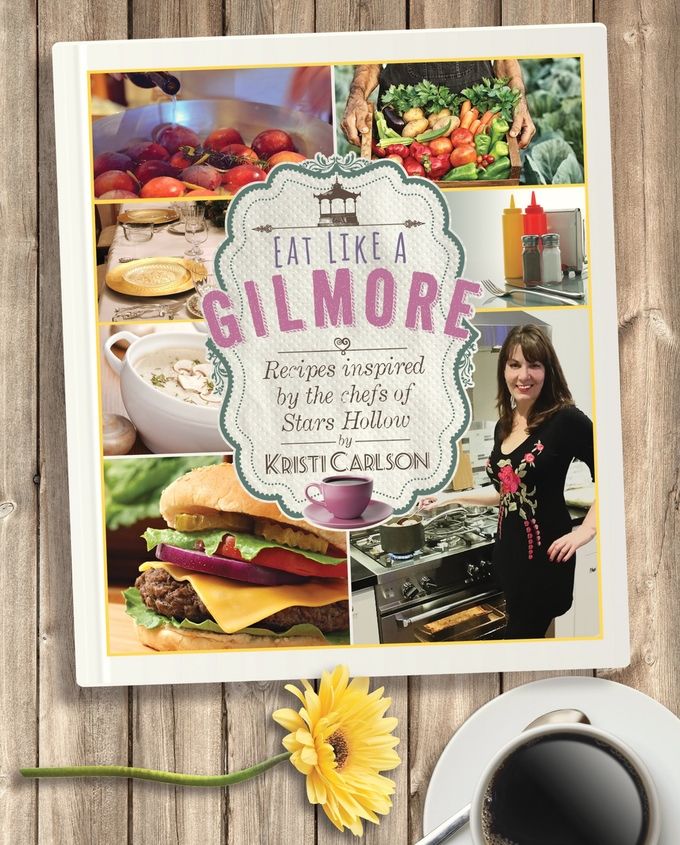
The 'Eat Like a Gilmore' Cookbook is Inspired by a Popular TV Show
Disruptive innovation opportunity to publish cookbooks focused on TV series, capitalizing on the popularity of these shows and the demand for themed recipes.
Trend themes
Cookbooks are branching out into commonly disconnected realms in an effort to entice niche foodies with alternative tastes.
Companies are taking advantage of social media's layout to display cohesive images that reveal a hearty mix of delicious dishes.
Cookbooks that draw inspiration from TV series are becoming increasingly popular.
Industry implications
Companies in the food industry can harness niche interests to create unique food experiences and use creative social media displays to promote their products.
Publishers can use TV shows and social media to create unique cookbooks that will appeal to a wider audience.
TV shows can partner with cookbook creators to promote their brand and create a unique way for fans to engage with their favorite series.
Trend signals
Trend score 3.3 out of 10, from popularity 51%, activity 40%, freshness 8%.