



Category
Tech
Delegated Interfaces
Tech companies are focusing on interfaces for people with disabilities.
Trend
Computerized Accessibility: Many technology brands are addressing a gap in the industry with innovative designs that are developed to suit the needs of people with disabilities. This calls for computer companies to re-imagine their user interface to be more intuitive and accessible for this demographic.
Insight
As day-to-day activities and interactions become increasingly digitized, individuals expect the concept of usability to become more accessible and intuitive for everyone. Advancements in technology have enabled people with disabilities to feel more included in the digital revolution and this results in a demand for accessible user interfaces to become an industry-standard—especially when it comes to products that are used on a daily basis.
Trend themes
Technology brands are addressing a gap in the industry with innovative designs that are developed to suit the needs of people with disabilities, leading to a demand for accessible user interfaces.
Companies like Apple are winning patents that are concerned with updating phones, laptops, and tablets to be more inclusive for use and to focus on the needs of people with physical disabilities.
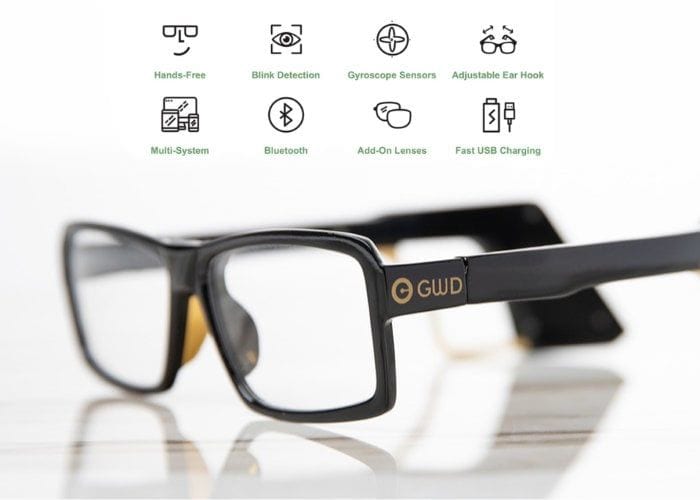
Smart solutions like the 'HiiDii' glasses with blink detection technology and gyroscopic sensors are enabling individuals with mobility or cognitive impairments to control their devices in a hands-free manner.
Industry implications
The trend of accessible user interfaces has a potential impact on the healthcare industry, as more inclusive technology can improve medical care for individuals with disabilities.
Assistive-centric technology patents can benefit the technology industry in terms of market expansion and brand recognition by incorporating more accessibility solutions.
Blink detection technology has disruptive innovation opportunities in the wearables industry with the potential to revolutionize the experience for individuals with mobility or cognitive impairments.
Workshop question
Trend signals
Trend score 5.2 out of 10, from popularity 78%, activity 68%, freshness 9%.
Evidence
The 'HiiDii' Glasses Let Users Control Technology by Blinking
Disruptive innovation opportunity: Incorporate smart features, like blink detection technology, into traditional eyewear to create interactive and control functionalities for user…
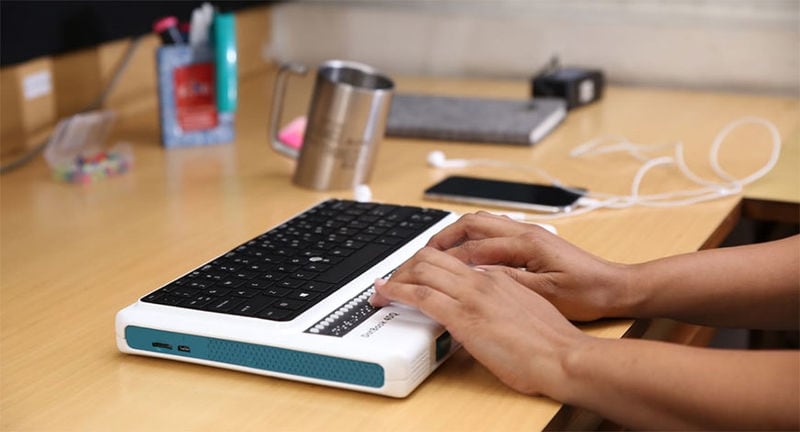
The DotBook is a Braille Laptop for the Visually Impaired
Disruptive innovation opportunity: Introduce cutting-edge technologies and solutions to improve accessibility for individuals with disabilities in the technology industry.
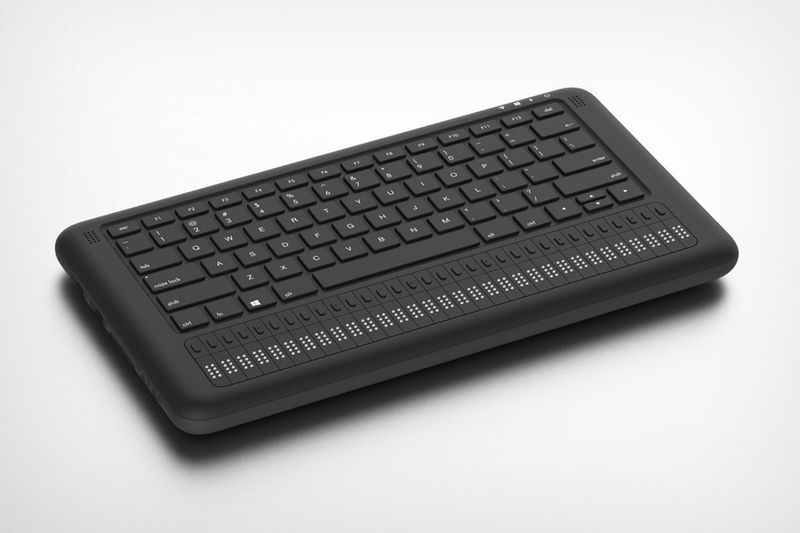
The 'Braille-book' is Designed for Visually Impaired Users
The technology industry can explore opportunities to develop more accessible and inclusive devices, like the 'Braille-book' PC, for visually impaired users.
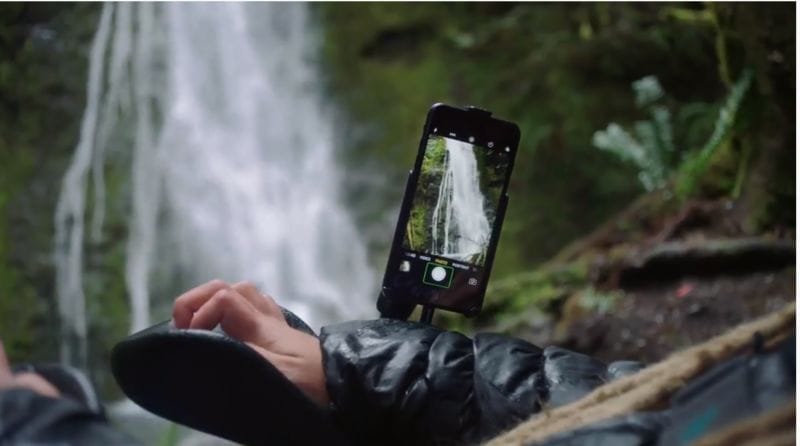
Apple is Pioneering User Interface's for Motor-Impaired Users
The technology industry can utilize the patent to develop more accessible and inclusive devices for users with disabilities.






