Category
Lifestyle
Occasion Coding
Brands recast comfort tastes across familiar formats and routines.
Trend
Flavor Translation: Food and beverage brands are increasingly building limited-edition or unique flavors around recognizable sweet references, translating cues from the pastry sphere into items consumers are already familiar with.
Instead of introducing one-off products, brands are extending a single taste idea across several menu touchpoints. Much of the novelty now sits in the reinterpretation rather than in a completely new flavor build, so familiar formats feel fresh without becoming hard to decode.
Trigger
Consumers often want discovery in repeat purchases, but not the effort or risk of testing out an unfamiliar flavor. Seasonal menus are crowded with competing limited-time items, so references tied to home baking, holiday tables, and childhood sweets can invite consumers to try without introducing them to too much novelty at once. At their core, people still want treats, but often in formats that fit their unique taste and lifestyle habits.
For brands, the takeaway is to treat familiar taste memories as flexible systems rather than single products. The result is a flavor story that is versatile across formats, so experimentation becomes an easy choice.
Workshop question
Trajectory
Latest reading 7.8 for the week of Oct 5, 2026. Rising over the final 3 scored weeks (+0.2), −1.4 from its peak of 9.2 in the week of Aug 31, 2026. Momentum 5.6/10, persistence 10.0/10, backed by 4 research findings.
Evidence
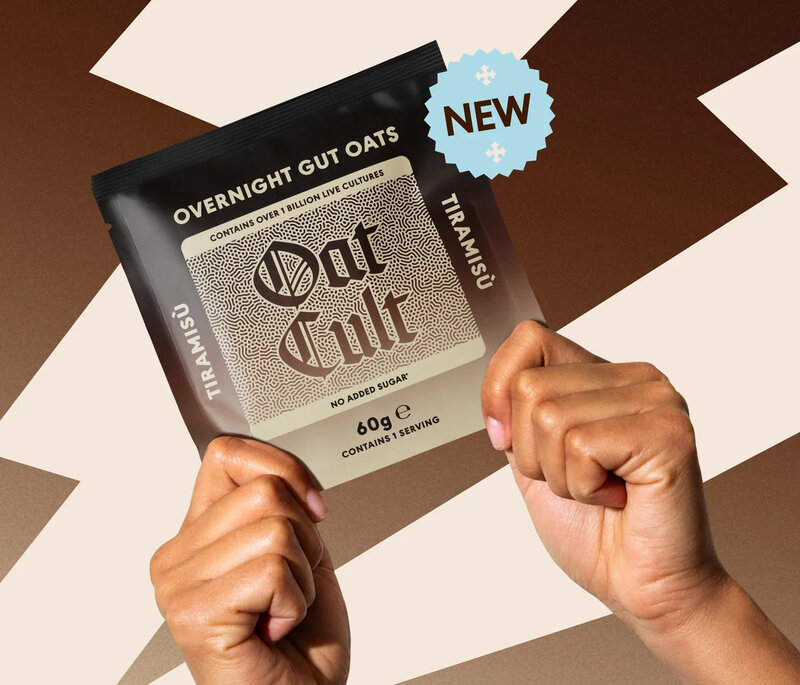
Oat Cult Launches a Tiramisu Flavor with a Folk Horror Film
Probiotic breakfast products are evolving through flavor experimentation that makes wellness-oriented eating feel more experiential and treat-like.
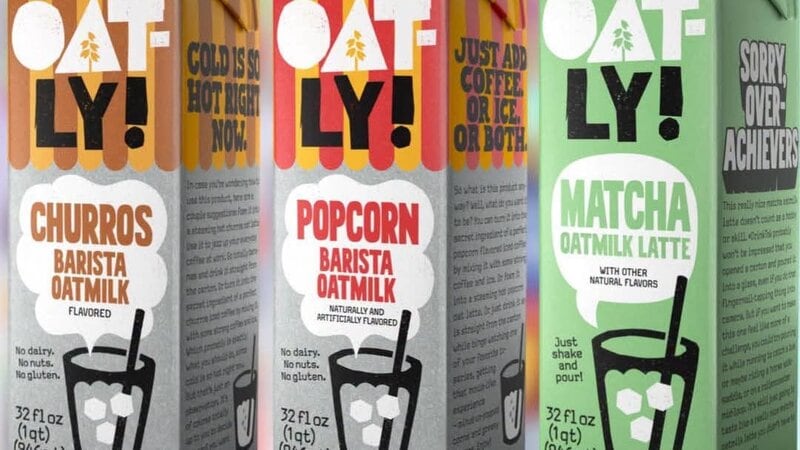
Oatly Adds Popcorn Churros and Matcha Latte Options
Dairy-free brands gain new relevance by moving beyond functional replacement into indulgent, seasonal, and lifestyle-led products.
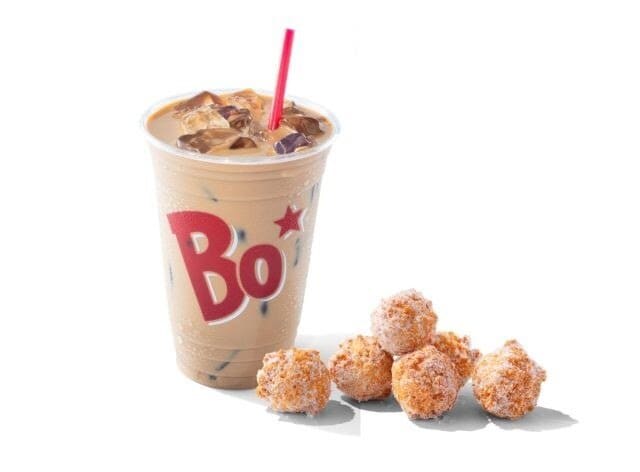
Bojangles Pairs Cinnamon Toast Crunch Iced Coffee with Donut Bites
Playful breakfast bundles help chains differentiate routine morning traffic with indulgent, shareable, and branded seasonal offerings.
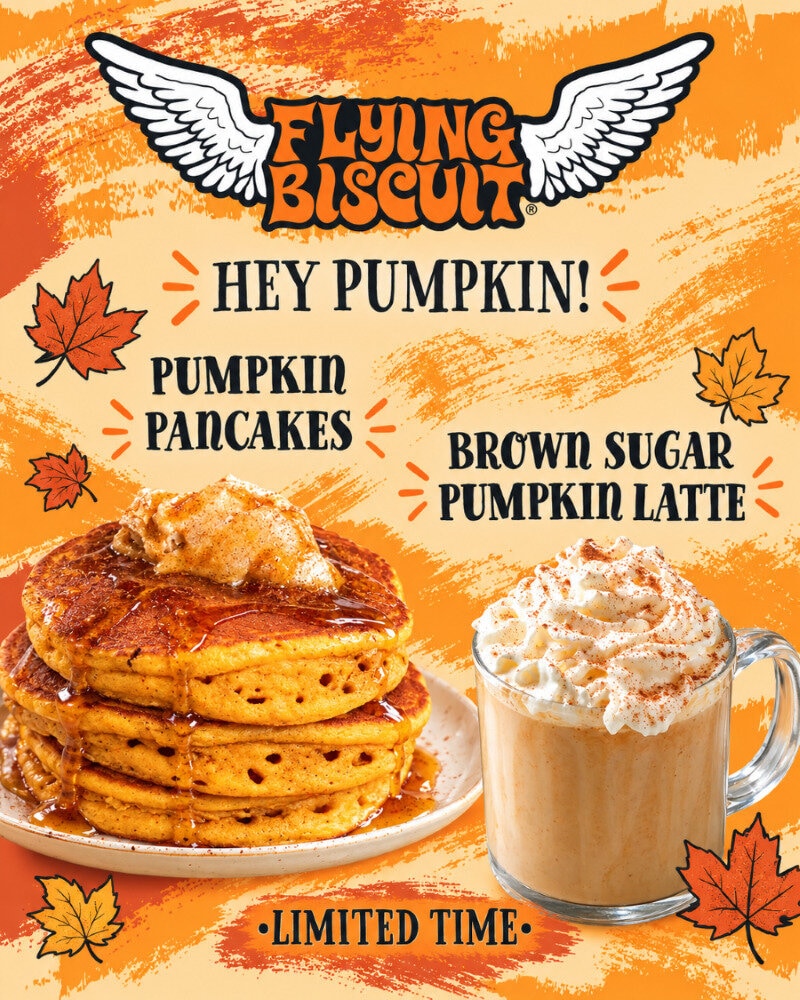
Flying Biscuit Café Introduces Pancakes and Lattes for Fall
Seasonal breakfast specials provide chain restaurants with differentiated reasons for guests to visit during specific calendar moments.
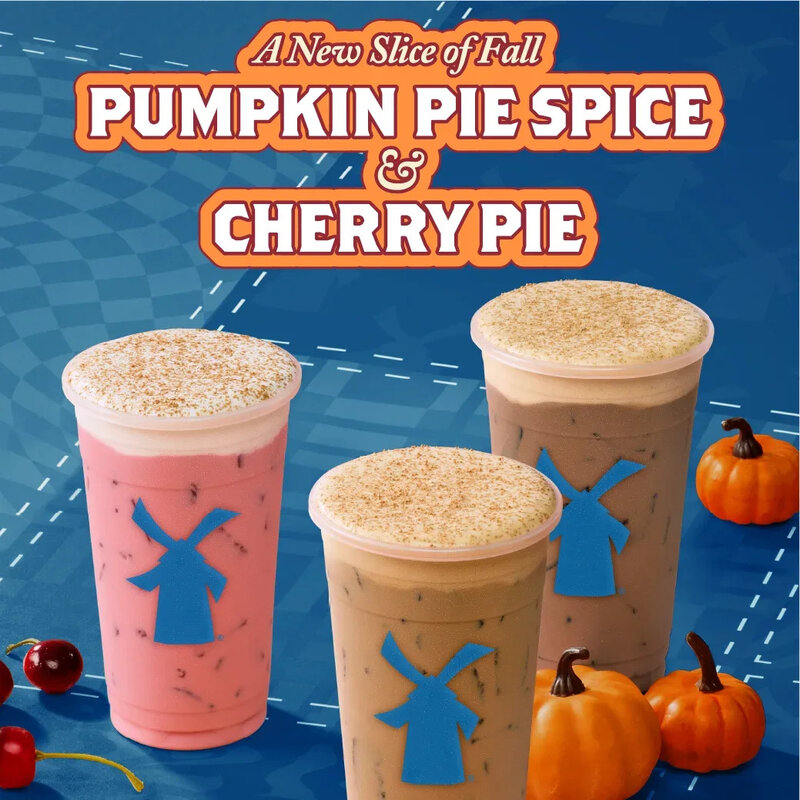
Dutch Bros Turns Cherry and Pumpkin Pies into Seasonal Sips
Café chains can differentiate crowded beverage menus through dessert-led innovation that balances novelty with recognizable flavor cues.
43 Trend Hunter articles were grouped into the wider weekly cluster this trend was identified in, over 5 weeks.
 Organic Coconut Coffee CreamersCalifia Farms Introduces Vanilla Crème and Toasted Coconut Flavors
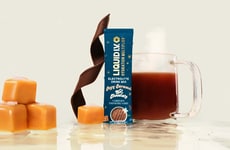 Warm Electrolyte SticksLiquid I.V. Adds Cozy Caramel to Its Warm Hydration Multiplier
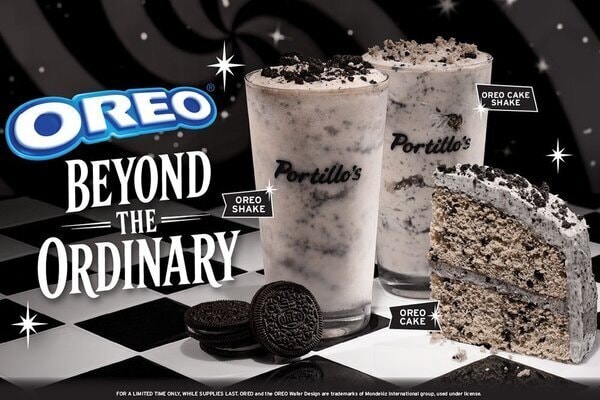
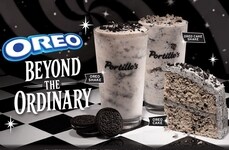 OREO-Inspired Dessert CollectionsPortillo's Introduces Three Limited-Time Cakes and Shakes
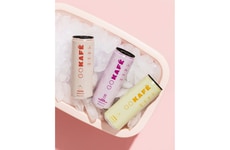 Sparkling Fruit CoffeesGoKafé Blends Chilled Coffee with Real Fruit Juice
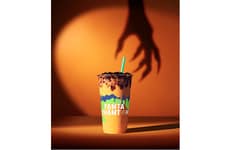 Halloween Boba SmoothiesTropical Smoothie Cafe Tops Fanta Orange Blend with Purple Boba
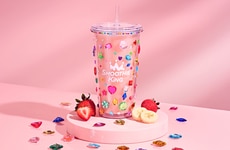 Bedazzled Protein SmoothiesSmoothie King Pairs 47g of Protein with a Rhinestone Cup
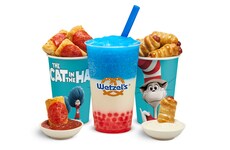 Movie Tie-In Frozen DrinksWetzel's Pretzels Adds the Things' Blue Lemonade Freeze
 Nostalgia-Inspired BeveragesKDP Combines Familiar Brands with Playful Flavor Profiles
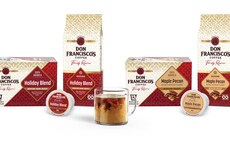 Holiday Arabica CoffeesDon Francisco's Pairs Maple Pecan with a Chocolate Holiday Blend
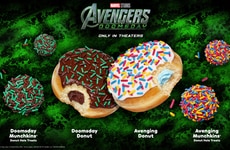 Superhero-Themed Café MenusDunkin' Adds Avengers Doomsday Drinks, Donuts, and Merch
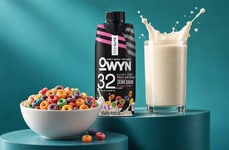 Breakfast Protein DrinksOWYN Models Pro Elite on the Milk Left in a Fruity Cereal Bowl
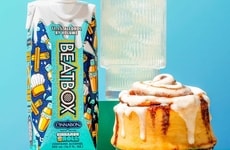 Bakery-Flavored Alcoholic DrinksBeatBox and Cinnabon Turn Cinnamon Roll into a Sip
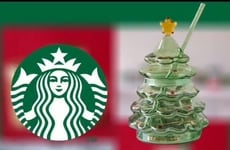 Festive Coffeehouse TreatsStarbucks Adds Tiramisu Velvet to Its Holiday Menu
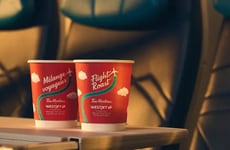 Altitude-Optimized CoffeesWestJet and Tim Hortons Pair Flight Roast with Loyalty Perks
 Halloween-Themed Refresher DrinksDunkin' Tops Its Refresher with Purple Foam and Edible Eyes
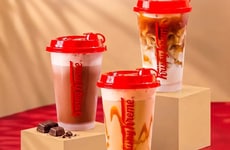 Protein Coffee DrinksKrispy Kreme's Super Brews Make Café Orders More Filling
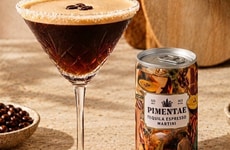 Agave-Led Cocktail CansPimentae's Tequila Espresso Martini Brings Coffeehouse Depth
 Forest-Inspired Coffee BundlesPinterest and Chamberlain Coffee Pair Almond Blend with Merch
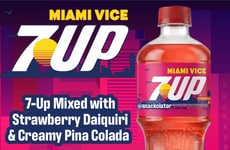 Tropical Soda Flavors7UP Introduces Its Miami Vice Flavor
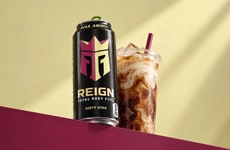 Creamy Caffeinated Beverage BlendsReign Brings Dirty Soda Flavours To Energy Drinks
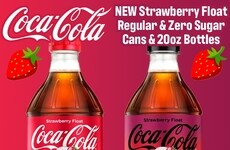 Dessert-Style Cola FlavorsCoca-Cola's Strawberry Float Includes Regular and Zero Sugar
 Birthday Cake-Inspired Slurpees7-Eleven's Debuts Its Mountain Dew Confetti Chill Slurpee
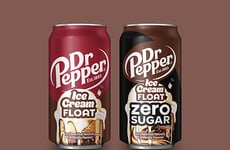
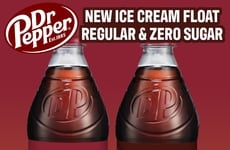 Creamy Dessert SodasDr Pepper Readies For Its Ice Cream Float Soda in Two Versions
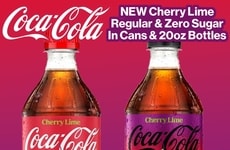 Citrus-Laced Cola FlavorsCoke Adds A New Fruit-Infused Twist To Its Classic Cola
 Tropical Energy Drink FlavorsMonster Debuts Ultra Aloha POG and Juice Razz Rocket To Its Lineup
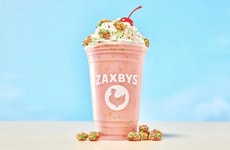 Strawberry Candy-Topped MilkshakesZaxby’s Creates A NERDS-Topped Strawberry Milkshake
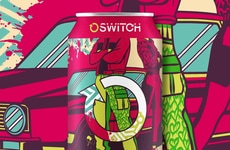 Dual-Flavored Fruit Energy DrinksSwitch Energy Introduced Its Watermelon Strawberry Lineup
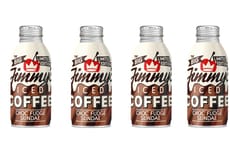 Treat-Led Iced Coffee VariantsJimmy’s Choc Fudge Sundae Iced Coffee Debuts
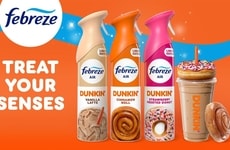 Coffee-Inspired Home FragrancesFebreze and Dunkin' Launched a Scent Collaboration
 Dessert-Inspired Creme BarsHershey’s Launches Salted Caramel and Affogato Creme Bars.
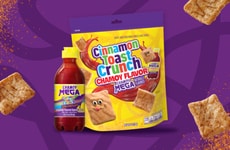 Cross-Category Flavor MashupsCinnamon Toast Crunch and Mega Foods' Chamoy Mega Swapped Flavors
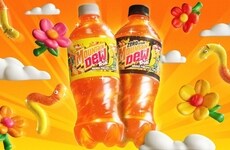 Multi-Sensational Tropical SodasMountain Dew x Trolli Mango Pineapple Punch Reimagines Crawlers
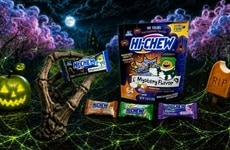 Mystery Flavor CandiesHI-CHEW Hides a Secret New Flavor in Its Halloween Mix
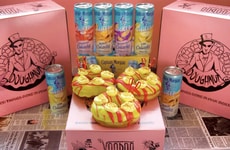 Tropical Doughnut TreatsCaptain Morgan Sliced Colada Variety Pack Inspires a Limited Doughnut
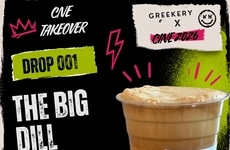 Pickle-Flavored Iced CoffeesGreekery Cafe is Serving Dill Pickle Iced Coffee at the CNE
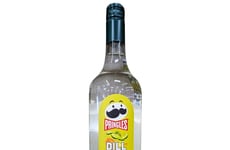 Pickle-Flavored Potato VodkasSugarlands Distilling Created a Pringles Dill Pickle Potato Vodka
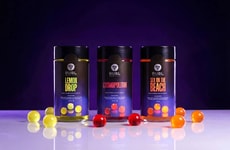 Ready-to-Drink Cocktail BubblesBubl Cocktail Shots are Encased in Thin, Flexible, Edible Shells
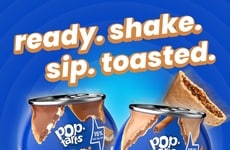 Toaster Pastry-Flavored CocktailsBuzzBallz x Pop-Tarts Serve Up Nostalgic Flavors with Vodka
Research
Flavor Softening
Flavor is doing more than delighting the palate; it is reducing the emotional friction of healthier, newer, or more experimental products.
Consumers are more willing to try functional, low-sugar, or unfamiliar formats when they are wrapped in nostalgic, globally inspired, or socially buzzworthy taste cues. Flavor becomes the invitation that makes change feel fun rather than dutiful.
Mashup Flavor
Consumers want novelty that feels layered rather than random.
Flavor mashups deliver discovery, social currency, and sensory richness in one move, letting brands make products feel premium and expressive even when the base format is familiar.
Flavor Theater
Consumers no longer treat flavor as a background product attribute; it has become a form of cultural content.
Brands are turning taste into a shareable event because attention is harder to win and people increasingly want foods that feel like participation, not just consumption.
Familiar Novelty
Consumers want excitement, but they do not want to feel lost.
Familiar formats lower the risk of trial, while globally specific accents and nostalgic references add enough edge to keep products and menus culturally current. This is why brands are designing flavor as a bridge between comfort and discovery rather than a break from both.