



Category
Tech
Delegated Interfaces
Consumers are shifting from training the body, to training the mind.




Trend
Cognitive Conditioning: Instead of just focusing on training the body, people are taking increasing interest in training their minds. The rise of the geek has created a status adjustment in how consumers view being intelligent, and when combined with a fear of mental degradation, it's now more important than ever to train your brain. In the end, consumers are now viewing the term healthy as a combination of body and mind.
Trend themes
Consumers are shifting from training the body, to training the mind, creating a status adjustment in how consumers view being intelligent, and when combined with a fear of mental degradation, it's now more important than ever to train your brain.
With the rise of devices such as the EMOTIV INSIGHT headset, brain-computer interfaces are becoming more commonplace and can be used to optimize brain performance and overall fitness.
Video games like Koe use simplicity in game design to make the process of learning a new language fun and accessible.
Industry implications
EdTech can capitalize on the trend of cognitive conditioning to develop innovative new tools and resources for training the mind.
The rise of brain-computer interfaces and cognitive training apps presents a huge opportunity for the gaming industry to capitalize on the trend of training the mind.
Bars and restaurants can take inspiration from Raising the Bar and create educational drinking experiences that make knowledge more accessible and help to attract new customers.
Trend signals
Trend score 4.4 out of 10, from popularity 74%, activity 51%, freshness 8%.
Evidence
The Academia de Ideias Ad Campaign Promotes "Challenges For Your Brain"
Opportunity for ad agencies to explore new creative avenues and engage audiences in unique ways.
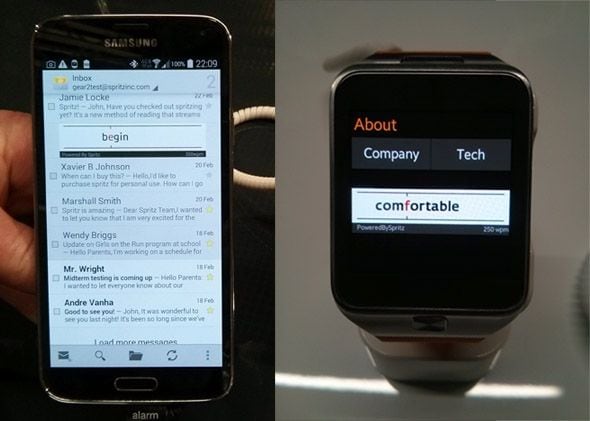
The Spritz App is Going to Help You Read Fast and Efficiently
The education technology industry can incorporate speed-reading apps to improve learning outcomes and increase efficiency in reading.
The 'Foc.us' Headset Electrifies Your Brain to Increase Focus
Disruptive innovation opportunity: Integrating neurostimulation technology in gaming accessories to enhance players' cognitive abilities and improve gaming performance.
The EMOTIV INSIGHT Headset Measures Mental Activities
Real-time cognitive monitoring technology can be utilized in healthcare settings to assess patients' mental health and cognitive function.
Raising the Bar Turns the Local Watering Hole into a Learning Experience
Integrating education into social spaces like bars can enhance customers' experiences and differentiate businesses within the hospitality industry.
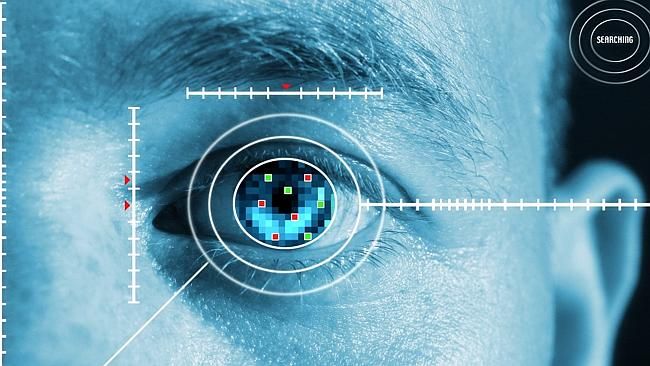
The Ultimeyes App Could Improve Your Vision by Training Your Brain
Healthcare providers could incorporate brain-training apps in their patient care, offering patients a non-invasive option to improve their eyesight.

Koe is a Japanese Language Game That Makes Learning Easy
The education technology industry can capitalize on language learning gamification by developing innovative platforms and tools that enhance language acquisition for students.






