Category
Lifestyle
Assisted Choices
Waste from the seafood industry is re-introduced into the consumption cycle.

Trend
Circular Seafood: As much of the world looks to prioritize efforts towards living in a more sustainable way, organic waste from the fishing industry is being reused and recycled for consumption. From turning lobster shells into bioplastics to making chips out of discarded fish skins, these offering speak the the growing consumer expectation and appetite for sustainability in all facets of their lives.
Insight
As concerns around sustainability become better understood, more and more consumers are identifying with this cause, to the point that for many, it becomes an integral part of who they are. As a result, there's more open-mindedness when it comes to creative solutions and products that support a more circular economy.
Trend themes
Organic waste from fishing industry being recycled for consumption speaks the growing consumer expectation and appetite for sustainability and opportunities to adopt circular economy in the food industry.
Explore alternative green options to traditional single-use plastics and create sustainable materials like biodegradable and recyclable bioplastics for reducing plastic waste.
As IKEA introduces a new sustainable food product using leftovers from fish that is ASC certified, committing to sustainable retailing will play a significant role in attracting consumers concerned with environmental issues.
Industry implications
The food and beverage industry can adopt technologies and innovations aimed at reducing food waste, sourcing more food sustainably, and adopting circular economy strategies.
The plastic manufacturing industry can explore alternative green options like biodegradable and recyclable bioplastics to improve environmental sustainability measures and reduce plastic waste.
The retail industry can commit to sustainable retailing, reduce food waste and adopt ASC certified sustainable materials to attract consumers concerned with environmental issues.
Workshop question
Trend signals
Trend score 2.9 out of 10, from popularity 55%, activity 23%, freshness 9%.
Evidence
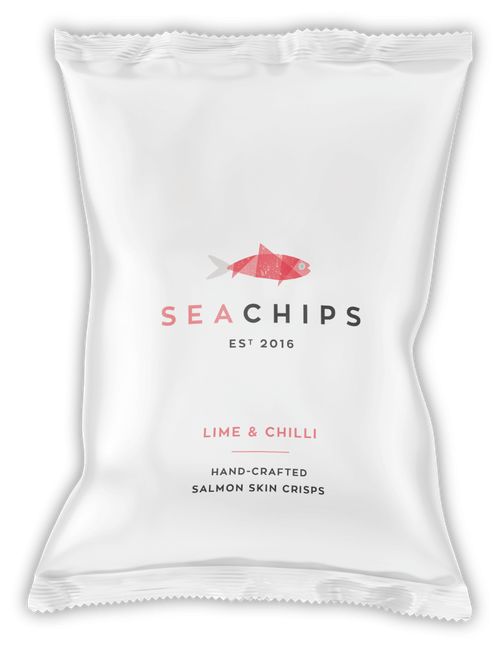
'Sea Chips' Makes Nutrient-Packed Snacks with Salmon Skin
Disruptive innovation opportunities in developing and marketing alternative snacks that cater to health-conscious consumers.
The IKEA Salmon Balls are ASC Certified and Scrumptious
IKEA's introduction of sustainable salmon meatballs presents an opportunity for retailers to introduce more sustainable food options in stores
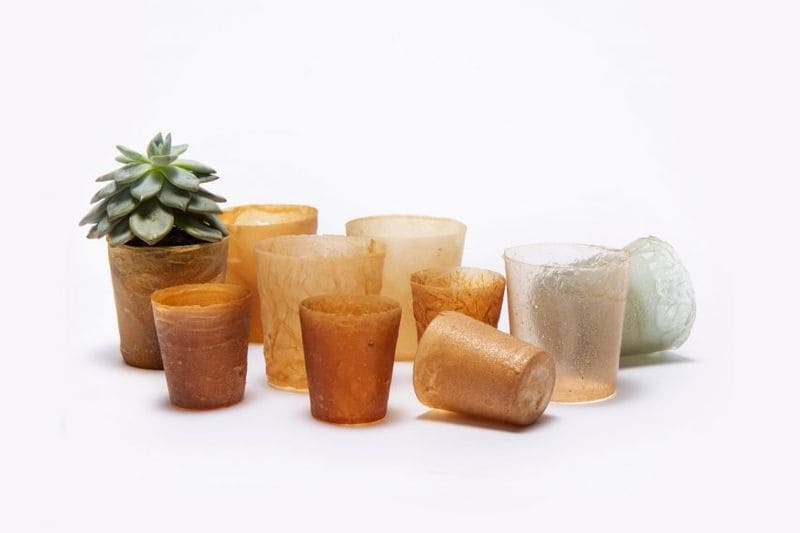
Shellworks Creates Recyclable Bioplastic from Lobster Shells
The use of recyclable bioplastics presents an opportunity for innovation in the packaging industry, particularly in the creation of sustainable and environmentally friendly packag…
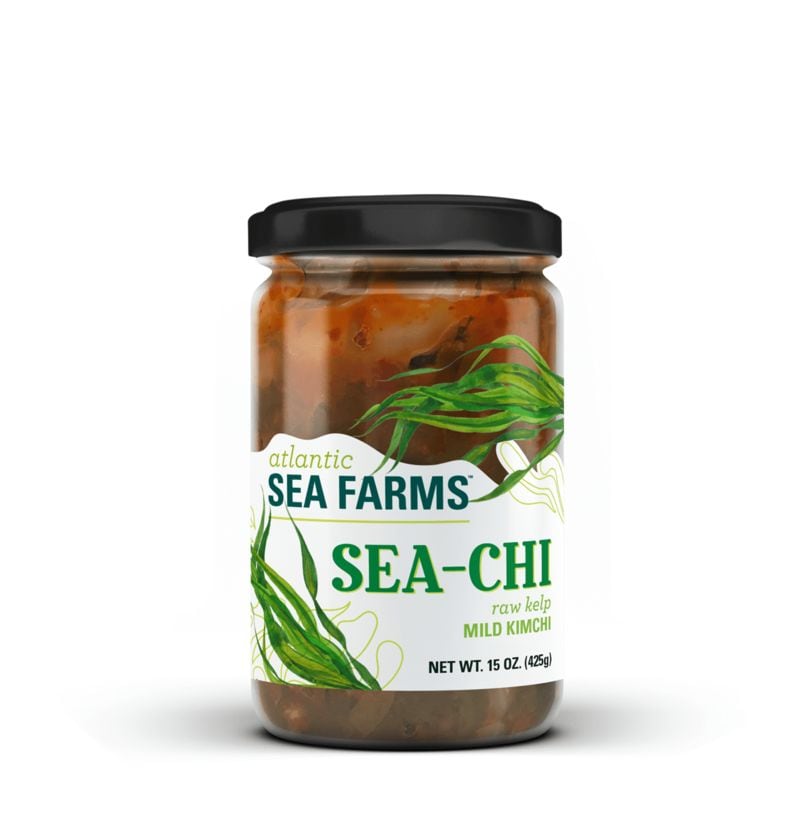
Sea-Chi by Atlantic Sea Farms is Made with Sustainably Grown Seaweed
The food and beverage industry can capitalize on the growing demand for healthier, sustainable food options by incorporating seaweed-based ingredients into their products.