Category
Eco
Ownership Ease
Many fashion brands are looking to buy their used apparel back from consumers.
What's Happening
Buy-Back Program: Fashion brands are rethinking their manufacturing practices due to the growing threat of climate change. As a result, more companies are looking to establish a closed-loop system by enabling buy-back programs.
Insight
Contemporary consumers are looking to subscribe to a greener lifestyle and as a result, many are considering how they consume and dispose of things, as well as the brands that they choose to support. In this space, individuals are creating a demand for seamless solutions that will allow them to feel more confident in their choices and ones that enable them to get rid of their unwanted items in a guilt-free way.
Evidence
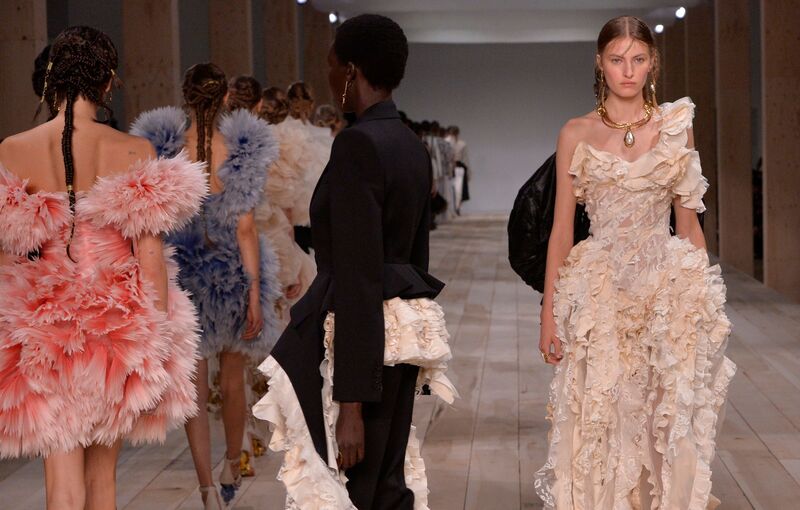
'Brand Approved' Supports Circular Practices in Luxury Fashion
The Brand Approved program is currently exclusive to luxury fashion brands, but other luxury industries, such as automotive or jewelry, could implement similar circular programs.
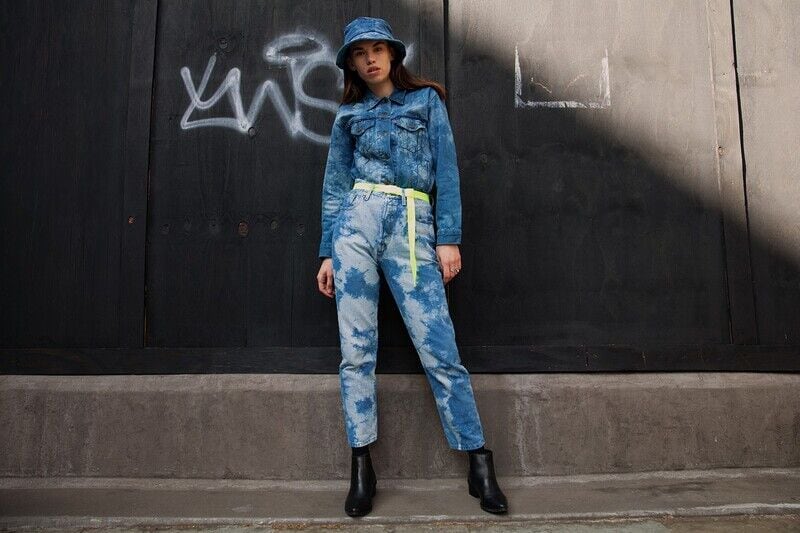
Levi's Will Buy Back Your Secondhand Denim
Fashion retailers, like Levi's, can explore innovative programs and initiatives to promote sustainability, reduce waste, and promote positive environmental impact in their industr…
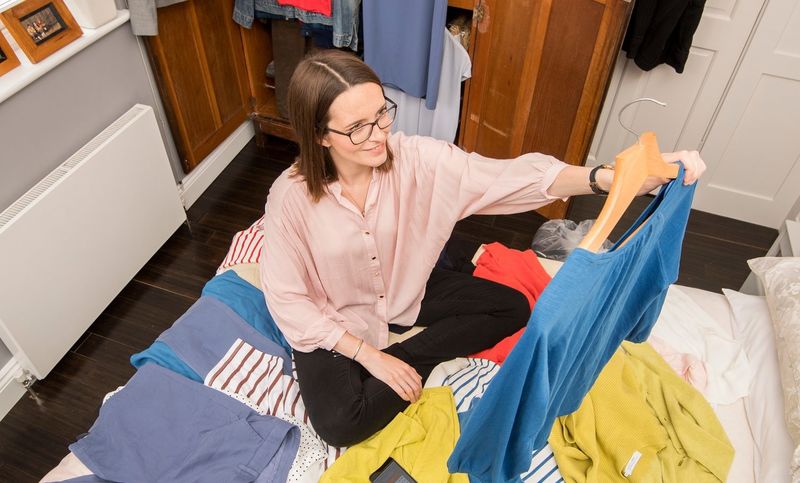
John Lewis is Testing a Service to Reclaim Unwanted Clothing
Retail industry players can implement clothing recycling and buy-back programs to appeal to eco-conscious consumers and promote responsible consumption.
adidas is Launching a Buy-Back Program for Its Customers in the UK
The fashion industry as a whole may implement similar sustainability initiatives, such as buy-back programs, to reduce their environmental impact.
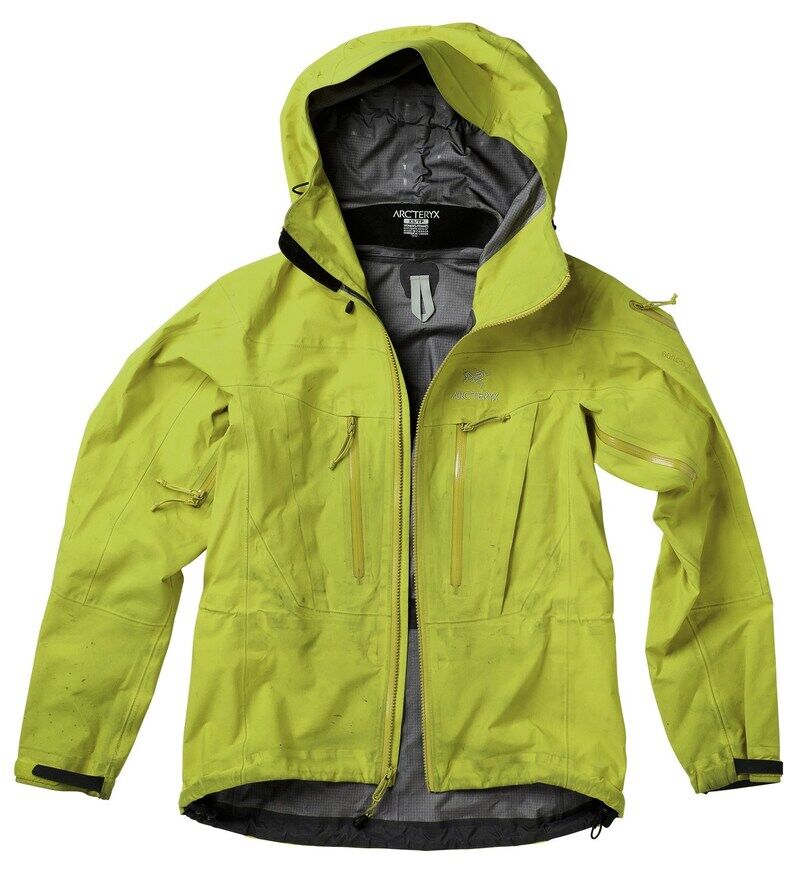
'Rock Solid Used Gear' Sells Used Outdoor Gear from Arc'teryx
Outdoor gear retailers can benefit from creating their own buy-back program to increase brand loyalty among environmentally conscious consumers.
Workshop question
How can your brand contribute to a circular economy?
Trend signals
Trend score 4.2 out of 10, from popularity 65%, activity 52%, freshness 9%.
Trend themes
Fashion brands are establishing buy-back programs to promote sustainable practices and enable closed-loop systems.
Take-back and buy-back programs are becoming popular in the fashion industry to support a circular economy.
As consumers become more environmentally conscious, recommerce platforms are emerging to enable customers to resell or buy used, high-quality products.
Industry implications
The fashion industry is responding to the threat of climate change by promoting sustainable practices and enabling closed-loop systems.
Outdoor gear retailers are exploring take-back and buy-back programs so that used items can be recirculated to a new owner and keep products out of landfills.
Luxury fashion brands are implementing buy-back programs to promote circular practices as a way to support sustainable fashion and drive customer engagement.