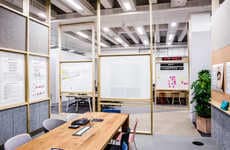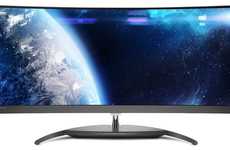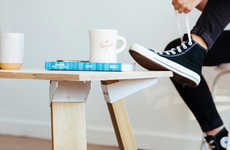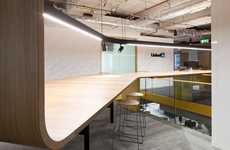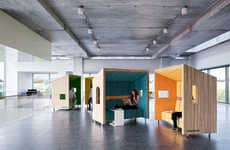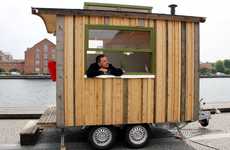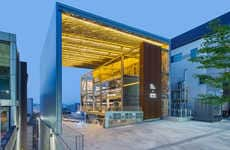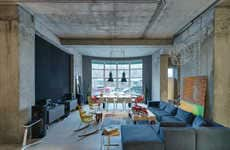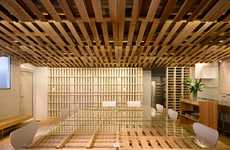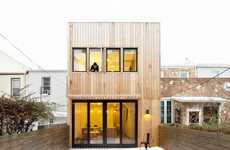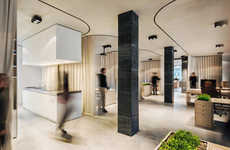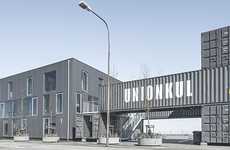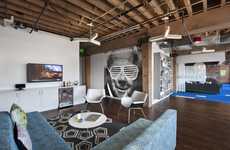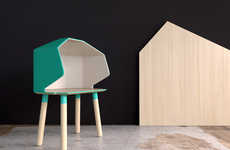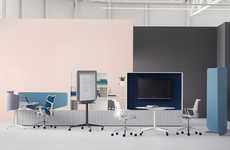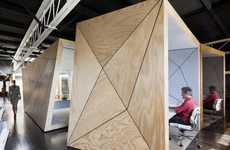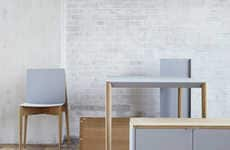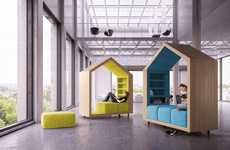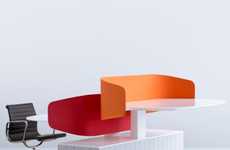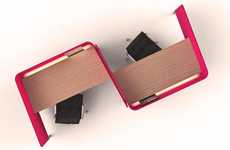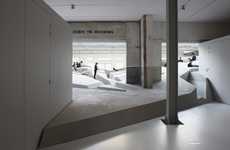
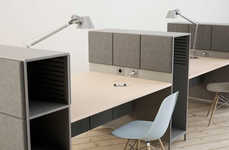
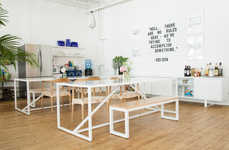
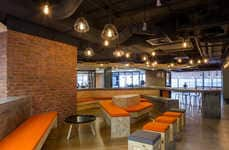
Office settings use design as a way to foster creativity
Implications - Fostering creativity in the workplace can be difficult as consumers tend to fall into work patterns that have them focusing on tasks, as opposed to innovation. Battling this -- especially in the age of shorter attention spans -- requires more than brainstorm meetings. As a response, workplace designs are integrating creativity-encouraging furniture.
Trend Themes
-
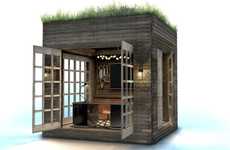
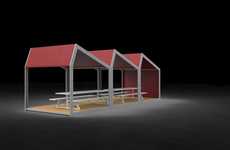
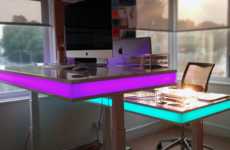
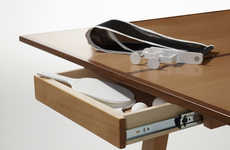
Flexible Office Spaces — The rise of flexible office spaces demonstrates a demand for optimized and personalized spaces promoting both individual and collaborative working. Incorporating multi-functional furniture promotes ample movement and breaks away from traditional work patterns.
-
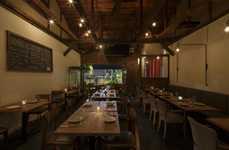
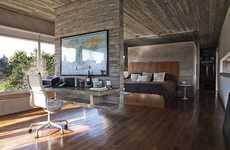
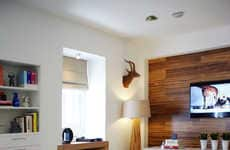
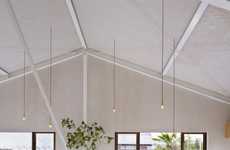
Office Furniture That Enhances Well-being — Employees seek furniture and office designs that positively impact their daily well-being, leading to a rise in sound absorbing designs and rustic open concept offices that promote movement and natural lighting.
-
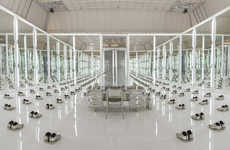
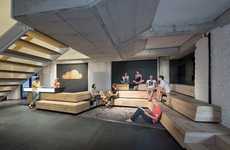
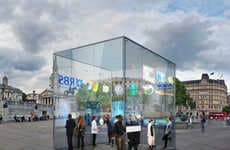
Collaborative Offices — The growing emphasis on collaborative work environments calls for open-concept offices that foster teamwork such as lab-like offices and co-op work spaces, as well as wall-free offices that can be easily reconfigured for groups or individuals.
Industry Implications
-
Office Furniture and Design — Innovations in furniture and office design call for brands to reassess the traditional office layout and invest in adaptable spaces promoting wellbeing and creative thinking.
-
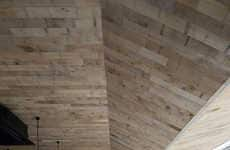
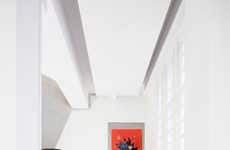
Architecture and Interior Design — The shift toward collaborative and innovative office spaces calls for architects and interior designers to offer personalized and dynamic solutions as well as sound absorbing materials.
-
Technology and Tools — The rise of flexible and lab-like office spaces require technological advancements to be made in office tools and equipment that are easily movable and adaptable based on space and work mode.
5 Featured, 45 Examples:
475,791 Total Clicks
Date Range:
Dec 14 — Mar 16
Trending:
Hot
Consumer Insight Topics: