
Household tools take on more routine management with minimal hands-on input
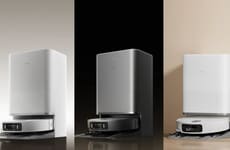
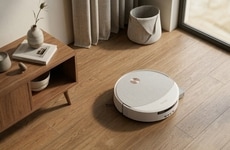
Trend - Manufacturers are adding features such as self-cleaning systems and wider-angle navigation or coverage. These additions aim to reduce the follow-up work that can make automated tools feel less convenient than advertised. The category is being positioned around simplifying repetitive domestic tasks instead of turning cleaning into a high-engagement activity.
Trigger - Consumers often do not just want help with cleaning itself; they want relief from the interruptions, setup, and maintenance that surround it. That makes labor reduction a stronger value proposition than novelty alone. There is also a growing expectation that connected or automated products should handle more of the task chain on their own. If a device still requires frequent manual attention, consumers may question whether the convenience is meaningful. Automation needs to remove secondary friction, not just perform the headline task.
Trend Themes
-
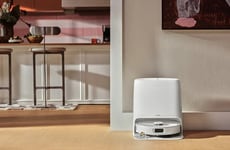
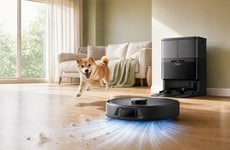
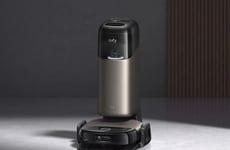
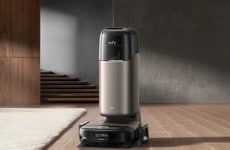
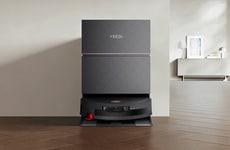
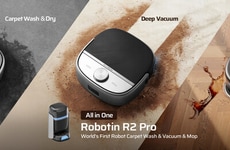
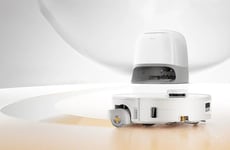
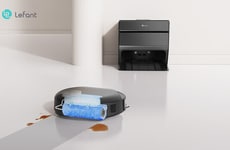
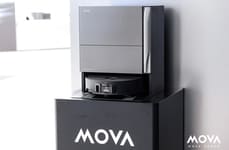
Self-maintaining Automation — Household cleaning devices are absorbing upkeep steps like mop washing, roller drying, water refilling and debris emptying, creating space for appliances that deliver convenience through reduced owner intervention.
-
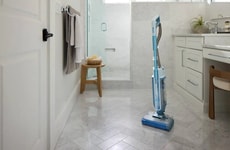
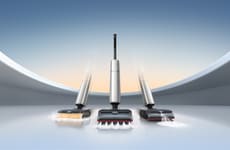
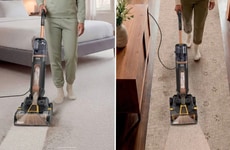
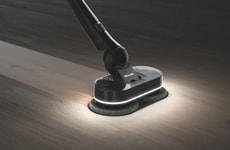
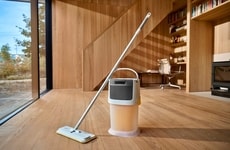
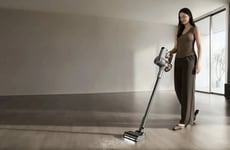
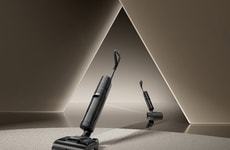
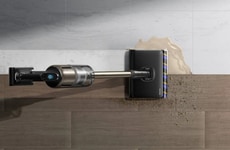
Whole-task Cleaning — Products are expanding beyond single-surface vacuuming into combined washing, scrubbing, suction, edge coverage and vertical reach, reflecting demand for tools that manage more of the domestic cleaning workflow.
-
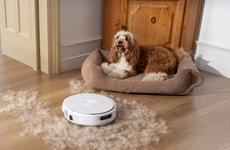
Frictionless Smart Navigation — Improved object detection, corner access, side suction and wide-area coverage are making autonomous cleaners more dependable in irregular home environments where missed spots and manual rescue undermine value.
Industry Implications
-
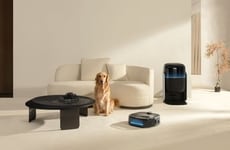
Consumer Robotics — Autonomous home platforms are shifting from novelty gadgets toward practical labor-saving systems, opening room for robots that manage maintenance, adaptation and task completion with less supervision.
-
Home Appliances — Traditional cleaning hardware is being redefined by embedded intelligence, fluid systems and docking infrastructure, suggesting new competitive advantage in appliances that combine performance with self-care.
-
Smart Home Technology — Connected household ecosystems can benefit from devices that coordinate cleaning, monitoring and maintenance data, especially as consumers expect automation to remove secondary chores rather than add management complexity.