



Category
Lifestyle
Assisted Choices
Ice creams are being infused with liquor to delight foodies.
Trend
Alcohol Infusion: The food industry has seen a rise in ice cream and liquor or liqueur infusions in grocery store ice cream brands. These combinations follow the dynamic flavor experiences that have risen in popularity in specialty stores and pop-up installations. This shift speaks to the intersection of foodie culture and at-home indulgence.
Trend themes
The trend of combining alcohol and food is becoming increasingly popular, particularly in the creation of alcoholic ice cream flavors.
The rise of dynamic flavor experiences in specialty stores and pop-up installations is contributing to the popularity of alcohol-infused ice creams.
The combination of foodie culture with indulgent treats is also driving the popularity of alcoholic ice creams as a new category.
Industry implications
Food and beverage professionals can consider combining alcohol and dessert to create unique and indulgent treats.
Restaurants and bars can consider adding alcoholic ice creams to their menus as a new, trendy offering.
Grocery stores and other retailers can explore stocking alcoholic ice cream brands to meet the demand for this new category of indulgent treats.
Workshop question
Trend signals
Trend score 2.8 out of 10, from popularity 38%, activity 38%, freshness 8%.
Evidence
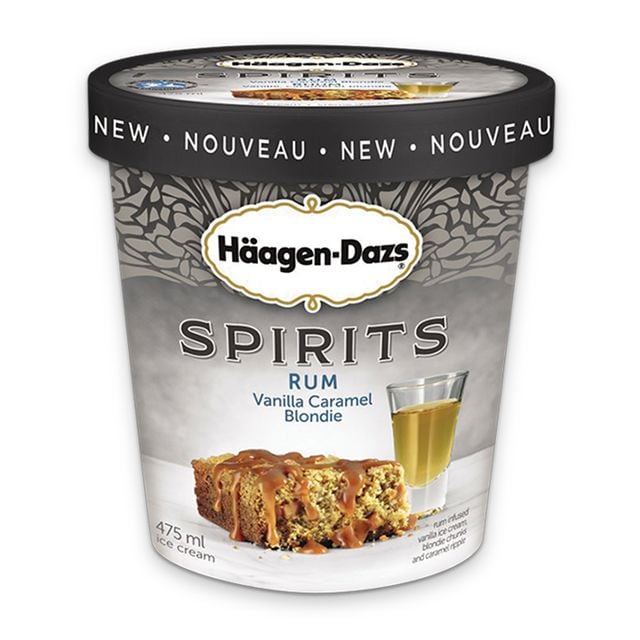
This New Häagen-Dazs Flavor is Called 'Rum Vanilla Caramel Blondie'
Opportunity to create new and innovative flavors by infusing ice cream with alcohol
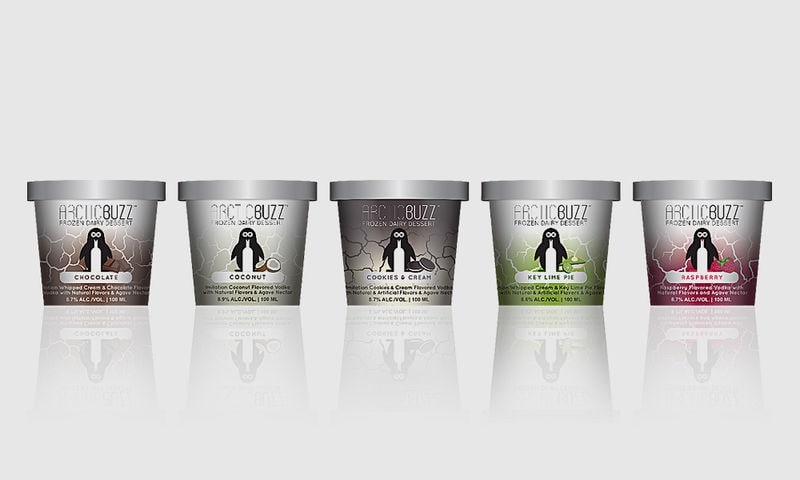
The Arctic Buzz Ice Cream is Made with Real Vodka
Disruptive innovation opportunity for food and beverage companies to create alcohol-infused desserts that cater to adult consumers.
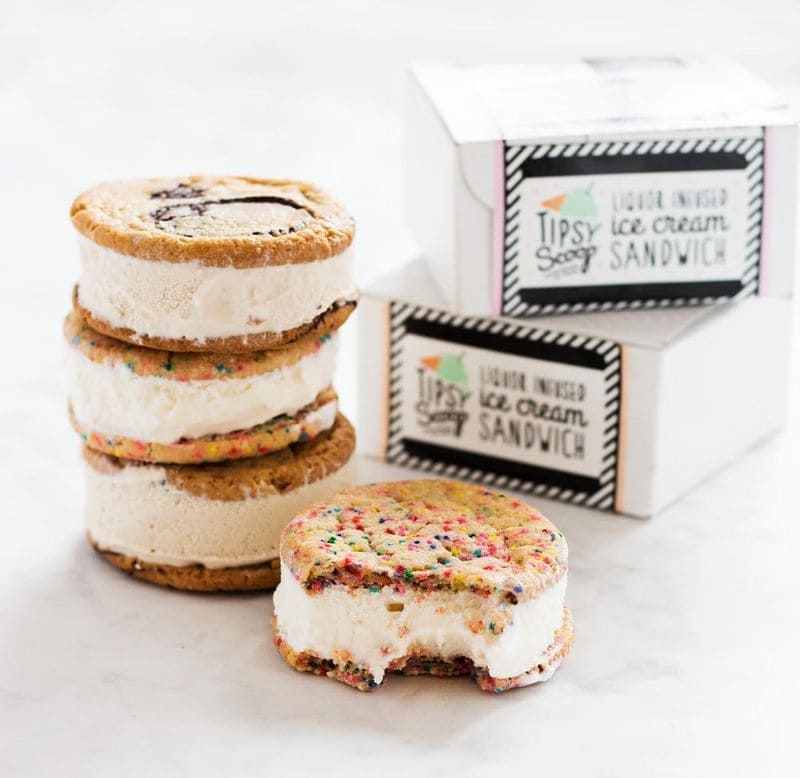
Tipsy Scoop Sells Its Alcohol-Infused Ice Cream in Sweet Sandwiches
Opportunity for food and beverage companies to create alcohol-infused treats and innovative packaging
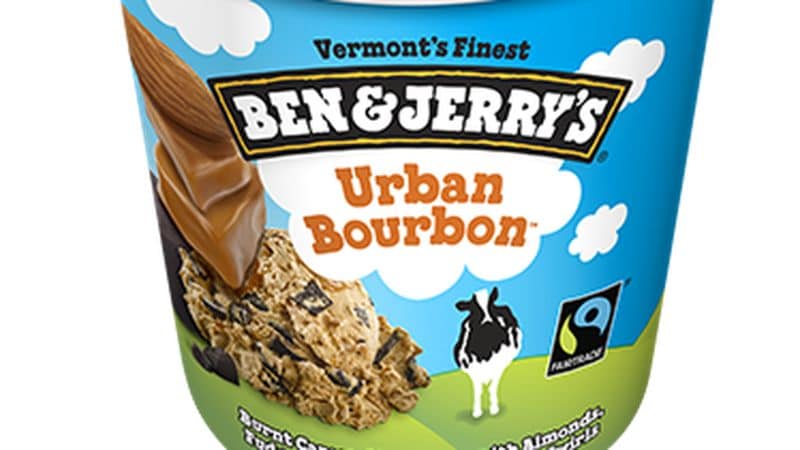
Ben & Jerry's New Urban Bourbon Flavor is Coming Out Next Month
The food and beverage industry can capitalize on the trend of alcoholic desserts and adult-appealing treats by formulating and marketing new products.






