


Smarthome brands are launching AI-powered windows for energy efficiency
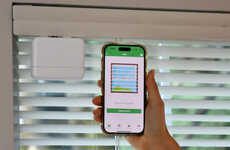
Trend - Smart home brands release AI-powered motorized shades self-adjust based on light, temperature, and occupancy. Leveraging adaptive algorithms and energy harvesting, they optimize natural illumination and thermal loads to reduce HVAC energy consumption and material waste.
Insight - Buyers demand effortless sustainability in the smart home space. They seek homes that autonomously trim bills and carbon footprints through the advent of smart appliances and lights. Stricter efficiency regulations, rising utility costs, and consumer eco-expectations create pressure to embed AI in everyday devices. By offering predictive shading, dynamic solar harvesting, and data-driven control, brands align with green narratives, elevate convenience, and gain an edge in a crowded market.
Insight - Buyers demand effortless sustainability in the smart home space. They seek homes that autonomously trim bills and carbon footprints through the advent of smart appliances and lights. Stricter efficiency regulations, rising utility costs, and consumer eco-expectations create pressure to embed AI in everyday devices. By offering predictive shading, dynamic solar harvesting, and data-driven control, brands align with green narratives, elevate convenience, and gain an edge in a crowded market.
Workshop Question - How can your brand leverage AI technology to seamlessly integrate sustainability and energy efficiency into everyday consumer experiences?
Trend Themes
-
AI-driven Home Automation — Smart home devices are increasingly incorporating AI algorithms to optimize energy efficiency and enhance user convenience through autonomous operation and predictive capabilities.
-
Sustainability Integration in Smart Homes — Green technology within smart home devices offers consumers the ability to reduce their carbon footprint effortlessly, aligning with growing environmental awareness and sustainability standards.
-
Interoperable Smart Home Ecosystems — Devices that seamlessly integrate with popular smart home platforms appeal to tech-savvy consumers who prefer convenience and cross-device compatibility in their living spaces.
Industry Implications
-
Home Automation and Iot — The incorporation of AI and smart technology in home devices leads to increased comfort and efficiency, creating new opportunities for tailored automation solutions.
-
Energy Management and Efficiency — Smart shading systems that utilize AI for energy conversion contribute to reduced energy consumption, meeting both regulatory demands and consumer desires for lower utility bills.
-
Eco-friendly Consumer Products — The rise of AI-enabled devices that also emphasize sustainable use of resources adds a new dimension to environmentally focused consumer products, fostering innovation in material use and lifecycle sustainability.
4 Featured, 26 Examples:
26,923 Total Clicks
Date Range:
Oct 23 — Aug 25
Trending:
Warm
Consumer Insight Topics: