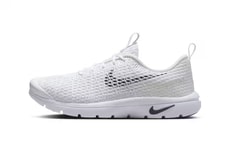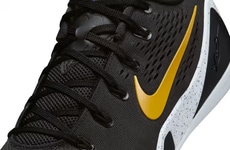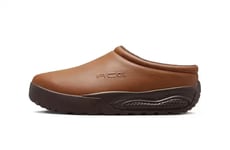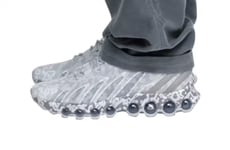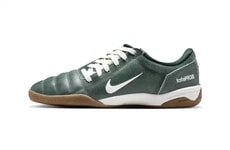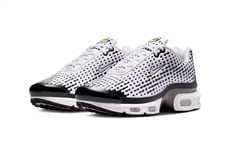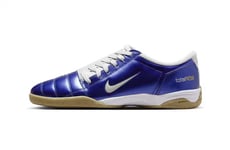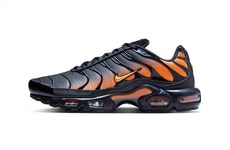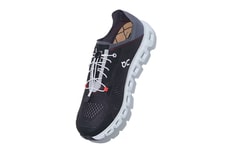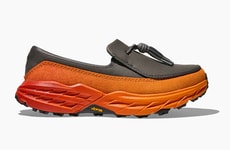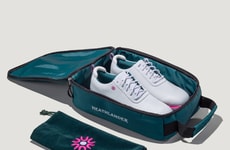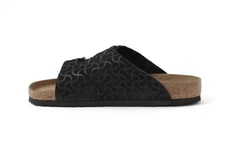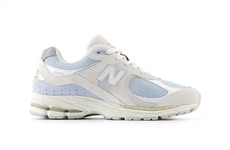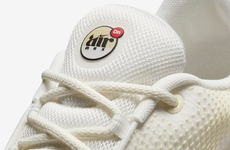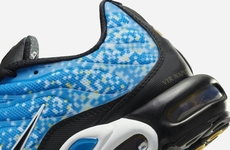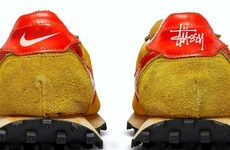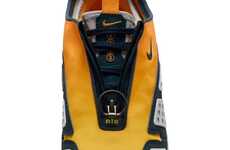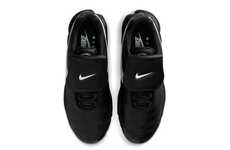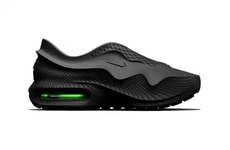
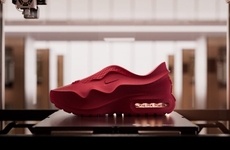
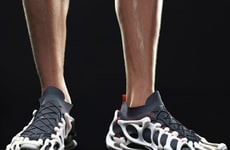
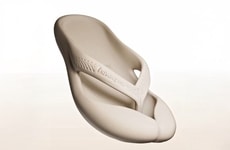
Mainstream footwear brands are incorporating 3D-printing into manufacturing
Trend - Mainstream footwear brands have begun integrating 3D printing into manufacturing, moving beyond niche startups. These products are built with additive processes spanning midsoles, uppers, and concept prototypes to differentiate products, accelerate prototyping, and improve sustainability.
Insight - Consumers increasingly demand personalized, high-performance footwear that reflects their individuality and tech-forward values. Growing sustainability awareness drives interest in on-demand, waste-reducing production. Meanwhile, intense market competition and shorter product cycles pressure brands to adopt agile additive methods. Within digital culture, buyers prize exclusivity, customization, and brand stories tied to advanced manufacturing.
Insight - Consumers increasingly demand personalized, high-performance footwear that reflects their individuality and tech-forward values. Growing sustainability awareness drives interest in on-demand, waste-reducing production. Meanwhile, intense market competition and shorter product cycles pressure brands to adopt agile additive methods. Within digital culture, buyers prize exclusivity, customization, and brand stories tied to advanced manufacturing.
Workshop Question - How can we leverage advanced manufacturing technologies, like 3D printing, to meet consumer demands for personalization, sustainability, and exclusivity in our product offerings?
Trend Themes
-
3d-printed Personalization — The rise of 3D-printed footwear signifies a shift towards personalized and bespoke design options, enabling consumers to own unique, one-of-a-kind products.
-
Sustainable Manufacturing — The incorporation of additive manufacturing methods promises increased sustainability by minimizing waste through precise material usage and on-demand production.
-
Tech-forward Footwear — Embedding advanced technology in footwear design showcases the merging of fashion with innovation, appealing to tech enthusiasts and trendsetters.
Industry Implications
-
Fashion and Apparel — Incorporating 3D-printing offers fashion brands the potential to redefine garment creation with rapid prototyping and unique design capabilities.
-
Consumer Electronics — 3D printing intersects with consumer electronics by enabling customizable, form-fitting tech accessories that align with user preferences.
-
Sustainable Goods — The sustainable goods sector is poised to benefit from 3D printing's ability to conduct environmentally friendly production and generate less waste.