Category
Tech
Desk Systems
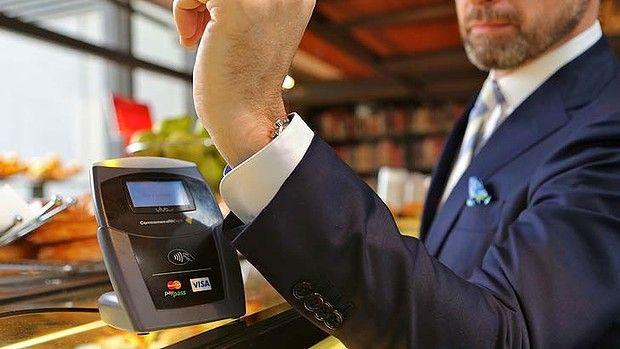
Methods of purchase are being integrated into fashion pieces for convenience.


Trend
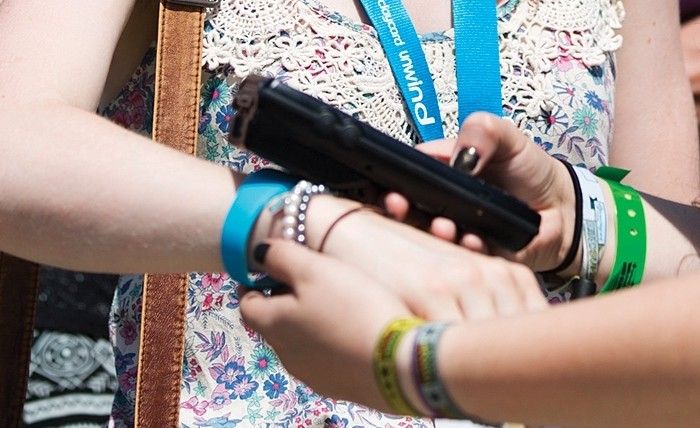
Wearable Payment: A desire for increased efficiency has consumers looking beyond their mobile devices toward more integrated forms of payment. Combining methods of purchase into fashion accessories and clothing pieces, these products offer a more adaptable and less strenuous method of routine shopping. This speaks to the future of technology as a catalyst for true convenience and a generally gadget-less existence.
Trend themes
The integration of payment systems in clothing and accessories offer a more adaptable and less strenuous method of routine shopping.
The future of smartwatch technology will go toward payment, making mobile payments even more accessible to the public.
The ability to make wearable payments in regular and fashionable clothing is becoming more appealing to consumers.
Industry implications
Clothing and accessory designers can incorporate payment systems into their products and help reduce the amount of cash transactions in the retail industry.
The integration of wearable technology, such as smartwatches, to payment systems will increase accessibility and convenience for mobile users.
The development of touch-less, integrated, and wearable payment systems offers a new market for FinTech companies.
Trend signals
Trend score 5.5 out of 10, from popularity 82%, activity 75%, freshness 8%.
Evidence
A New Payment Method is Being Developed Using Smartwatch Technology
As more consumers turn to mobile and wearable devices for payments, there is a huge opportunity for financial services companies to explore new payment technologies.
Adam Selman is Using Clothes and Accessories to Allow For Wearable Payment
Fashion brands and retailers can explore integrating wearable technology as a payment form, offering customers convenience and a new way to shop.
Barclaycard's Contactless Payment bPay Bands Will Reduce Cash Transactions
The financial services industry has the opportunity to develop and market more wearable payment devices like bPay bands.
The Power Suit Lets You Pay with the Wave of a Hand
Fashion industry players have an opportunity to integrate technology into their designs, as well as establish partnerships with payment providers and retailers.