Category
Eco
Format Utility
Brands accept waste as a payment for goods to reinforce positive perceptions.


What's Happening
Waste Currency: Consumers are becoming more aware of how their habits affect the environment, which a number of brands are taking in stride by accepting waste as a form of payment. This active push for recycling helps reinforce a positive image of the brand for consumers and align previously wasteful brands with eco-conscious customers.
Evidence
McDonald's Stockholm Lets Youth Trade in Bags of Recycled Cans For Burgers
Opportunity for fast-food restaurants to adopt creative marketing techniques that promote sustainability and cultivate social responsibility within young, eco-conscious target mar…
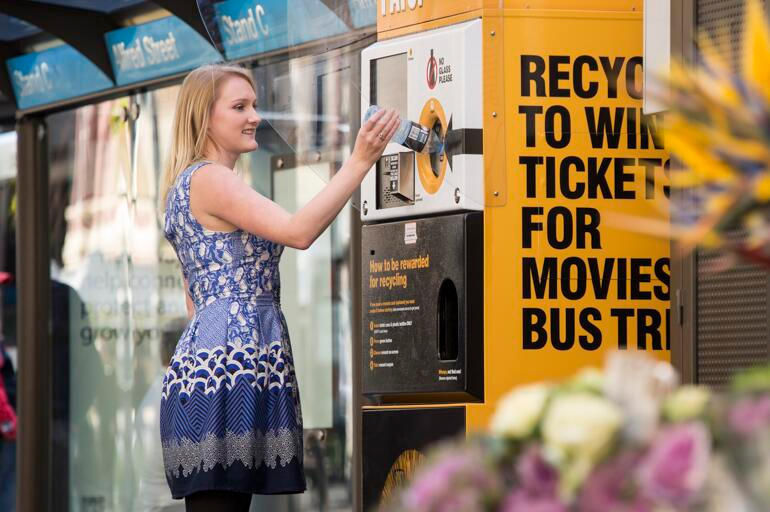
The Envirobank Recycling Machine Offers Prizes for Cleaning Litter
Disruptive innovation opportunity: Integrating incentivized recycling machines into the environmental services industry could enhance waste management practices and promote sustai…
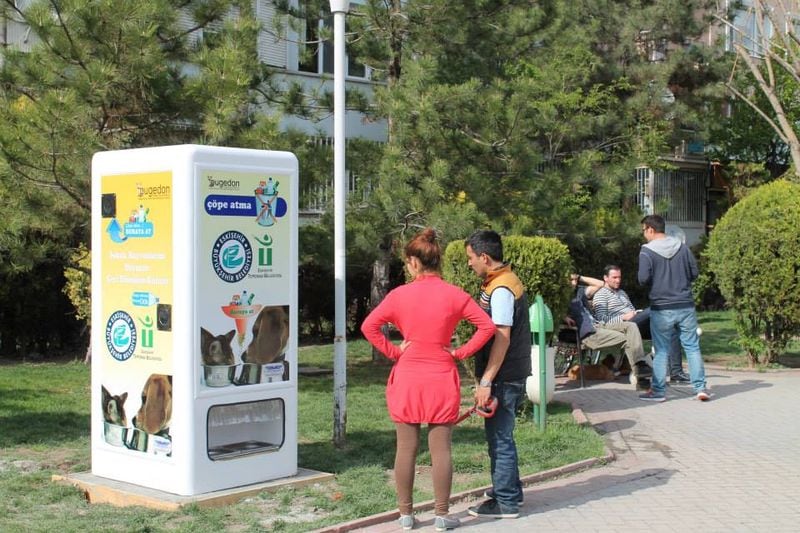
This Unique Pet Feeder Trades Recycled Items for Pet Food
The waste management industry can explore partnerships, technologies, and business models that incorporate recycling machines and pet feeders to promote sustainability and animal…
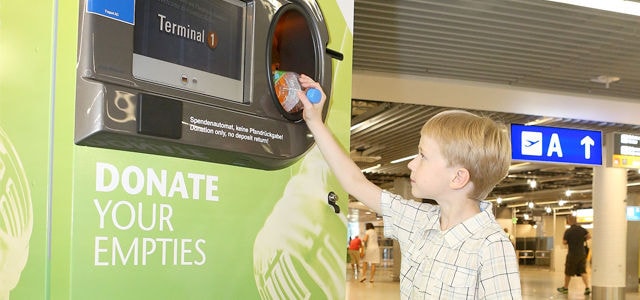
The Frankfurt Airport Recycling Bank Makes Giving Up Bottles Easier
Airport industries can benefit from incorporating innovative recycling systems that incentivize charitable donations and offer convenience to passengers.
The Methane Cafe is an Eco Cafe in Japan That Trades Trash for Tea
The food and beverage industry can embrace the trend of sustainable cafes by implementing energy-saving practices and repurposing food waste to create a more eco-friendly business.
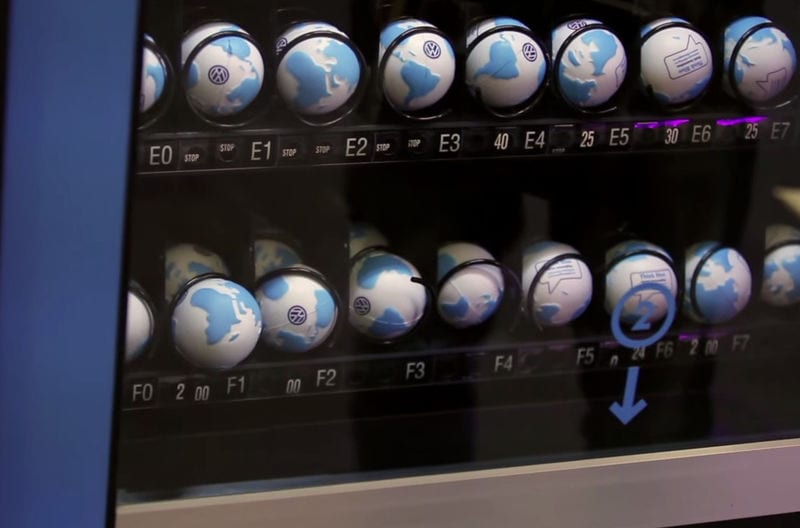
Volkswagen's Think Blue Vending Machine Accepts Old Batteries As Payment
Creating new and innovative ways to reduce carbon footprint and implement sustainable practices within the automobile industry.

Target's NextWorth Program Rewards Consumers with Gift Cards
Opportunity to launch trade-in programs for electronics and incentivize consumers to shop at retail stores.
Trend themes
Brands are accepting waste as payment to reinforce positive perceptions and align previously wasteful brands with eco-conscious customers.
Incentives like prizes or pet food encourage people to recycle and can be implemented in public spaces and events.
Incentives like Target's NextWorth trade-in program incentivises consumers to trade in old electronics, while also maintaining business for the brand.
Industry implications
Incentivized recycling and reward programs like Target's NextWorth can keep customers engaging with brands.
The use of pet food in pet-feeding recycling bins like Pugedon's can help address the problem of stray animals, besides promoting recycling.
The collection of used batteries like in Volkswagen's Think Blue vending machine is an innovative, creative solution aimed for sustainability.
Trend signals
Trend score 5.3 out of 10, from popularity 87%, activity 64%, freshness 8%.