
Category
Eco
Ownership Ease
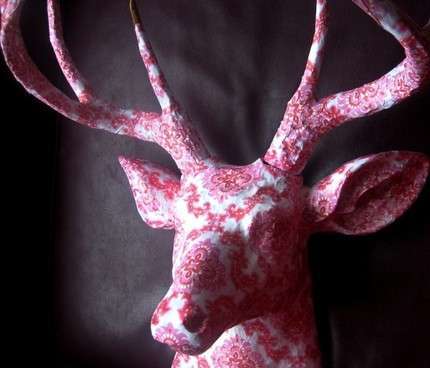
Hanging faux animal mounts as creative, yet cruelty-free wall decor.
What's Happening
Fake Taxidermy: Faux trophies are eclectic amalgamations of old world art and contemporary panache. Inspired by nature, they merge elements of modern creation and design, yet utilize no animal products. They mirror the taxidermy mounts that were popular decades ago, yet live up to the ethical standards demanded today.
Evidence
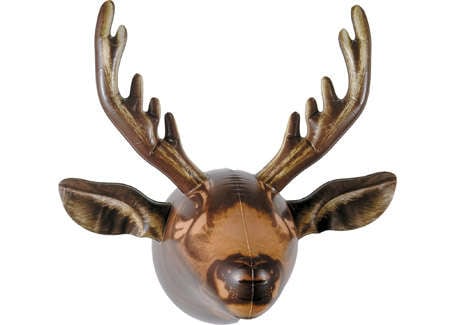
Blow-Up Moose Trophy
The home decor industry can leverage the trend towards faux taxidermy and humorous interior design with creative and affordable inflatable products.
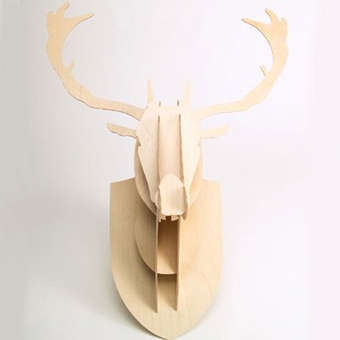
Vlaemsch Plywood Trophies
Opportunity to offer innovative and eco-friendly alternatives to traditional home decor and furnishings.
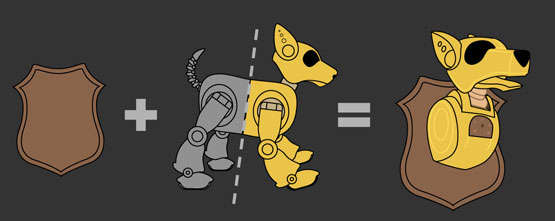
11 Robotic Hunting Trophies
Opportunity for disrupting the traditional taxidermy industry with lifelike robotic alternatives.
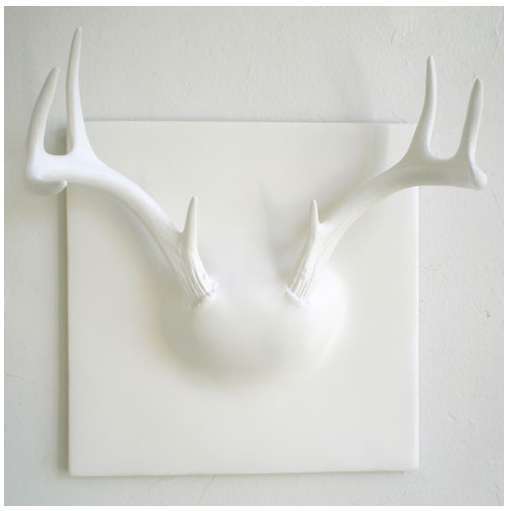
Ghost Antler Coat Rack
Disruptive innovation opportunity: Integrate sustainable and ethical designs into the home decor industry.
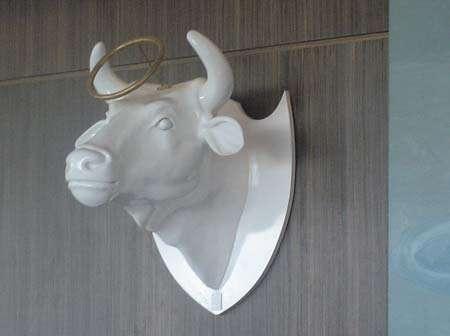
Casa Cor Synthetic Animal Heads
Innovating with eco-friendly and cruelty-free material alternatives for unique home decor pieces.
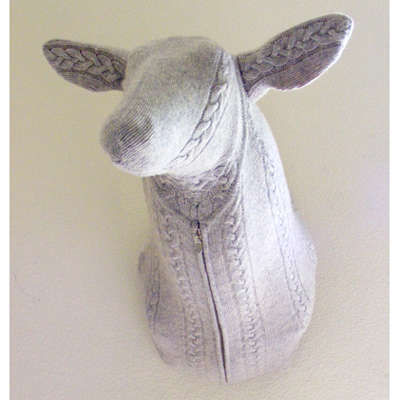
Rachel Denny's Zipper Buck
The textile industry can capitalize on the rising demand for knitted home decor items by creating innovative fabric designs and patterns to attract customers.
Trend themes
The trend of using faux taxidermy is becoming more popular as consumers seek to fulfill their need for home decor without harming any creatures.
The rise of ethical consumerism has led consumers to seek out products that do not involve animals, which presents an opportunity for companies to create ethically responsible products.
The eclectic nature of faux taxidermy is making it a popular choice for home decor as it combines elements of modern creation with old world art and design.
Industry implications
The home decor industry can tap into the trend of using faux taxidermy as a cruelty-free alternative for animal-inspired home decor.
Manufacturers can cater to ethical consumers by creating products that are both fully functional and do not involve animals.
The eclectic nature of faux taxidermy presents an opportunity for artists and designers to explore the combination of old world art and contemporary design in their works.
Trend signals
Trend score 5.0 out of 10, from popularity 71%, activity 73%, freshness 8%.