



Category
Lifestyle
Assisted Choices
Ecommerce shops prioritize waste-reduction when shipping out goods.

Trend
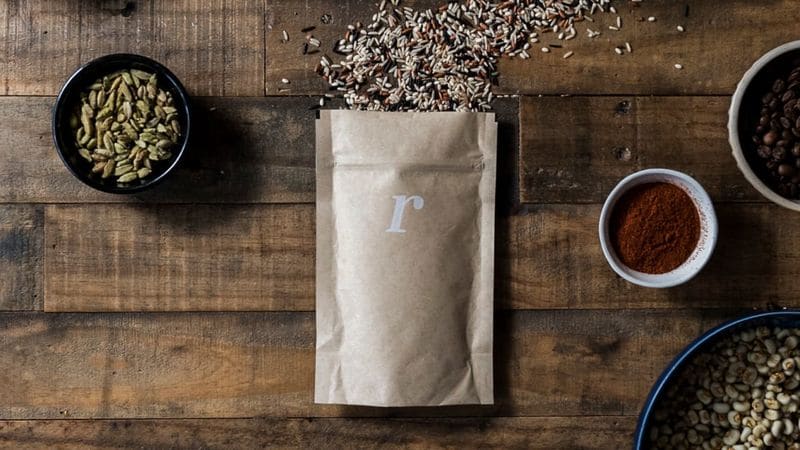
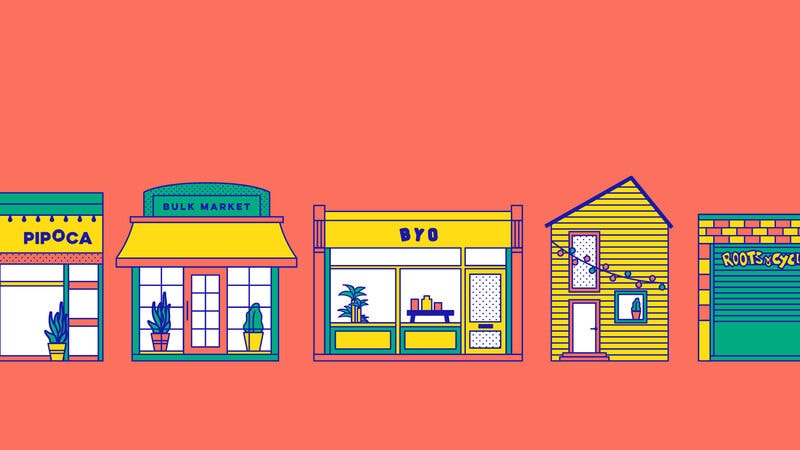
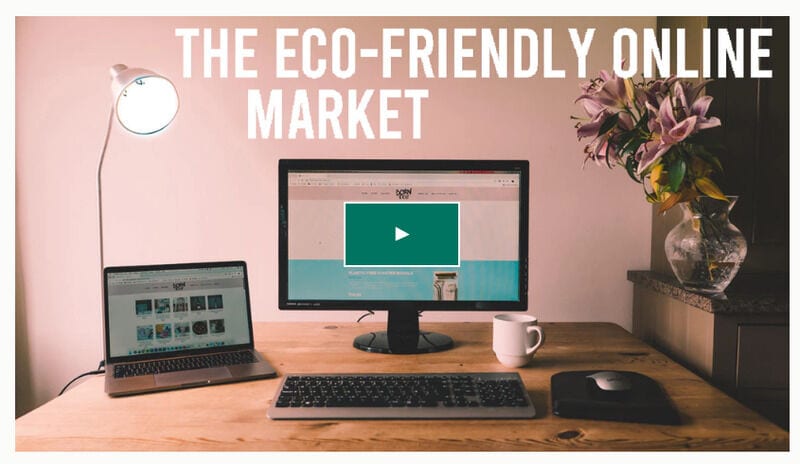
Waste-Free D2C: The explosion of ecommerce in recent years has negatively impacted global waste–in large part due to the throwaway packaging that's shipped around the world daily. To mitigate this concern, some small online retailers are prioritizing waste-free or reduced-waste packaging.
Insight
One of the major concerns that consumers have about the growth of ecommerce is the excess waste that goes into packaging. With consumers now wanting to feel less responsible for their impact on the environment, they're seeking out brands that facilitate environmentally conscious purchase habits–and waste-reduction is a key part of that process.
Trend themes
The adoption of eco-friendly packaging is increasing as a solution to reduce waste in the ecommerce industry.
Consumers are increasingly looking for environmentally-friendly products and services, creating a niche for businesses that offer sustainable and zero-waste products.
The rise of digital-first and direct-to-consumer models allow companies to create eco-friendly, sustainable products and provide a cost-effective, convenient and sustainable way of selling to consumers.
Industry implications
Ecommerce companies can drive innovation and boost customer loyalty by incorporating eco-friendly packaging into their products and processes.
Companies selling sustainable, natural and organic products can leverage their eco-friendly approach to appeal to conscious consumers and stand out in a saturated market.
As consumers become more environmentally conscious, industries of all kinds can respond to these changes and create innovative, sustainable products and services.
Workshop question
Trend signals
Trend score 5.6 out of 10, from popularity 86%, activity 74%, freshness 8%.
Evidence
Rise Mrkt Sells Kitchen Staples in Compostable Containers
Online grocery stores can reduce waste and attract environmentally-conscious consumers by offering plastic-free and compostable packaging options.
Nice and Serious Points Londoners to Their Local Zero-Waste Shops
Online zero-waste shops like the 'Useless' platform create new opportunities for businesses to enter the eco-friendly retail market and provide consumers with sustainable alternat…
Grove Collaborative's HONU Shares Descriptive, Online-Only Supplements
Opportunity for health and wellness brands to expand their product offerings by entering the dietary supplement market with digital-first solutions.
Borno-Eco is an Online Market Place for Sustainable Products
Creating an online e-commerce marketplace that promotes and sells sustainable products exclusively in various industries such as fashion, food & beverage, beauty, etc.






