
Category
Fashion
Smile Cosmetics
Robots are enhanced to play a greater role in childrens' development.
Trend
Robotic Education: Reflective of how customizable and interactive robots have become, more and more education-focused models are being developed and implemented. Offering a more interactive and engaging update to educational tech, this shift has huge implications in terms of the future of teaching, particularly with respect to the role of teachers.
Trend themes
Robots designed for education offer students a more interactive and engaging way of learning by providing customizable and interactive models.
Robots facilitate personalized teaching by allowing students to work at their own pace and by providing them with a range of teaching styles and opportunities.
Robotic toys provide children with a range of educational and play-based experiences that allow them to develop their creativity and problem-solving skills.
Industry implications
Education professionals can use interactive robots to enhance teaching and personalized learning.
Toy manufacturers can incorporate robotics into their products, providing children with new educational and play-based options.
Healthcare professionals can use robots to help support children on the autism spectrum and improve emotional intelligence through interactive storytelling.
Trend signals
Trend score 4.0 out of 10, from popularity 66%, activity 46%, freshness 8%.
Evidence
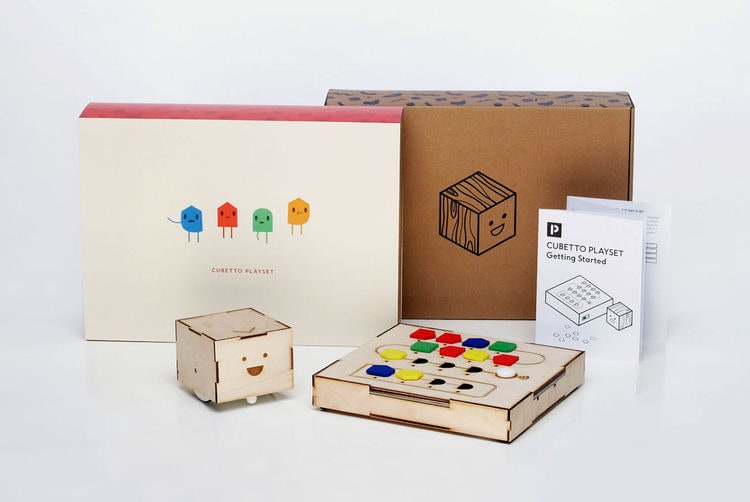
Cubetto Introduces Programming Basics to Kids with a Robot
Cubetto fits into the educational toys industry, providing a unique approach to teaching kids about programming.
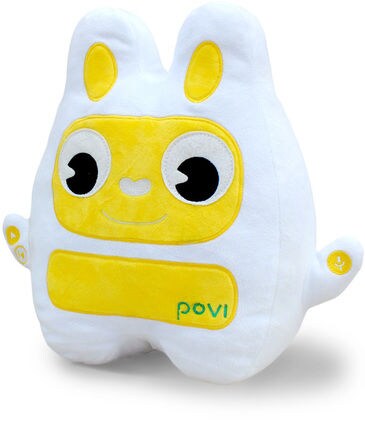
Povi is a Storytelling Toy That Sparks Thoughtful Conversations
Povi is a helpful tool for educators looking to teach emotional intelligence and communication skills to children.
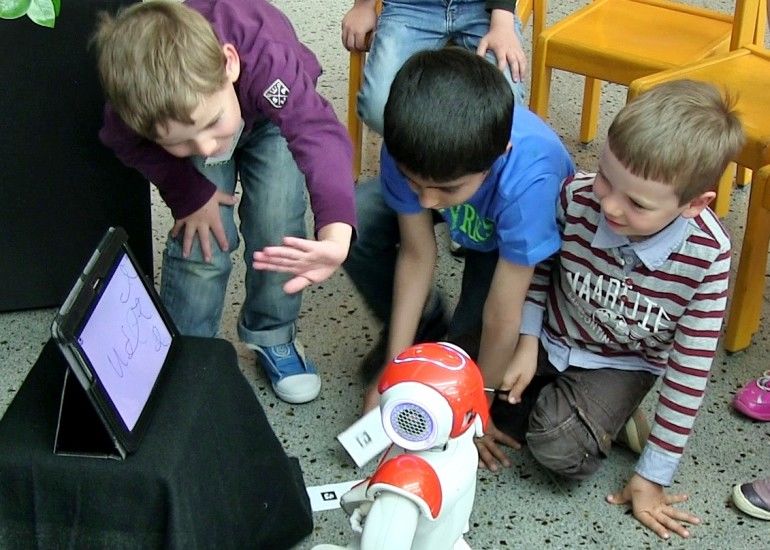
The Co-Writer Project Uses Robots to Help Children Learn to Write
Opportunities to integrate technology and robotics into teaching.
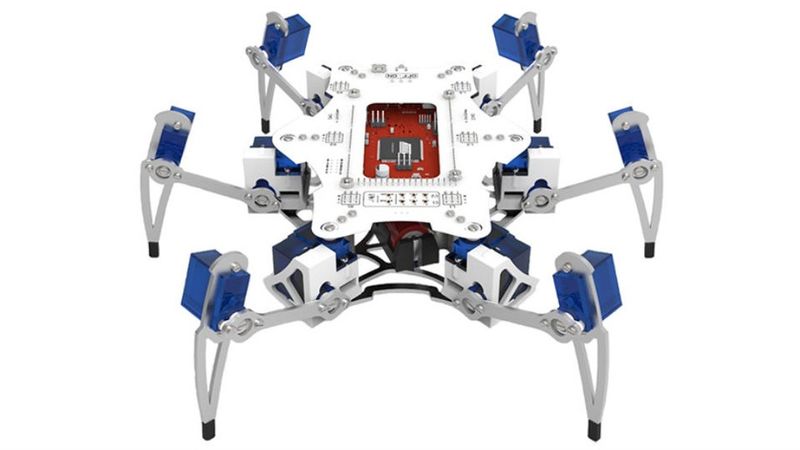
STEMI is a Six-Legged, Open Source Build-Your-Own Robot for Kids
The STEMI build-your-own robot kit offers disruptive innovation opportunities in the robotics industry, particularly in open source robotics.